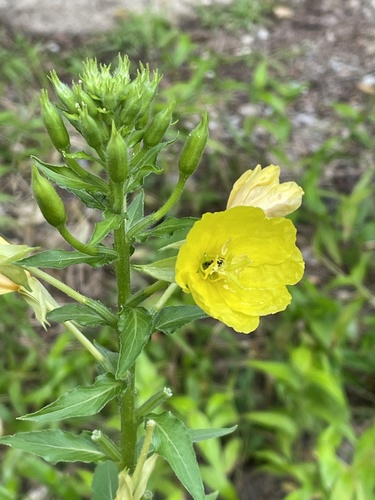
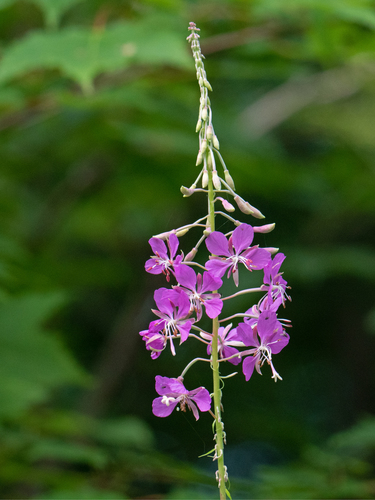
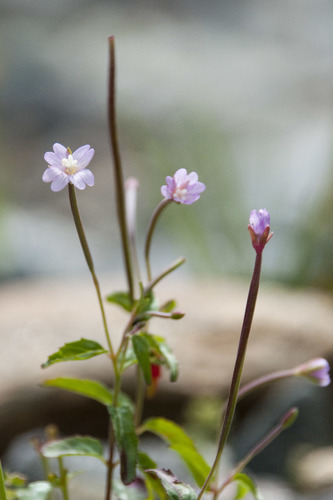
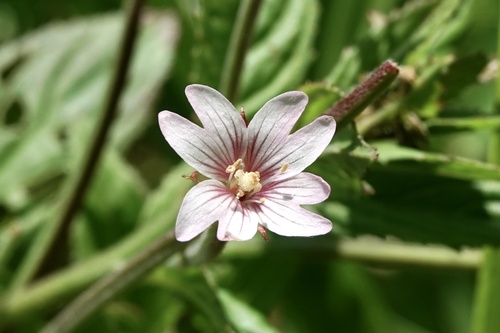
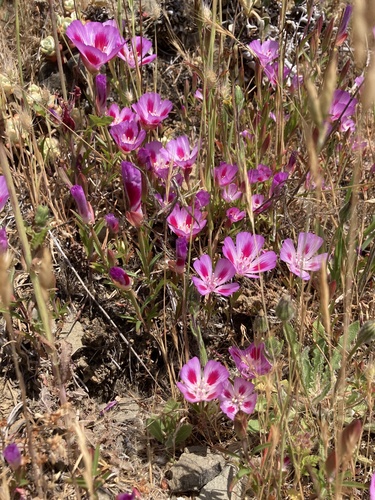
Godetia, Farewell-to-spring
clarkia amoena
Also known as: ["Godetia amoena","Farewell-to-spring"]
Overview
A vibrant annual wildflower native to western North America, known for its striking pink, rose, or white flowers.
Benefits & Perks
["long-flowering","wildlife attractant (bees, butterflies, birds)","low maintenance","edible fruits"]
Botanical Classification
| Phylum: | Magnoliophyta |
| Class: | Magnoliopsida |
| Order: | Myrtales |
| Family: | Onagraceae |
| Genus: | Clarkia |
| Botanical Name: | Clarkia amoena |
Plant Characteristics
Basic Information
- Category: Flowers
- Suitable Location: outdoor garden bed in a sunny, open area
- Suitable For:
- Is Weed: No
- Allergenicity: low
Environmental Needs
- Climate: {"temperatureRange":"5–30°C"}
- Hardiness: {"zones":"6–9"}
- Misting: rarely required, only if ambient humidity is very low
- Drainage: Fast-draining to prevent root rot.
- Soil Type: Well-draining, loamy soil with some organic matter; tolerates poor soils.
Maintenance Level
- Maintenance Level: low
- Toughness Level: moderate
- Pruning Frequency: As needed throughout the growing season; deadhead spent flowers weekly or bi-weekly.
- Pruning Intensity: Light pruning (removal of spent flowers and damaged foliage).
Care Details
Ideal Sunlight Coverage:
Full sun (6–8 hours of direct sunlight daily); tolerates partial shade in hot climates.
Sunlight Tolerance Tips:
Acclimate plants gradually to full sun if moved from shade; protect from intense midday sun in hot regions; ensure good air circulation to prevent mildew.
Care Requirements
Care Difficulty
easyeasy
Sunlight
full sun
Rotate plants for even growth; use shade cloth in extreme heat; avoid placing near reflective surfaces that intensify sunlight.
Watering
every 7–10 days during active growth, reduce in winter
Water thoroughly but infrequently; ensure good drainage; avoid overhead watering to prevent fungal issues.
Soil
well-draining, sandy loam with moderate organic matter
pH: Slightly acidic to neutral (pH 6.0–7.0).
Ensure good drainage; amend with organic matter if soil is poor; avoid overwatering.
Temperature
Cool to moderate temperatures (60–75°F or 15–24°C); prefers cooler conditions during germination and growth.
Avoid sudden temperature fluctuations; protect from frost; provide shade in extreme heat.
Fertilizing
every 4–6 weeks during growing season
Apply fertilizer after watering to prevent root burn; stop fertilizing when plants are dormant; use organic options for gentle feeding.
Propagation
Methods
Seed propagation; direct sow in fall or early spring for best results.
Step-by-Step Propagation Guide
- Sow seeds shallowly, cover lightly, keep moist, and thin seedlings as they grow.
Best Time: Fall or early spring when temperatures are cool and moist.
Environment
Cool temperatures (60–65°F or 15–18°C), consistent moisture, and indirect light.
Medium
Well-draining seed starting mix or sandy loam.
Hormone
Not required for seeds.
Timeline
Germination in 7–14 days; plants reach flowering size in 2–3 months.
Tools Needed
Seed trays, well-draining soil, watering can, labels.
Quick Tips
Sow seeds in groups for natural look; thin seedlings to prevent overcrowding; keep soil consistently moist but not waterlogged.
Pruning & Repotting
Pruning Guide
Method
Snip spent flowers just above a leaf node or lateral bud to promote new blooms.
Pruning Plan
Minimal pruning needed; focus on deadheading to encourage continuous blooming.
Tools
Hand pruners or sharp scissors.
Checklist
Deadhead regularly; remove damaged leaves; clean tools after use; avoid cutting into healthy stems.
Repotting Guide
Best Season
N/A (grown as an annual).
Pot Size
N/A (grown as an annual).
Method
N/A (grown as an annual).
Suggestions
Clarkia amoena is typically grown as an annual and does not require repotting; focus on proper planting in the garden or container at the start.
Checklist
N/A (grown as an annual).
Advanced Care Tips
Watering Mastery
Watering Checklist
Check soil moisture before watering; water deeply; ensure drainage; avoid wetting leaves.
How to Apply Water Properly
Water at the base of the plant, ensuring moisture reaches the root zone; allow excess water to drain away; water in the morning to minimize evaporation and fungal growth.
Watering Schedule Tips
Water deeply once the soil surface is dry to the touch; reduce frequency in winter to prevent root rot.
Soil Improvement
Add compost or well-rotted manure for fertility; mix in sand or perlite for drainage; avoid heavy clay soils.
Temperature Stress Management
Signs of Temperature Issues
Wilting, yellowing leaves, stunted growth, or failure to flower in extreme heat or cold.
Cold Stress
Slows growth, may cause leaf damage or death in temperatures below 50°F (10°C); susceptible to frost.
Solution: Protect with a frost cloth or mulch; avoid planting in late fall or early spring in cold regions; choose sheltered locations.
Hot Stress
Leaf scorch, wilting, reduced flowering, and increased susceptibility to pests in temperatures above 85°F (29°C).
Solution: Provide afternoon shade; increase watering frequency; use mulch to retain soil moisture; improve air circulation.
Fertilizing Guide
Fertilizing Checklist
Use diluted fertilizer; apply during growing season; avoid winter feeding; water before fertilizing.
Fertilizing Method
Use a balanced, water-soluble fertilizer diluted to half strength every 4–6 weeks during active growth; avoid fertilizing in winter.
Common Problems & Solutions
Toxicity Warning
Cats
Non-toxicClarkia amoena is not known to be toxic to cats. There are no reported adverse effects from ingestion.
🌿 Toxic Parts:
⚡ Toxic If:
if eaten
Dogs
Non-toxicClarkia amoena is not known to be toxic to dogs. There are no reported adverse effects from ingestion.
🌿 Toxic Parts:
⚡ Toxic If:
if eaten
Humans
Non-toxicClarkia amoena is not known to have toxic effects on humans. It is generally considered safe for consumption in small quantities.
🌿 Toxic Parts:
⚡ Toxic If:
if eaten
Frequently Asked Questions
Q: How do I grow Clarkia amoena from seeds?
A: Sow seeds directly into well-drained soil in spring after the last frost, as they prefer cool weather and do not transplant well.
Q: Does Clarkia amoena attract pollinators?
A: Yes, it is highly attractive to bees, butterflies, and hummingbirds, making it an excellent choice for wildlife gardens.
Q: Is Clarkia amoena toxic to pets?
A: No, it is non-toxic to dogs and cats.
Quick Reference

| Family: | Onagraceae |
| Care: | easy |
| Light: | full sun |
| Water: | every 7–10 days during activ |
Get Expert Care Tips
Download the Plantious app for personalized care reminders and plant identification!
Google Play App Store