Common Duckweed
lemna minor
Also known as: ["duckweed","water lentil"]
Overview
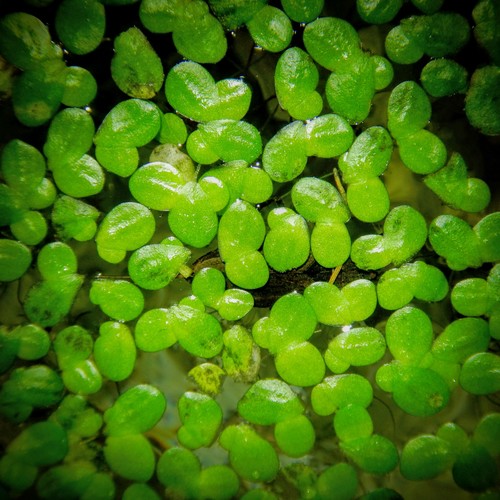
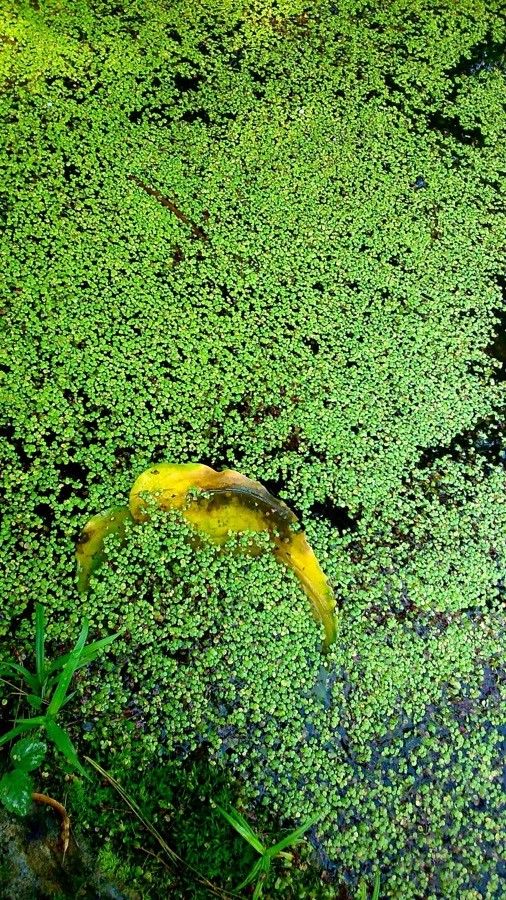
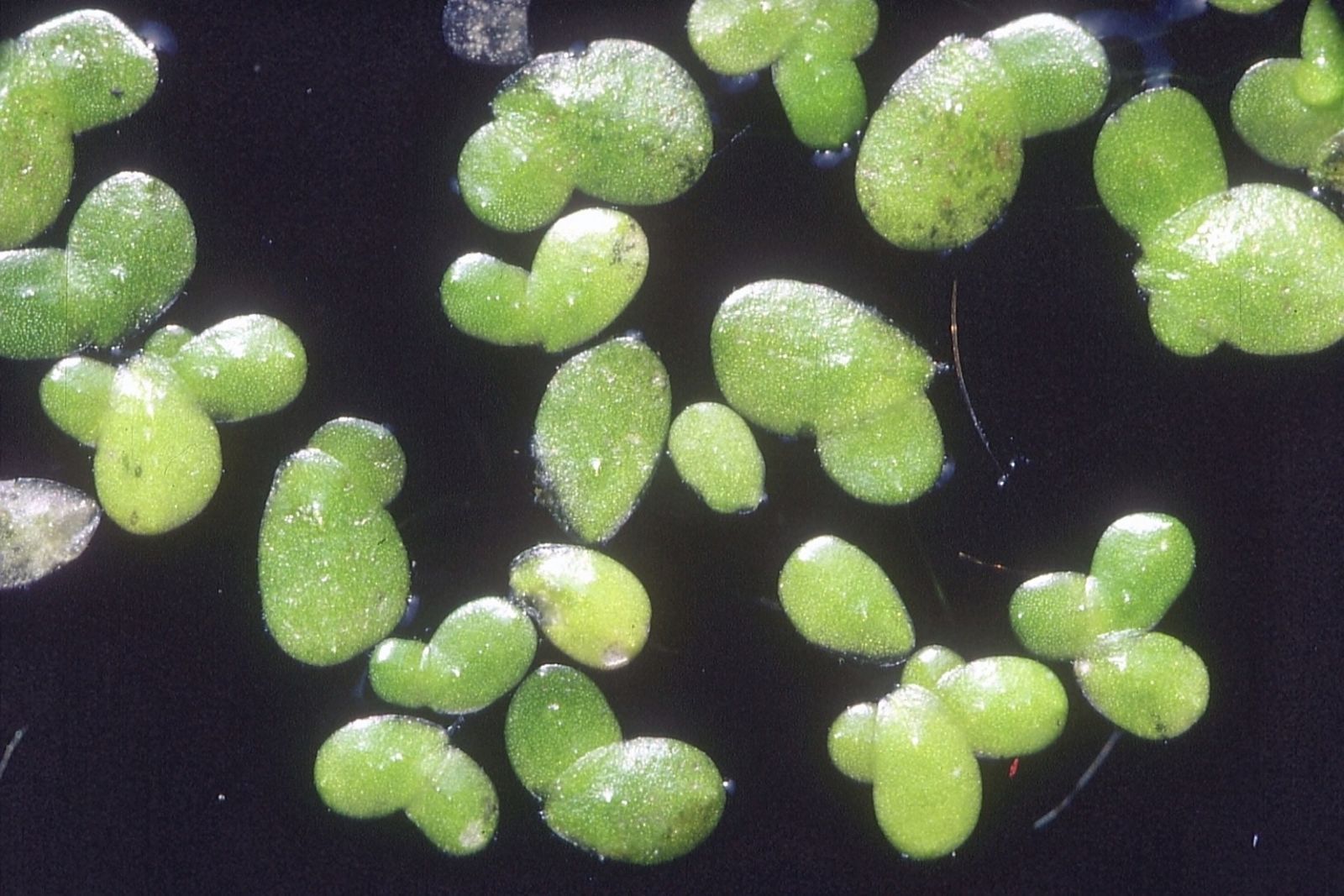
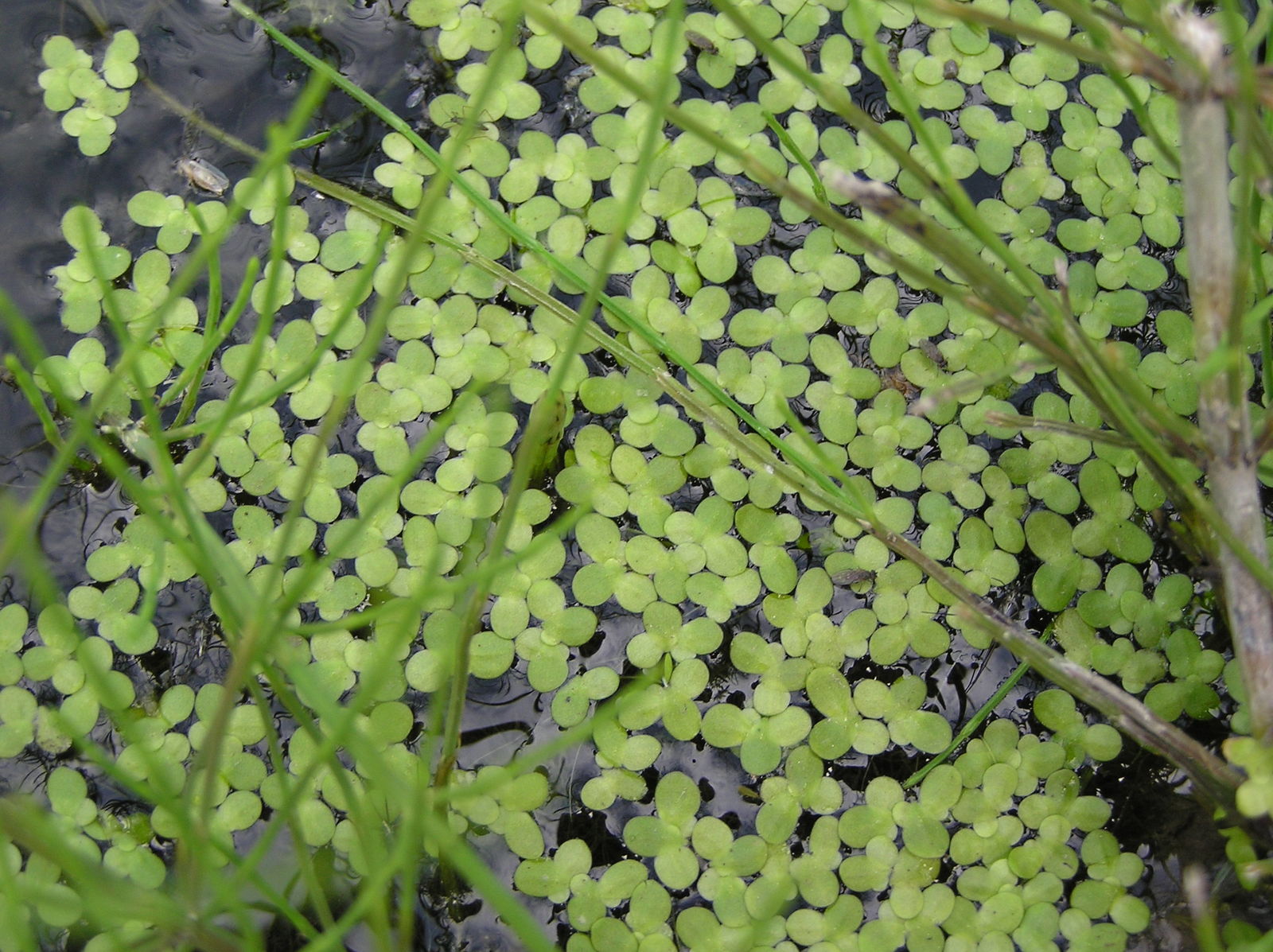
A small, free-floating aquatic plant with simple oval leaves that form dense mats on still water surfaces.
Benefits & Perks
["wildlife attractant (bees, butterflies, birds)","disease resistant","low maintenance","fast growing"]
Botanical Classification
| Phylum: | Magnoliophyta |
| Class: | Liliopsida |
| Order: | Alismatales |
| Family: | Araceae |
| Genus: | Lemna |
| Botanical Name: | Lemna minor |
Plant Characteristics
Basic Information
- Category: Herbs & Weeds
- Suitable Location: still or slow-moving freshwater ponds, lakes, or aquariums
- Suitable For:
- Is Weed: No
- Allergenicity: low
Environmental Needs
- Climate: {"temperatureRange":"10–30°C"}
- Hardiness: {"zones":"5–10"}
- Misting: N/A (grows in aquatic environment)
- Drainage: Not applicable, as drainage is not a concern for floating plants.
- Soil Type: Not applicable, as Lemna minor is a floating plant and does not require soil.
Maintenance Level
- Maintenance Level: very low
- Toughness Level: very high
- Pruning Frequency: As needed, typically every 2–4 weeks during peak growth.
- Pruning Intensity: Light to moderate thinning.
Care Details
Ideal Sunlight Coverage:
Bright indirect light for 4–6 hours per day. Can tolerate full sun but may require shading in intense heat to prevent overheating.
Sunlight Tolerance Tips:
Acclimate gradually to full sun if needed; avoid direct midday sun in hot climates; indoor placement near a bright window with filtered light is ideal.
Care Requirements
Care Difficulty
very easyeasy
Sunlight
full sun to partial shade
Avoid intense midday sun; provide shade in hot weather; rotate container for even growth.
Watering
N/A (grows in water)
Ensure continuous water coverage; avoid water stagnation; maintain clean water conditions.
Soil
N/A (grows on water surface)
pH: Not applicable, as Lemna minor does not require soil.
Not applicable, as Lemna minor does not require soil.
Temperature
Grows best in temperatures between 15–25°C (59–77°F). Can tolerate cooler temperatures but may slow growth below 10°C (50°F).
Monitor water temperature; avoid extreme fluctuations; protect from frost.
Fertilizing
N/A (absorbs nutrients from water)
Use liquid fertilizer; dilute well; avoid over-fertilization.
Propagation
Methods
Vegetative propagation through division of fronds. Lemna minor reproduces rapidly by forming daughter plants that detach from the parent.
Step-by-Step Propagation Guide
- Allow fronds to multiply naturally.
- Separate daughter plants when they are well-formed.
- Transfer to a new water body if needed.
Best Time: Any time during the growing season, but best in spring when growth is most vigorous.
Environment
Warm, well-lit, and still water environment with moderate humidity.
Medium
Water with a nutrient solution; no soil required.
Hormone
Not necessary for propagation.
Timeline
Daughter plants form within 1–2 weeks; mature plants in 4–6 weeks.
Tools Needed
Fine mesh net, containers, nutrient solution.
Quick Tips
Ensure clean water; provide adequate light; avoid overcrowding.
Pruning & Repotting
Pruning Guide
Method
Gently remove excess fronds using a fine mesh net or hands.
Pruning Plan
Lemna minor does not require traditional pruning. However, thinning may be necessary to prevent overcrowding and ensure adequate light penetration.
Tools
Fine mesh net, hands.
Checklist
Check for overcrowding; remove excess fronds; ensure even distribution.
Repotting Guide
Best Season
Not applicable, as repotting is not required.
Pot Size
Not applicable, as repotting is not required.
Method
Not applicable, as repotting is not required.
Suggestions
Lemna minor does not require repotting as it is a floating plant. If grown in a container, ensure the container is large enough to accommodate rapid growth.
Checklist
Not applicable, as repotting is not required.
Advanced Care Tips
Watering Mastery
Watering Checklist
Check water level daily; replace water weekly; ensure aeration; monitor for algae growth.
How to Apply Water Properly
Lemna minor does not require traditional watering as it lives in water. Ensure the water body is clean, well-aerated, and at a suitable temperature. If growing in a container, use dechlorinated water and replace it regularly.
Watering Schedule Tips
Lemna minor is a floating aquatic plant that requires constant immersion in water. Maintain a water level that keeps the plant fully submerged or floating on the surface. Water changes should be done every 1–2 weeks to prevent stagnation and nutrient depletion.
Soil Improvement
Not applicable, as Lemna minor does not require soil.
Temperature Stress Management
Signs of Temperature Issues
Yellowing leaves in cold; wilting or browning in excessive heat; stunted growth in temperature extremes.
Cold Stress
Low temperatures slow metabolic processes, leading to reduced growth and potential leaf discoloration.
Solution: Move to a warmer location; use a water heater in outdoor ponds; cover in frost-prone areas.
Hot Stress
Excessive heat can cause leaf burn, dehydration, and rapid water evaporation, stressing the plant.
Solution: Provide shade; increase water frequency; use a mister to cool the environment.
Fertilizing Guide
Fertilizing Checklist
Check nutrient levels; dilute fertilizer; apply during growing season; monitor for algae growth.
Fertilizing Method
Lemna minor typically does not require fertilization if grown in nutrient-rich water. If grown in a container, use a balanced liquid fertilizer diluted to quarter strength every 4–6 weeks during the growing season.
Common Problems & Solutions
Toxicity Warning
Cats
Non-toxicLemna minor is not toxic to cats. It does not pose a health risk when ingested in small quantities.
⚡ Toxic If:
Generally not applicable
Dogs
Non-toxicLemna minor is not toxic to dogs. It poses no significant health risks when ingested in small amounts.
⚡ Toxic If:
Generally not applicable
Humans
Non-toxicLemna minor, commonly known as duckweed, is not considered toxic to humans under normal circumstances. It is often used in aquatic ecosystems and has no known adverse effects on human health.
⚡ Toxic If:
Generally not applicable
Frequently Asked Questions
Q: Is Lemna minor toxic to pets?
A: No, Lemna minor is non-toxic to dogs and cats.
Q: How does Lemna minor reproduce?
A: It reproduces asexually by budding, where new plants grow from the parent plant and break off to form new colonies.
Q: Can Lemna minor be used in aquariums?
A: Yes, it is often used in aquariums and ponds to provide cover for fish and to help control algae growth.
Quick Reference
| Family: | Araceae |
| Care: | very easy |
| Light: | full sun to partial shade |
| Water: | N/A (grows in water) |
Get Expert Care Tips
Download the Plantious app for personalized care reminders and plant identification!
Google Play App Store