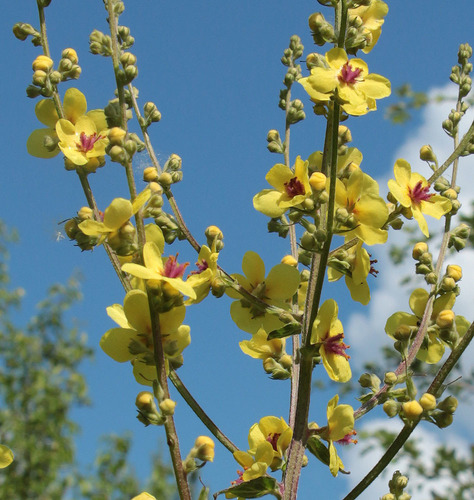
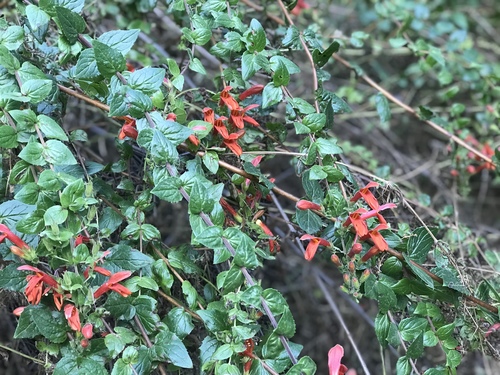
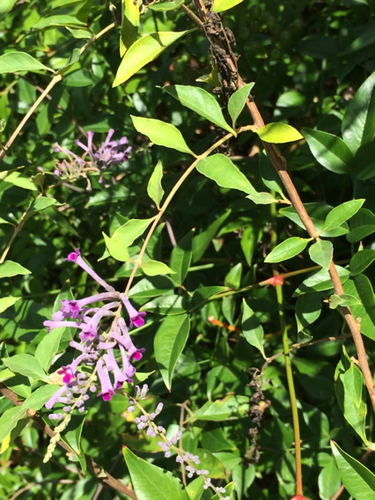
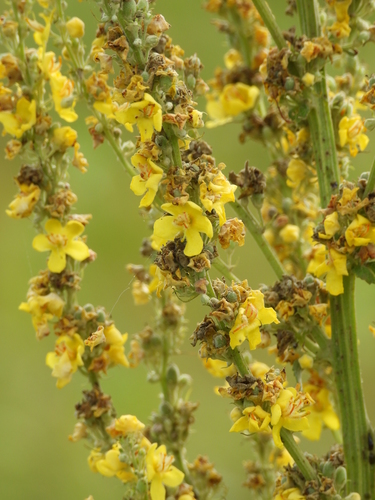
Dutchman's Breeches
lathraea clandestina
Also known as: ["Fairy Slipper","Bleeding Heart"]
Overview
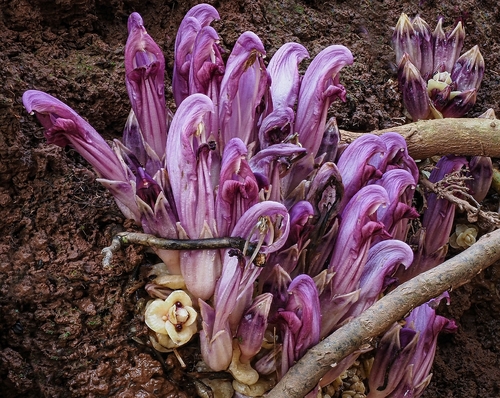
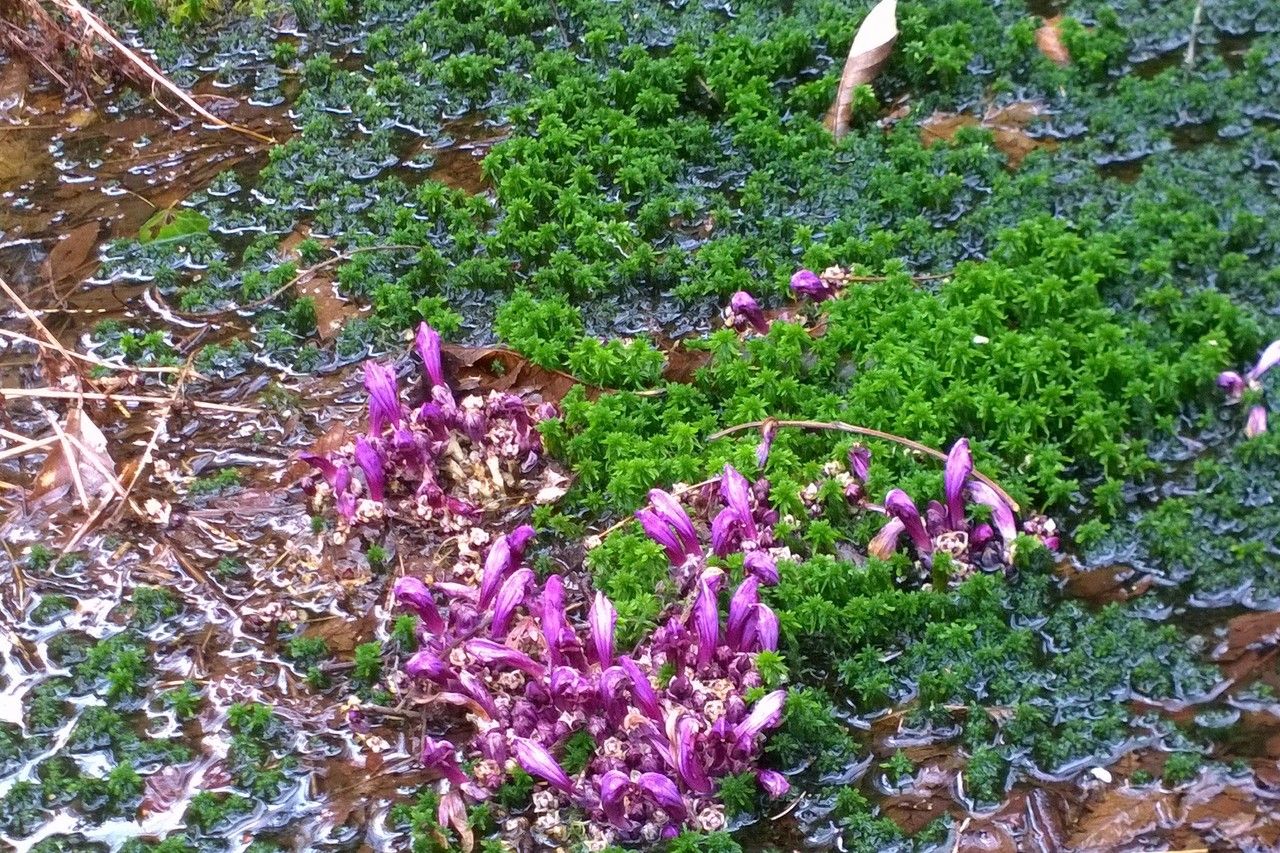
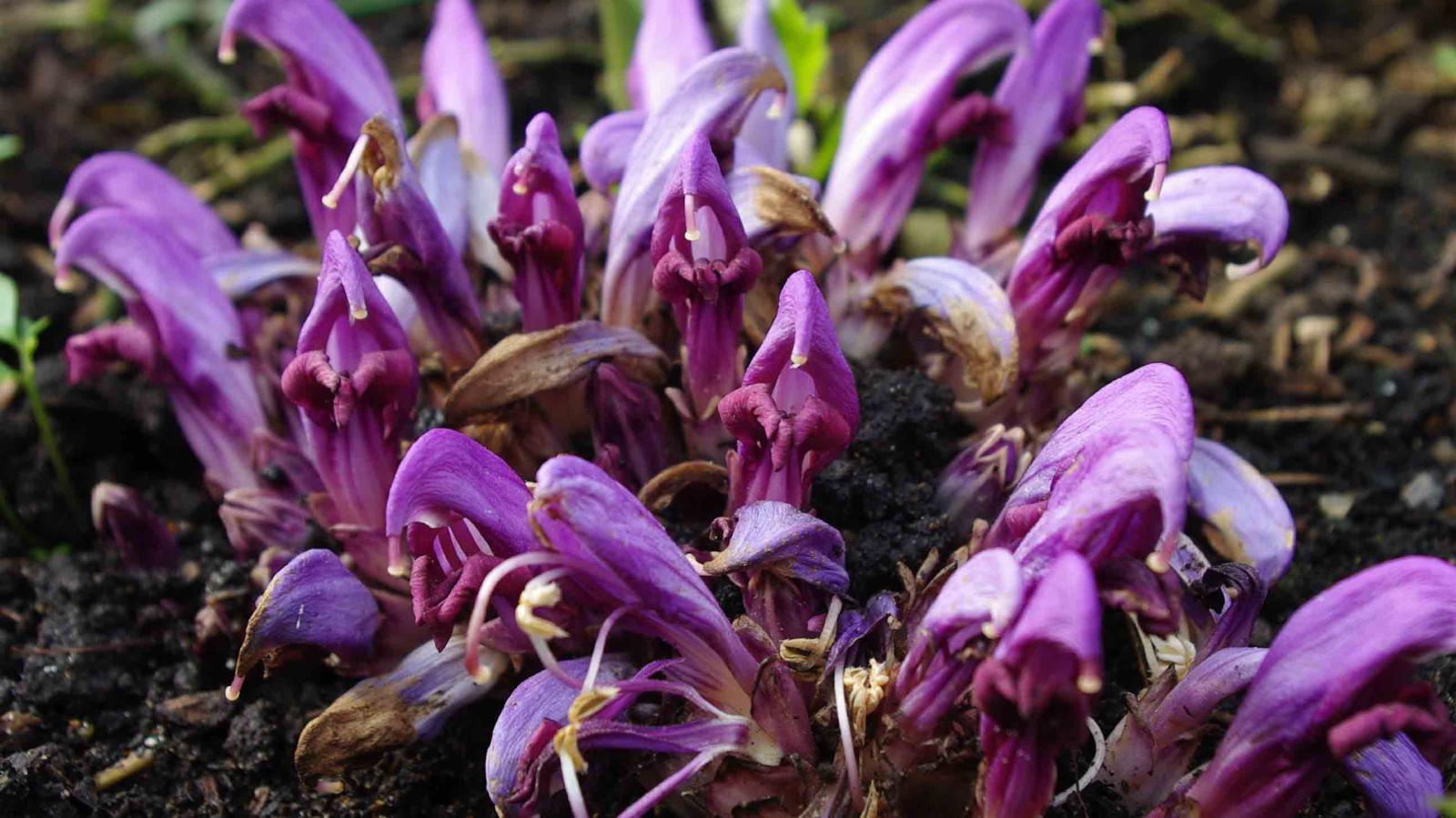
A parasitic flowering plant native to Europe, known for its unique pinkish-white flowers that resemble Dutchman's breeches.
Benefits & Perks
["fragrant flowers","wildlife attractant (bees, butterflies, birds)"]
Botanical Classification
| Phylum: | Magnoliophyta |
| Class: | Magnoliopsida |
| Order: | Lamiales |
| Family: | Scrophulariaceae |
| Genus: | Lathraea |
| Botanical Name: | Lathraea clandestina |
Plant Characteristics
Basic Information
- Category: Flowers
- Suitable Location: woodland garden or shaded border
- Suitable For:
- Is Weed: No
- Allergenicity: low
Environmental Needs
- Climate: {"temperatureRange":"0–25°C"}
- Hardiness: {"zones":"5–8"}
- Misting: not required
- Drainage: Moderately well-draining.
- Soil Type: Rich, moist but well-draining soil with organic matter.
Maintenance Level
- Maintenance Level: moderate
- Toughness Level: moderate
- Pruning Frequency: As needed after flowering.
- Pruning Intensity: Light.
Care Details
Ideal Sunlight Coverage:
Partial shade; 4–6 hours of indirect light, especially morning sun. Avoid intense afternoon sun.
Sunlight Tolerance Tips:
Acclimate gradually to outdoor light; protect from direct sun to prevent scorching; place in dappled shade outdoors.
Care Requirements
Care Difficulty
challengingmoderate
Sunlight
partial to full shade
Avoid direct afternoon sun; provide filtered light; rotate for even growth.
Watering
every 2–3 weeks during active growth, reduce in dormancy
Water deeply but infrequently; avoid waterlogged soil; adjust based on dormancy.
Soil
moist, humus-rich, slightly acidic soil
pH: Slightly acidic to neutral (pH 6.0–7.0).
Keep soil consistently moist; avoid waterlogging; enrich with organic matter.
Temperature
Cool to moderate temperatures (50–70°F or 10–21°C). Prefers cooler conditions during growth and warmer but not hot during dormancy.
Keep in cool environment during growth; protect from frost; avoid extreme heat.
Fertilizing
rarely required, if used then every 3 months during spring
Use weak fertilizer; avoid during dormancy; apply sparingly.
Propagation
Methods
Division of rhizomes or seed (challenging).
Step-by-Step Propagation Guide
- Divide rhizomes carefully.
- Plant 2–3 inches deep.
- Water lightly.
- Maintain humidity.
Best Time: Early spring when rhizomes are active.
Environment
Cool, humid conditions with indirect light.
Medium
Peat-based mix with perlite for division; seed requires cold stratification.
Hormone
Not typically needed for rhizome division.
Timeline
Rhizomes establish in 1–2 months; seeds may take 1–2 years to germinate.
Tools Needed
Sharp knife, gloves, small trowel.
Quick Tips
Divide when plant is dormant; ensure each section has buds; keep soil moist but not wet.
Pruning & Repotting
Pruning Guide
Method
Snip flower stalks at the base; no leaf pruning required.
Pruning Plan
Minimal pruning; remove spent flower stalks to maintain tidiness.
Tools
Hand pruners or sharp scissors.
Checklist
Remove dead flowers; clean tools; avoid cutting rhizomes.
Repotting Guide
Best Season
Early spring before active growth.
Pot Size
Use the same pot size unless overcrowding is severe.
Method
Gently lift rhizomes; divide if necessary; replant in fresh, well-draining soil.
Suggestions
Rarely needed; only if rhizomes become overcrowded.
Checklist
Check for overcrowding; divide if needed; use fresh soil; ensure good drainage.
Advanced Care Tips
Watering Mastery
Watering Checklist
Check soil moisture before watering; water deeply; ensure drainage; reduce in summer.
How to Apply Water Properly
Water at the root zone, ensuring even moisture without saturation. Water early in the day to minimize evaporation and fungal issues.
Watering Schedule Tips
Water sparingly, allowing soil to dry out between waterings. Reduce watering significantly during dormancy (summer).
Soil Improvement
Add compost or peat moss for moisture retention; mix sand for drainage.
Temperature Stress Management
Signs of Temperature Issues
Wilting, yellowing leaves, or stunted growth in excessive heat; rot or failure to emerge in cold.
Cold Stress
Low temperatures can inhibit growth and cause root rot if soil remains wet.
Solution: Ensure well-draining soil; protect from frost; reduce watering in cold periods.
Hot Stress
Excessive heat can cause leaf scorch, wilting, or premature dormancy.
Solution: Provide shade; increase humidity; water carefully to avoid heat stress.
Fertilizing Guide
Fertilizing Checklist
Use diluted fertilizer; apply in spring; avoid summer and dormancy.
Fertilizing Method
Minimal fertilization. Apply a diluted, balanced liquid fertilizer once in early spring if needed.
Common Problems & Solutions
Toxicity Warning
Cats
ToxicCats are also susceptible to the toxic effects of Lathraea clandestina. Ingestion can result in severe gastrointestinal and neurological symptoms, necessitating immediate veterinary care.
⚠️ Symptoms:
🌿 Toxic Parts:
⚡ Toxic If:
if eaten
Dogs
ToxicIn dogs, ingestion of Lathraea clandestina can lead to severe toxic effects, including gastrointestinal upset and potential neurological disturbances. The plant's toxins can cause significant discomfort and require prompt veterinary intervention.
⚠️ Symptoms:
🌿 Toxic Parts:
⚡ Toxic If:
if eaten
Humans
ToxicLathraea clandestina contains toxic compounds that can cause significant physiological distress upon ingestion. The plant's effects are primarily due to its irritant properties, which can lead to severe gastrointestinal and neurological symptoms.
⚠️ Symptoms:
🌿 Toxic Parts:
⚡ Toxic If:
if eaten
Frequently Asked Questions
Q: Is Lathraea clandestina toxic to pets?
A: Yes, it is toxic to both dogs and cats.
Q: How does Lathraea clandestina grow?
A: It is a parasitic plant that grows on the roots of other plants, particularly willows and poplars.
Q: What are the common problems with Lathraea clandestina?
A: Common issues include rotting and stunted growth.
Quick Reference


| Family: | Scrophulariaceae |
| Care: | challenging |
| Light: | partial to full shade |
| Water: | every 2–3 weeks during activ |
Get Expert Care Tips
Download the Plantious app for personalized care reminders and plant identification!
Google Play App Store