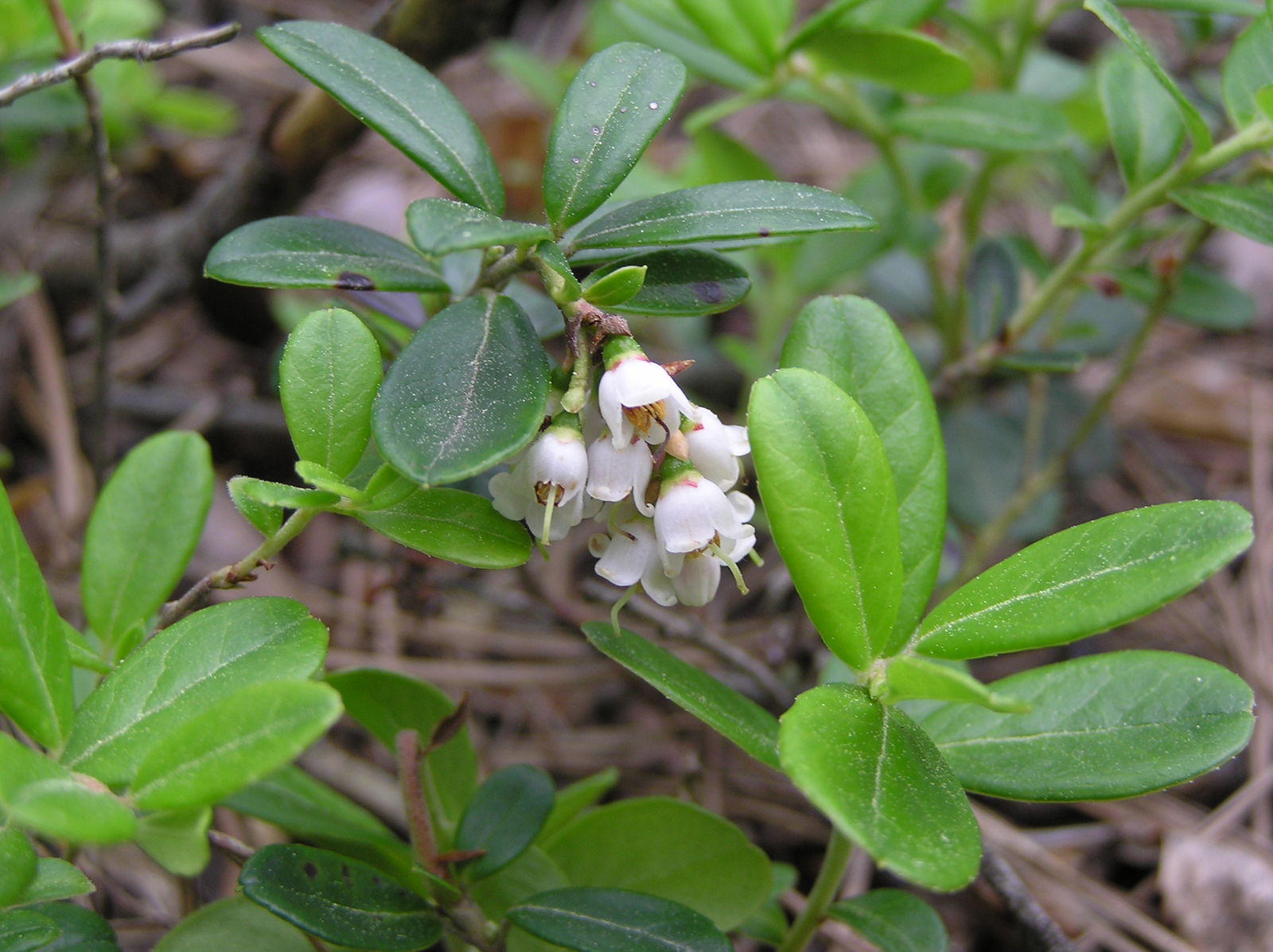
Lingonberry
vaccinium vitis-idaea
Also known as: ["Mountain Cranberry","Cowberry"]
Overview
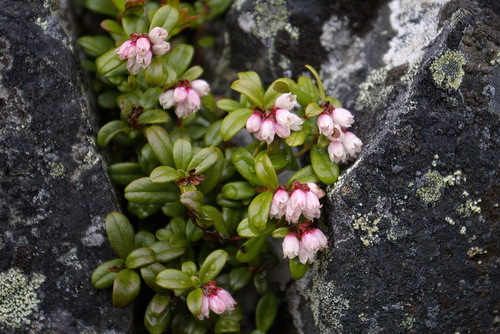
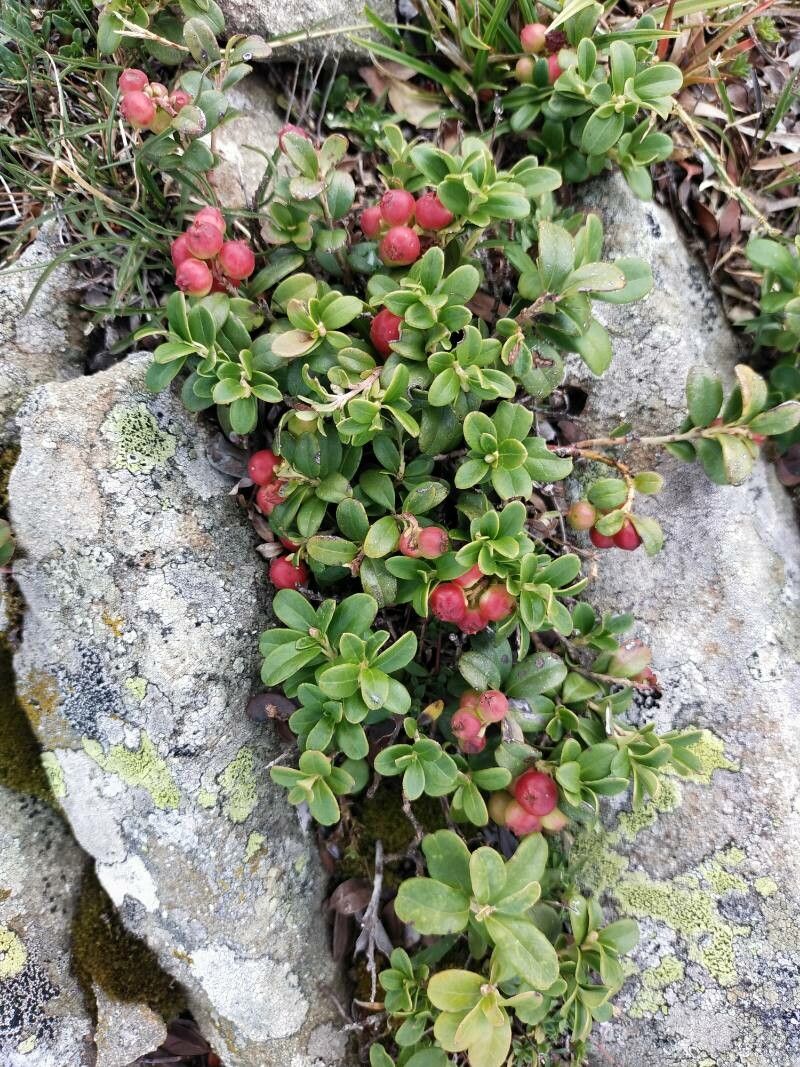
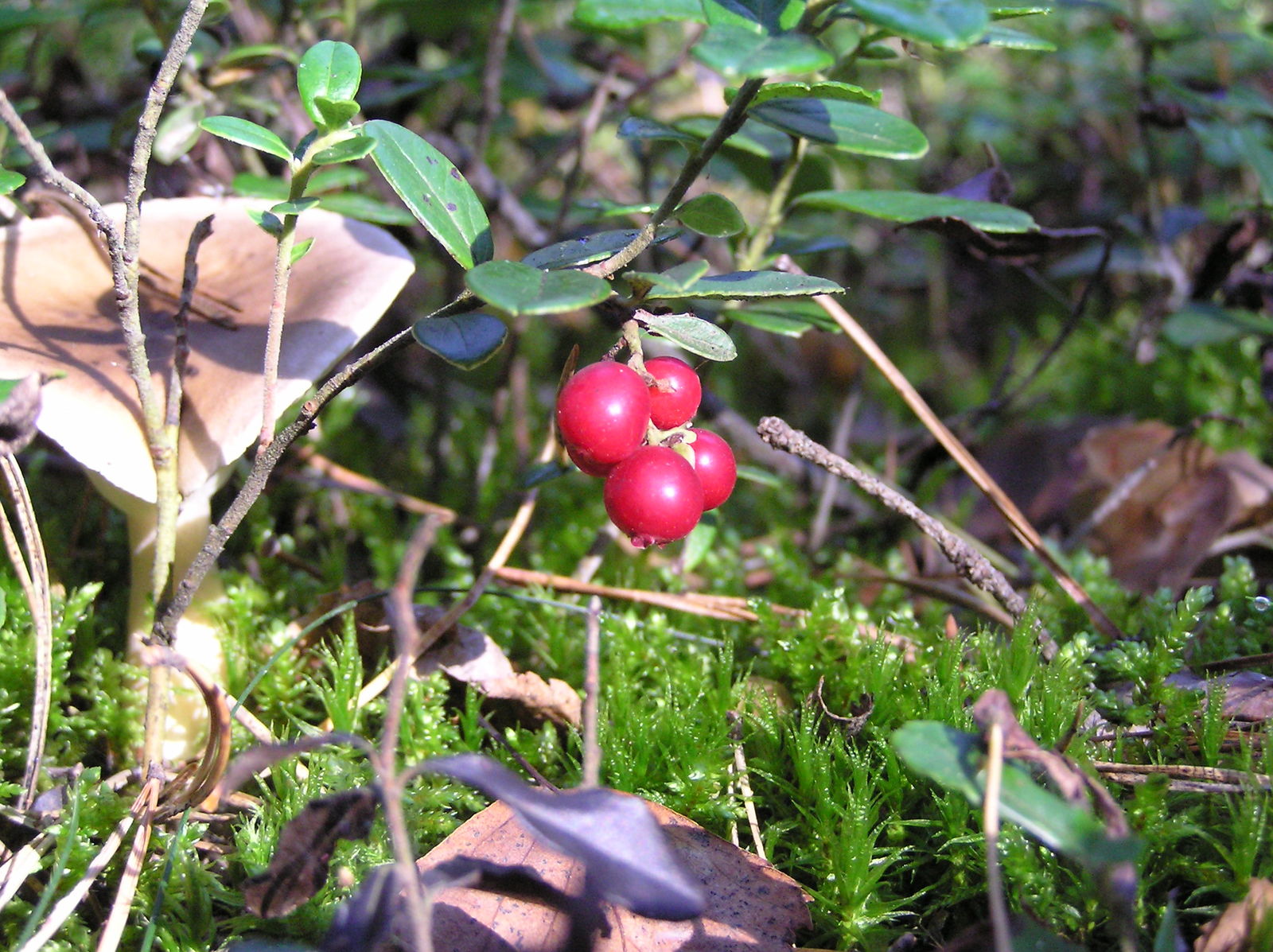
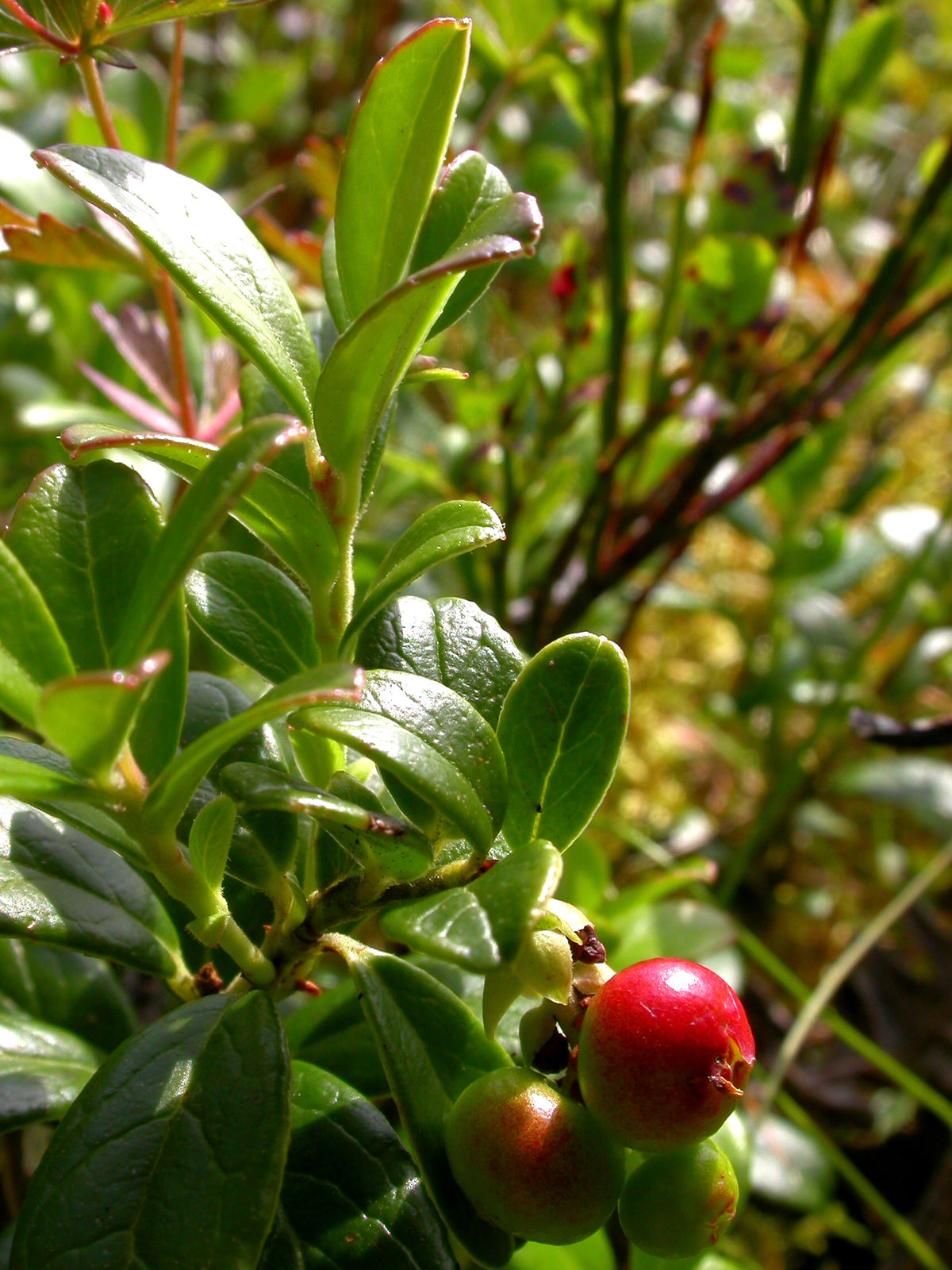
A low-growing evergreen shrub native to boreal and arctic regions, known for its tart red berries.
Benefits & Perks
["edible fruits","medicinal use","wildlife attractant (bees, butterflies, birds)","cold hardy","shade tolerant"]
Botanical Classification
| Phylum: | Magnoliophyta |
| Class: | Magnoliopsida |
| Order: | Ericales |
| Family: | Ericaceae |
| Genus: | Vaccinium |
| Botanical Name: | Vaccinium vitis-idaea |
Plant Characteristics
Basic Information
- Category: Fruits
- Suitable Location: acidic soil in cooler climates, often in woodland understories or raised beds
- Suitable For:
- Is Weed: No
- Allergenicity: low
Environmental Needs
- Climate: {"temperatureRange":"-40–30°C"}
- Hardiness: {"zones":"2–7"}
- Misting: rarely required, only if indoor air is very dry
- Drainage: Fast-draining to prevent root rot.
- Soil Type: Acidic, well-draining mix with high organic matter (e.g., peat moss, pine bark).
Maintenance Level
- Maintenance Level: moderate
- Toughness Level: moderate
- Pruning Frequency: Annually in late winter or early spring before new growth starts.
- Pruning Intensity: Moderate; remove up to one-third of old wood to encourage new growth.
Care Details
Ideal Sunlight Coverage:
Partial shade to full sun (4–6 hours of morning sun, filtered afternoon light preferred).
Sunlight Tolerance Tips:
Acclimate gradually to direct sun to avoid leaf burn. Protect from intense afternoon sun, especially in hot climates. Indoor placement should mimic dappled light conditions.
Care Requirements
Care Difficulty
moderatemoderate
Sunlight
partial shade to full shade
Use sheer curtains to filter light; rotate plant for even exposure; avoid direct midday sun.
Watering
every 7–10 days, allowing soil to dry slightly between waterings
Maintain moist but not waterlogged soil; water deeply to encourage root growth; adjust based on season and growth stage.
Soil
acidic, well-drained, peaty soil
pH: 4.5–5.5 (highly acidic).
Test soil pH annually; avoid lime-based amendments; ensure consistent moisture retention.
Temperature
Cool to cold temperatures (50–70°F or 10–21°C). Prefers cooler climates and can tolerate frost.
Avoid sudden temperature fluctuations; protect from late frosts; ensure good air circulation.
Fertilizing
every 4–6 weeks during spring and summer with a balanced, slow-release fertilizer
Fertilize sparingly to prevent nutrient burn; use acid-loving plant food; apply before new growth emerges.
Propagation
Methods
Stem cuttings or layering.
Step-by-Step Propagation Guide
- Select healthy stem.
- Cut below a node.
- Apply rooting hormone.
- Plant in medium.
- Maintain humidity.
- Wait for roots.
Best Time: Late spring to early summer when new growth is vigorous.
Environment
High humidity (70–90%), indirect light, and consistent temperatures (60–70°F or 15–21°C).
Medium
Peat-based mix with perlite or sand for good drainage.
Hormone
Rooting hormone is recommended for faster root development.
Timeline
4–8 weeks for roots to develop; 6–12 months to establish a mature plant.
Tools Needed
Pruning shears, rooting hormone, propagation tray, humidity dome, peat-based medium.
Quick Tips
Use softwood cuttings for best results; maintain consistent moisture; provide bottom heat if possible.
Pruning & Repotting
Pruning Guide
Method
Thinning cuts to open the canopy; heading cuts to control height.
Pruning Plan
Remove dead or diseased wood; shape the plant for better air circulation and light penetration.
Tools
Pruning shears, loppers, sterilizing solution.
Checklist
Sterilize tools; prune dead/diseased wood first; make clean cuts; dispose of clippings properly.
Repotting Guide
Best Season
Early spring before active growth begins.
Pot Size
Increase pot size by 2–3 inches in diameter.
Method
Remove plant gently; trim roots if necessary; repot in fresh, acidic soil mix with good drainage.
Suggestions
Repot every 2–3 years or when roots outgrow the container. Essential for maintaining soil health and growth.
Checklist
Choose appropriate pot; prepare new soil mix; water plant before repotting; handle roots carefully.
Advanced Care Tips
Watering Mastery
Watering Checklist
Check soil moisture daily; water deeply; ensure proper drainage; adjust for weather conditions.
How to Apply Water Properly
Water at the base of the plant, ensuring even moisture distribution. Avoid wetting foliage to prevent fungal diseases. Water early in the day to allow leaves to dry.
Watering Schedule Tips
Water consistently, allowing the top inch of soil to dry between waterings. Reduce frequency in winter to prevent root rot.
Soil Improvement
Add peat moss, pine needles, or sulfur to lower pH; incorporate perlite or sand for drainage.
Temperature Stress Management
Signs of Temperature Issues
Leaf drop, wilting, or browning edges in excessive heat; stunted growth or delayed flowering in cold stress.
Cold Stress
Slows metabolic processes, reduces nutrient uptake, and can cause leaf discoloration or dieback.
Solution: Mulch heavily to insulate roots; protect from harsh winds; avoid overwatering in cold conditions.
Hot Stress
Causes leaf scorch, wilting, and reduced fruit set due to excessive transpiration.
Solution: Provide shade during peak heat; increase humidity; water deeply and more frequently.
Fertilizing Guide
Fertilizing Checklist
Choose correct fertilizer type; follow dilution instructions; apply during active growth; avoid winter feeding.
Fertilizing Method
Use a balanced, slow-release fertilizer in early spring. Dilute liquid fertilizer to half-strength for monthly applications during growing season. Avoid fertilizing in winter.
Common Problems & Solutions
Toxicity Warning
Cats
Non-toxicLingonberries are not considered toxic to cats. The berries are safe for feline consumption in moderation.
⚡ Toxic If:
Generally non-toxic
Dogs
Non-toxicLingonberries are not considered toxic to dogs. The berries are safe for canine consumption in moderation.
⚡ Toxic If:
Generally non-toxic
Humans
Non-toxicVaccinium vitis-idaea, commonly known as lingonberry, is generally considered non-toxic to humans. The berries are edible and often used in culinary applications, such as jams, sauces, and beverages.
⚡ Toxic If:
Generally non-toxic
Frequently Asked Questions
Q: Are lingonberries safe for consumption?
A: Yes, lingonberries are non-toxic and commonly used in culinary dishes, jams, and preserves.
Q: How do I care for lingonberry plants?
A: Lingonberries thrive in acidic, well-drained soil with partial shade and require regular watering, especially during dry periods.
Q: Do lingonberries attract wildlife?
A: Yes, lingonberries are attractive to birds and other wildlife, which often feed on the berries.
Quick Reference
| Family: | Ericaceae |
| Care: | moderate |
| Light: | partial shade to full shade |
| Water: | every 7–10 days, allowing so |
Get Expert Care Tips
Download the Plantious app for personalized care reminders and plant identification!
Google Play App Store