Pink Quill Plant
tillandsia cyanea
Also known as: ["Pink Quill","Pink Quill Plant"]
Overview
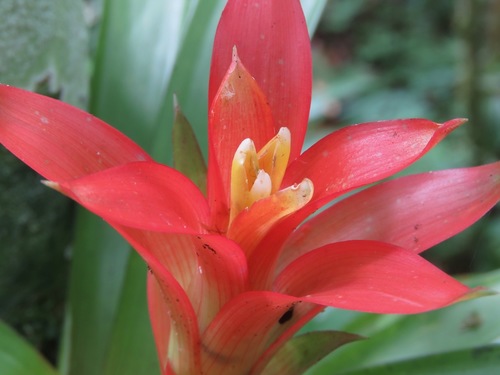
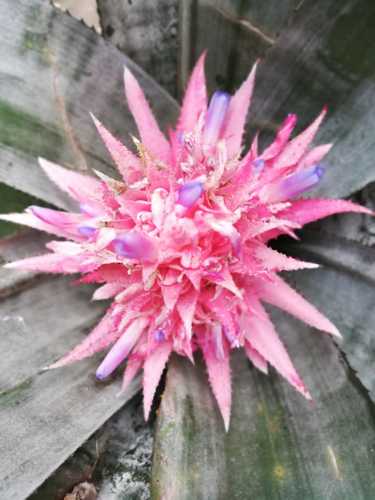
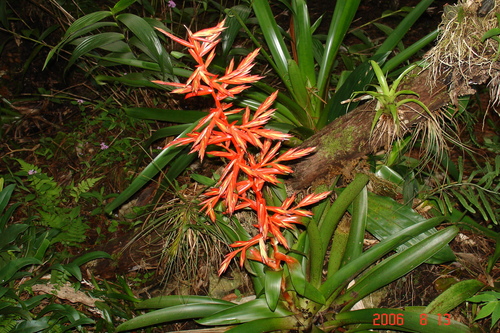
An epiphytic bromeliad native to Ecuador, known for its vibrant pink bracts and blue flowers.
Benefits & Perks
["long-flowering","aesthetic foliage","low maintenance"]
Botanical Classification
| Phylum: | Magnoliophyta |
| Class: | Liliopsida |
| Order: | Poales |
| Family: | Bromeliaceae |
| Genus: | Tillandsia |
| Botanical Name: | Tillandsia cyanea |
Plant Characteristics
Basic Information
- Category: Flowers
- Suitable Location: indoor setting with high humidity, such as a bathroom or kitchen
- Suitable For:
- Is Weed: No
- Allergenicity: low
Environmental Needs
- Climate: {"temperatureRange":"18–27°C"}
- Hardiness: {"zones":"11–12"}
- Misting: every 1–2 weeks to maintain humidity
- Drainage: Fast-draining to prevent root rot.
- Soil Type: Well-draining mix of orchid bark, perlite, and peat moss.
Maintenance Level
- Maintenance Level: moderate
- Toughness Level: moderate
- Pruning Frequency: As needed, typically every 6–12 months or after flowering.
- Pruning Intensity: Light to moderate, focusing on removing only dead or yellowing leaves.
Care Details
Ideal Sunlight Coverage:
Bright indirect light for 4–6 hours daily. Avoid direct sunlight, which can scorch leaves.
Sunlight Tolerance Tips:
Acclimate gradually to new light conditions. If indoors, place near an east or north window. Outdoors, provide dappled shade.
Care Requirements
Care Difficulty
moderateeasy
Sunlight
bright, indirect light
Rotate plant weekly; use sheer curtains to filter direct light; avoid south-facing windows in summer.
Watering
every 7–10 days by soaking in water for 20–30 minutes
Soak thoroughly, allow to dry completely between waterings, and avoid water in the central crown to prevent rot.
Soil
no soil required; mounted on bark or placed in a container with good air circulation
pH: Slightly acidic to neutral (pH 5.5–6.5).
Ensure pots have drainage holes; avoid compacted soil; refresh soil every 1–2 years.
Temperature
Ideal range 65–80°F (18–27°C). Tolerates brief dips to 50°F (10°C) but prefers warmth year-round.
Avoid drafty areas; maintain stable temperatures; use a humidifier in dry conditions.
Fertilizing
every 4–6 weeks during active growth with diluted bromeliad fertilizer
Dilute fertilizer well; apply after watering; flush soil occasionally to prevent buildup.
Propagation
Methods
By offsets (pups) that form at the base of the parent plant.
Step-by-Step Propagation Guide
- Separate pup from parent with a clean knife.
- Allow to dry for a day.
- Plant in moist medium.
- Water lightly.
Best Time: After the parent plant finishes flowering, when pups are at least one-third the parent's size.
Environment
Bright indirect light, high humidity (60–70%), and temperatures around 70–75°F (21–24°C).
Medium
Well-draining mix of orchid bark, perlite, and sphagnum moss.
Hormone
Not necessary for pups, but can use a mild rooting hormone for cuttings if needed.
Timeline
Pups can be separated and established in 1–2 months; flowering may take 1–2 years.
Tools Needed
Clean knife or scissors, small pots, propagation medium, misting bottle.
Quick Tips
Ensure pups have roots before separating; maintain humidity with a plastic bag if needed; avoid overwatering.
Pruning & Repotting
Pruning Guide
Method
Snip leaves at the base with clean, sharp scissors or pruners.
Pruning Plan
Remove dead or damaged leaves to maintain appearance and health. Prune after flowering to encourage pup growth.
Tools
Clean scissors or pruning shears, disinfectant (optional).
Checklist
Disinfect tools; prune dead leaves; avoid cutting healthy growth; clean up debris.
Repotting Guide
Best Season
Spring or early summer, during active growth.
Pot Size
One size up from current pot (e.g., +2–3 cm in diameter).
Method
Gently remove plant, trim roots if necessary, place in a slightly larger pot with fresh soil, and water lightly.
Suggestions
Repot only when pups are large enough to be separated or if the parent plant becomes root-bound.
Checklist
Choose appropriate pot; prepare fresh soil; handle roots gently; water lightly after repotting.
Advanced Care Tips
Watering Mastery
Watering Checklist
Soak duration; drying time; water temperature; water type
How to Apply Water Properly
Submerge the entire plant in room-temperature water, ensuring leaves are fully wet. Shake off excess water and place in a well-ventilated area to dry completely before returning to its spot.
Watering Schedule Tips
Water once every 7–10 days by soaking in water for 20–30 minutes, ensuring leaves are fully submerged. Adjust frequency based on humidity and temperature; reduce in winter.
Soil Improvement
Add perlite or coarse sand to improve drainage; incorporate organic matter like peat moss for moisture retention.
Temperature Stress Management
Signs of Temperature Issues
Brown leaf tips (cold), wilting or drooping (heat), or stunted growth.
Cold Stress
Slows metabolism, causes leaf discoloration, and increases susceptibility to rot.
Solution: Move to a warmer location, avoid drafts, and ensure proper drying between waterings.
Hot Stress
Leaves may curl, dry out, or develop brown spots due to excessive evaporation.
Solution: Increase humidity, provide shade, and water more frequently but still allow drying.
Fertilizing Guide
Fertilizing Checklist
Dilution ratio; frequency; season; flush soil periodically
Fertilizing Method
Use a balanced liquid fertilizer diluted to ¼ strength every 4–6 weeks during growing season (spring/summer). Avoid fertilizing in winter.
Common Problems & Solutions
Toxicity Warning
Cats
Non-toxicTillandsia cyanea is not known to be toxic to cats. It does not pose a significant risk if ingested by felines.
⚠️ Symptoms:
🌿 Toxic Parts:
⚡ Toxic If:
if eaten
Dogs
Non-toxicTillandsia cyanea is not known to be toxic to dogs. It does not pose a significant risk if ingested by canines.
⚠️ Symptoms:
🌿 Toxic Parts:
⚡ Toxic If:
if eaten
Humans
Non-toxicTillandsia cyanea is not known to have toxic effects on humans. It is generally considered safe for handling and consumption, though ingestion is not recommended.
⚠️ Symptoms:
🌿 Toxic Parts:
⚡ Toxic If:
if eaten
Frequently Asked Questions
Q: How often should I water Tillandsia cyanea?
A: Mist it 2-3 times a week or soak it in water for 30 minutes every 2-3 weeks.
Q: Does this plant need direct sunlight?
A: No, it prefers bright, indirect light.
Q: Why are the leaves turning yellow?
A: This may indicate overwatering or insufficient light.
Quick Reference
| Family: | Bromeliaceae |
| Care: | moderate |
| Light: | bright, indirect light |
| Water: | every 7–10 days by soaking i |
Get Expert Care Tips
Download the Plantious app for personalized care reminders and plant identification!
Google Play App Store