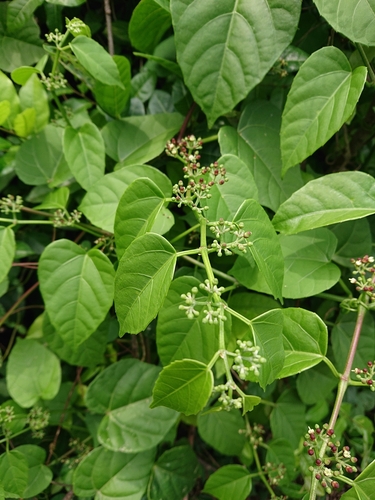
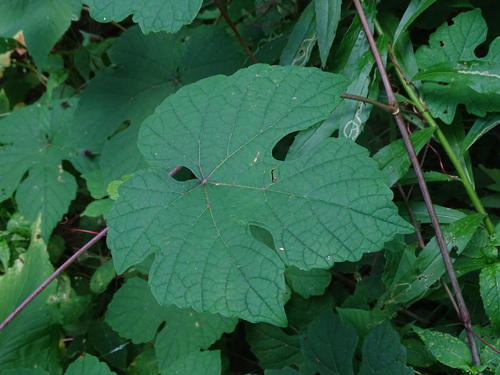
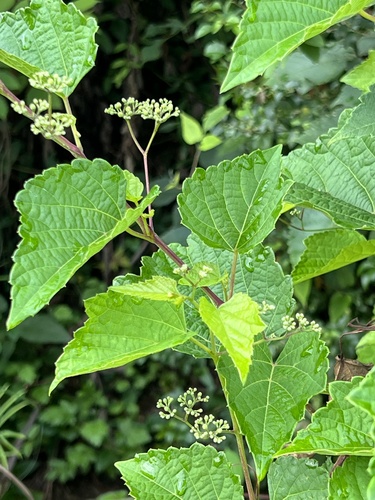
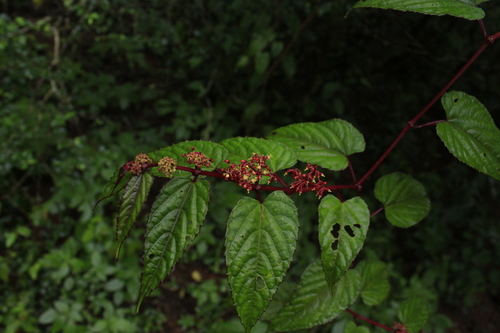
Common Grape Vine
vitis vinifera
Also known as: ["European grape","wine grape"]
Overview
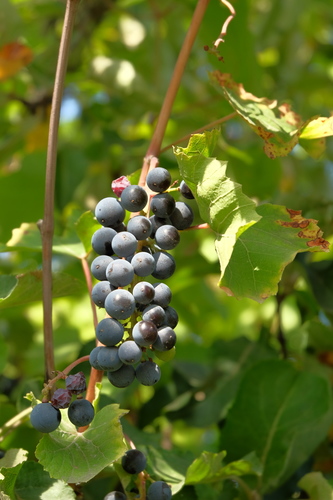
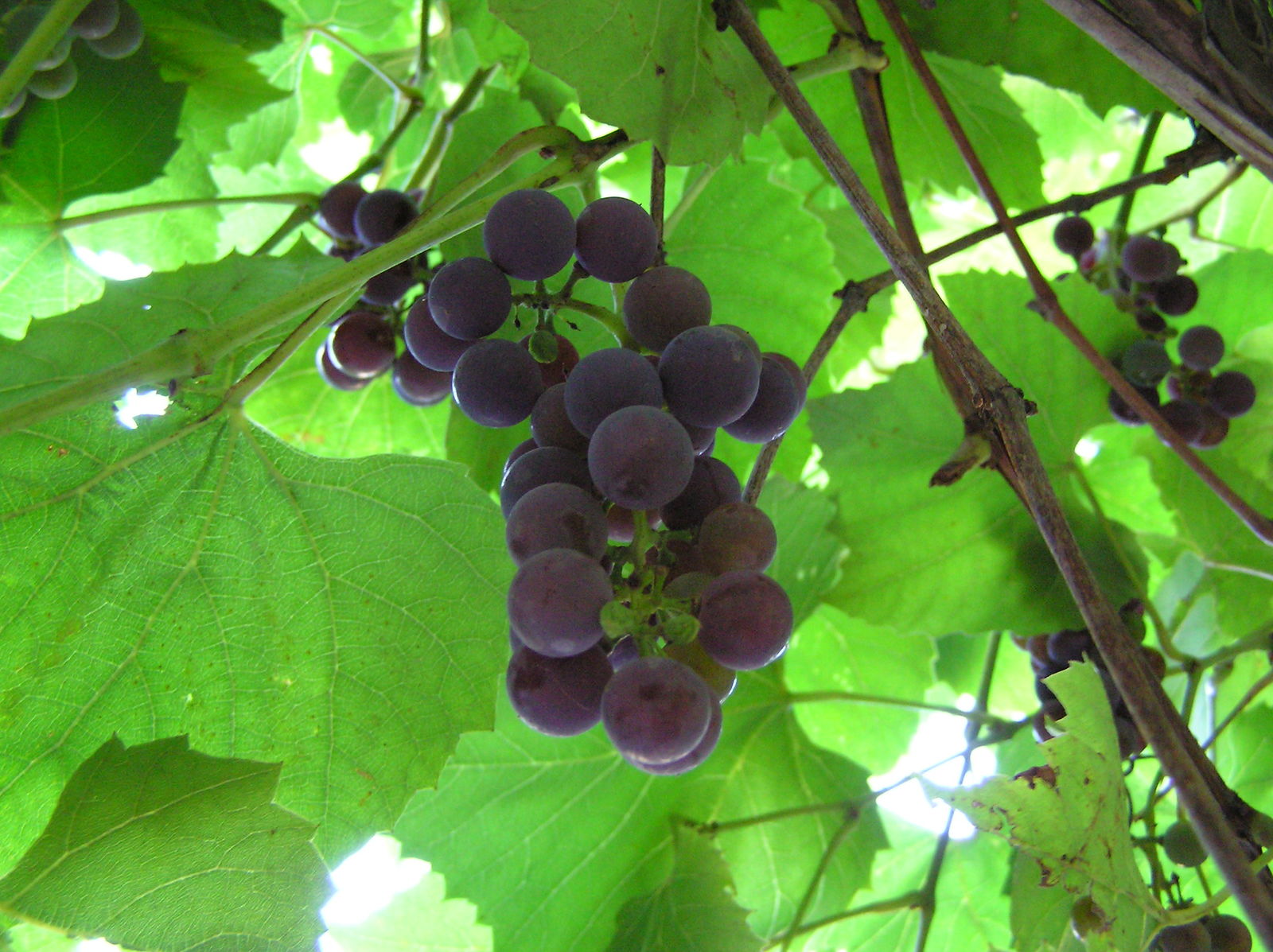
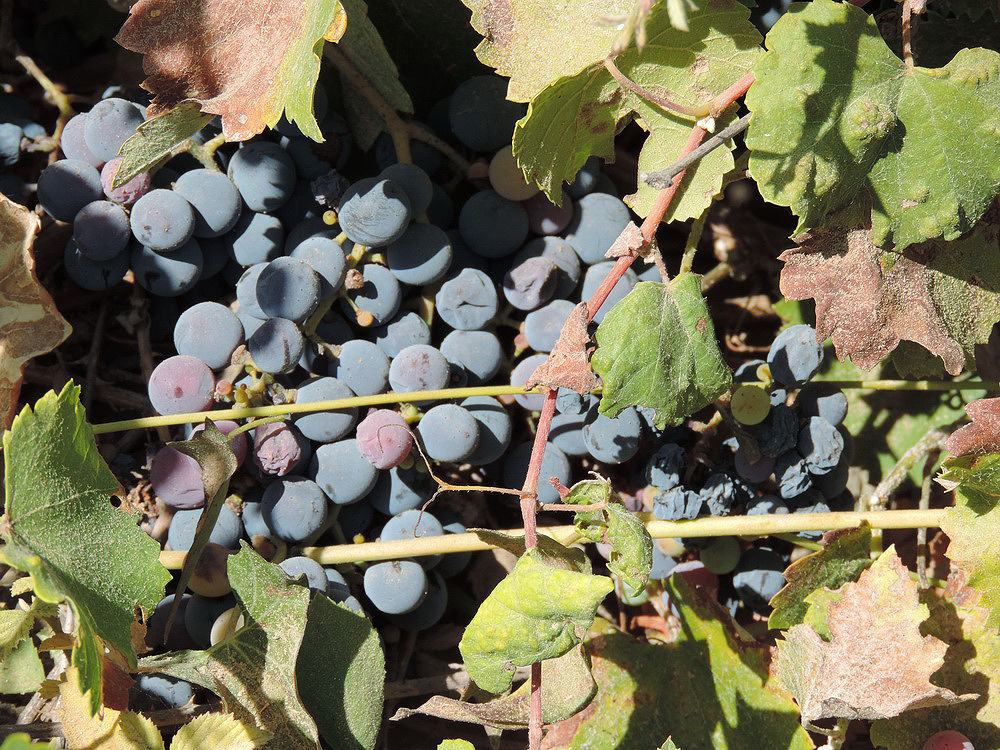
A deciduous woody vine cultivated for its edible fruits, primarily used for winemaking, table grapes, and raisins.
Benefits & Perks
["edible fruits","medicinal use","culinary herb","wildlife attractant (bees, butterflies, birds)"]
Botanical Classification
| Phylum: | Magnoliophyta |
| Class: | Magnoliopsida |
| Order: | Vitales |
| Family: | Vitaceae |
| Genus: | Vitis |
| Botanical Name: | Vitis vinifera |
Plant Characteristics
Basic Information
- Category: Fruits
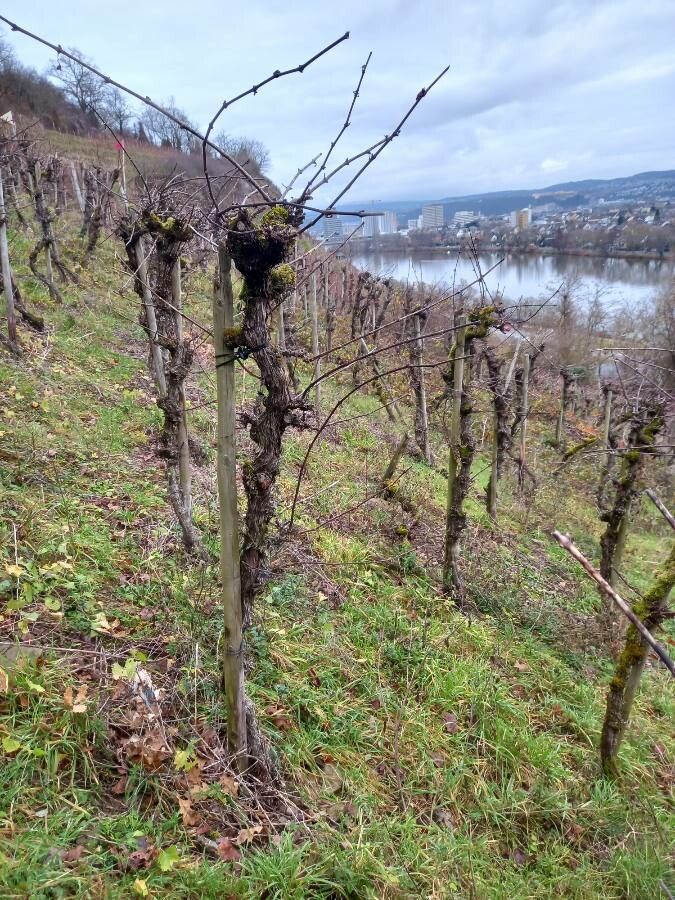
- Suitable Location: outdoor vineyard or garden with support structure
- Suitable For:
- Is Weed: No
- Allergenicity: low
Environmental Needs
- Climate: {"temperatureRange":"5–40°C"}
- Hardiness: {"zones":"6–9"}
- Misting: rarely required, only if grown in very dry conditions
- Drainage: Fast-draining to prevent waterlogging and root rot.
- Soil Type: Well-draining, loamy soil with added organic matter; avoid heavy clay soils.
Maintenance Level
- Maintenance Level: moderate
- Toughness Level: moderate
- Pruning Frequency: Annually, typically in late winter or early spring before bud break.
- Pruning Intensity: Moderate to heavy, depending on vine vigor and desired yield; remove up to 80% of previous year's gr
Care Details
Ideal Sunlight Coverage:
Full sun (6–8 hours of direct sunlight daily); adjust for intense summer heat by providing partial shade during peak hours.
Sunlight Tolerance Tips:
Acclimate plants gradually to full sun to prevent scorching; provide shade during extreme heat; ensure proper ventilation in indoor settings.
Care Requirements
Care Difficulty
moderatemoderate
Sunlight
full sun
Rotate plants for even light exposure; use shade cloth in intense summer heat; avoid placing near reflective surfaces that intensify light.
Watering
every 7–14 days, depending on climate and soil conditions
Water thoroughly but infrequently to encourage deep root growth; avoid overwatering to prevent root rot; water early in the day to minimize evaporation.
Soil
well-drained, loamy soil with moderate fertility
pH: Slightly acidic to neutral (6.0–7.0).
Ensure good drainage; avoid waterlogged soil; maintain consistent moisture levels.
Temperature
Ideal range 60–85°F (15–29°C); prefers warm, dry conditions; tolerates mild frosts but requires protection in freezing temperatures.
Protect from frost; provide shade in summer; maintain consistent temperatures to avoid shock.
Fertilizing
every 4–6 weeks during active growth (spring and summer)
Avoid over-fertilizing to prevent salt buildup; fertilize after watering to prevent root burn; use a fertilizer with higher phosphorus for fruit development.
Propagation
Methods
Hardwood cuttings taken in late winter or early spring; layering is also effective.
Step-by-Step Propagation Guide
- Select healthy, disease-free cuttings.
- Apply rooting hormone.
- Plant in medium.
- Maintain humidity and warmth.
- Transplant once rooted.
Best Time: Late winter or early spring before bud break; ensure temperatures are above 50°F (10°C) for rooting.
Environment
Warm (65–75°F), humid (70–80% RH), and shaded environment; protect from direct sunlight.
Medium
Coarse sand or perlite mixed with peat moss; well-draining rooting medium is essential.
Hormone
Recommended to use rooting hormone to improve success rate.
Timeline
Roots typically form in 4–8 weeks; establishment may take an additional 2–3 months.
Tools Needed
Pruning shears, rooting hormone, rooting medium, plastic bags or propagation dome, heat mat (optional).
Quick Tips
Use disease-free cuttings; maintain consistent humidity; avoid overwatering to prevent rot.
Pruning & Repotting
Pruning Guide
Method
Use cane pruning (Guyot or Cordon systems) for fruiting vines; remove weak, crossing, or overcrowded canes.
Pruning Plan
Prune to manage vine size, improve air circulation, and encourage fruit production; remove dead or diseased wood annually.
Tools
Pruning shears, loppers, saw (for large canes), disinfectant (for tools).
Checklist
Disinfect tools; prune during dormancy; remove dead or diseased wood; thin out overcrowded canes; shape for air circulation.
Repotting Guide
Best Season
Early spring before active growth begins; avoid repotting during dormancy or fruiting period.
Pot Size
Increase pot size by 2–3 inches in diameter; ensure adequate root space without excessive soil volume.
Method
Remove plant carefully; trim any circling roots; replace with fresh, well-draining soil; ensure proper drainage in new pot.
Suggestions
Repot only when root-bound or soil is depleted; typically every 2–3 years for potted vines.
Checklist
Check for root-bound condition; use fresh soil mix; ensure drainage holes are clear; water thoroughly after repotting.
Advanced Care Tips
Watering Mastery
Watering Checklist
Check soil moisture before watering; water deeply; ensure good drainage; avoid wetting foliage.
How to Apply Water Properly
Apply water directly to the root zone, ensuring even saturation to a depth of 12–18 inches; allow excess water to drain freely; water in the morning to reduce fungal risk.
Watering Schedule Tips
Water deeply once a week during active growth, reducing frequency in winter dormancy; adjust based on soil moisture and weather conditions.
Soil Improvement
Add coarse sand or perlite for drainage; incorporate compost for fertility; use raised beds if soil is heavy.
Temperature Stress Management
Signs of Temperature Issues
Chlorosis or necrosis in leaves; bud drop or poor fruit set; stunted growth; wilting despite adequate water.
Cold Stress
Low temperatures slow metabolic processes, reducing growth and fruit development; prolonged cold can damage buds and vines.
Solution: Mulch heavily around the base; cover vines with frost cloth during freezes; move potted vines indoors or to a protected area.
Hot Stress
Excessive heat causes leaf scorch, water stress, and reduced fruit quality; may lead to sunburn on fruit and leaves.
Solution: Provide afternoon shade; increase watering frequency; use reflective mulch to reduce ground heat; mist foliage during extreme heat.
Fertilizing Guide
Fertilizing Checklist
Check soil nutrient levels; use appropriate fertilizer type; apply at correct dilution; water before and after fertilizing.
Fertilizing Method
Use balanced, slow-release fertilizer in early spring; apply liquid fertilizer monthly during growing season; reduce or stop in winter.
Common Problems & Solutions
Toxicity Warning
Cats
ToxicGrapes and raisins are also toxic to cats, though cases are less common than in dogs. The toxic mechanism is similar, potentially leading to kidney damage. The severity can vary, but ingestion should always be treated as a serious concern.
⚠️ Symptoms:
🌿 Toxic Parts:
⚡ Toxic If:
if eaten
Dogs
ToxicGrapes and raisins are highly toxic to dogs, even in small amounts. The exact toxic compound is unknown, but ingestion can lead to acute kidney failure, which can be fatal. The toxicity is not dose-dependent, meaning even a small amount can cause severe reactions in some dogs.
⚠️ Symptoms:
🌿 Toxic Parts:
⚡ Toxic If:
if eaten
Humans
ToxicVitis vinifera berries can be toxic to humans if consumed in large quantities due to the presence of certain compounds that may cause adverse physiological effects. The toxicity is generally mild to moderate, but can be more severe in sensitive individuals or when consumed in excessive amounts.
⚠️ Symptoms:
🌿 Toxic Parts:
⚡ Toxic If:
if eaten in large quantities
Frequently Asked Questions
Q: Is Vitis vinifera suitable for beginners?
A: No, it requires moderate care and knowledge of pruning and training techniques.
Q: Can Vitis vinifera be grown indoors?
A: It is primarily an outdoor plant due to its vigorous growth and space requirements.
Q: What are the main uses of Vitis vinifera?
A: It is primarily used for winemaking, as table grapes, and for producing raisins.
Quick Reference
| Family: | Vitaceae |
| Care: | moderate |
| Light: | full sun |
| Water: | every 7–14 days, depending o |
Get Expert Care Tips
Download the Plantious app for personalized care reminders and plant identification!
Google Play App Store