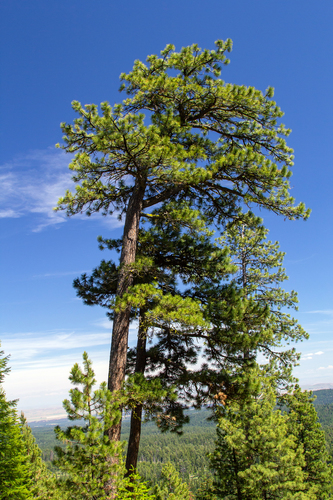
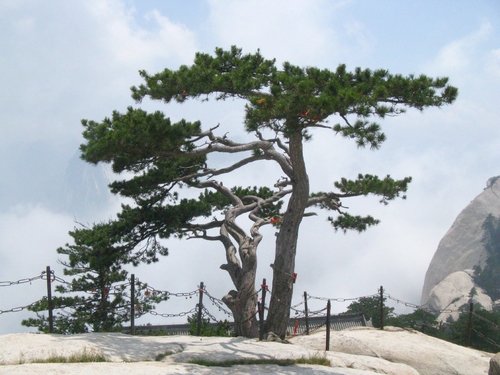
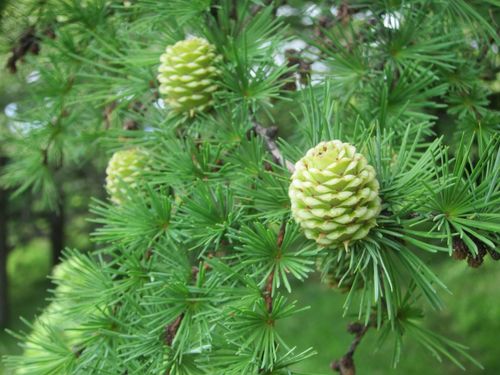
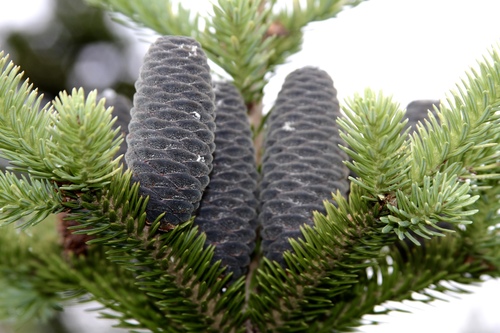
Balsam Fir
abies balsamea
Also known as: ["Balsam Fir","Canadian Balsam","Balsam Spruce"]
Overview
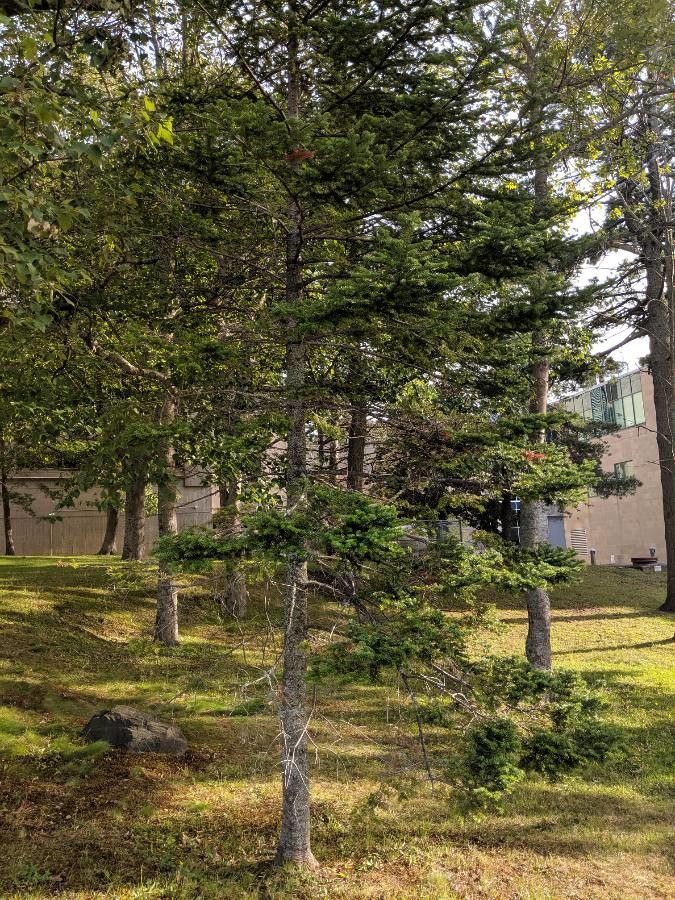
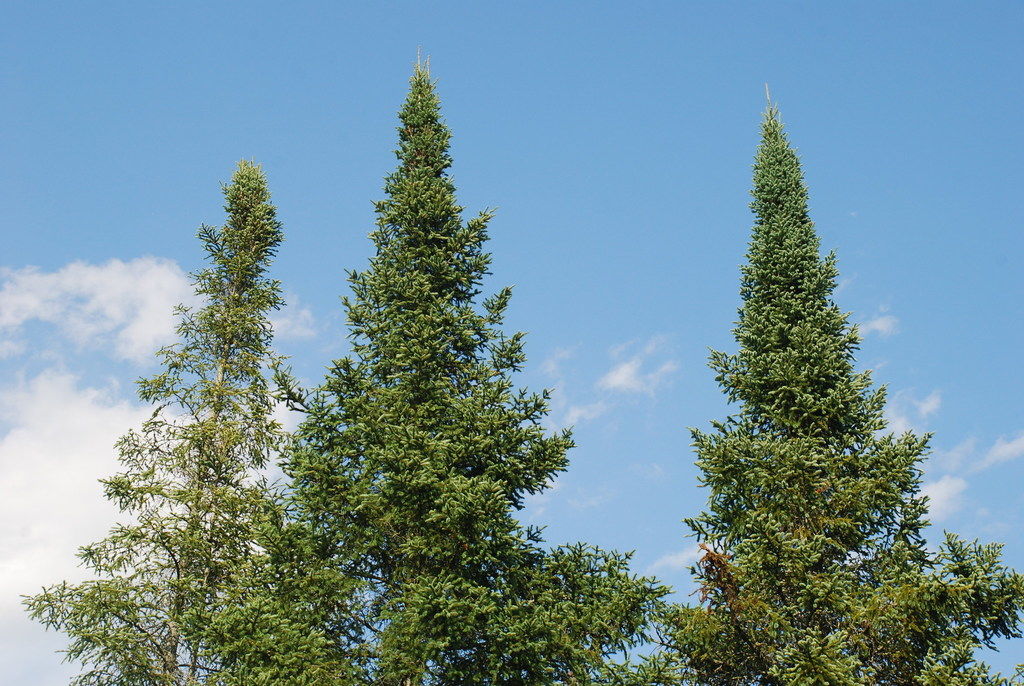
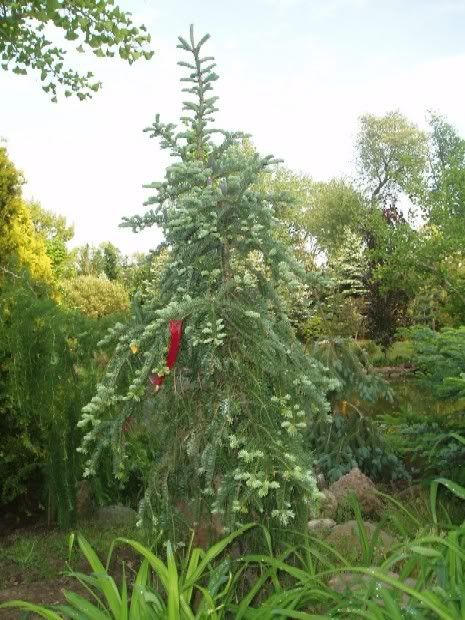
A coniferous evergreen tree native to North America, known for its fragrant needles and conical shape.
Benefits & Perks
["fragrant flowers","wildlife attractant (bees, butterflies, birds)","cold hardy","aesthetic foliage"]
Botanical Classification
| Phylum: | Pinophyta |
| Class: | Pinopsida |
| Order: | Pinales |
| Family: | Pinaceae |
| Genus: | Abies |
| Botanical Name: | Abies balsamea |
Plant Characteristics
Basic Information
- Category: Trees
- Suitable Location: outdoor garden in cooler climates, protected from strong winds
- Suitable For:
- Is Weed: No
- Allergenicity: low
Environmental Needs
- Climate: {"temperatureRange":"−40–30°C"}
- Hardiness: {"zones":"3–6"}
- Misting: rarely required, only if indoor air is very dry
- Drainage: Moderate to well-draining; avoid waterlogged conditions.
- Soil Type: Rich, loamy, well-draining soil with organic matter.
Maintenance Level
- Maintenance Level: moderate
- Toughness Level: high
- Pruning Frequency: Annually in late winter or early spring before new growth.
- Pruning Intensity: Moderate; selective removal of branches to maintain form.
Care Details
Ideal Sunlight Coverage:
Full sun to partial shade (4–6 hours direct sun, especially in cooler climates); adjust to dappled light in hot regions.
Sunlight Tolerance Tips:
Acclimate gradually to intense sun; protect from harsh afternoon rays; ensure adequate ventilation indoors.
Care Requirements
Care Difficulty
moderatemoderate
Sunlight
full sun to partial shade
Morning sun preferred; avoid hot afternoon sun; rotate regularly for even growth.
Watering
every 7–10 days, allowing soil to dry slightly between waterings
Maintain consistent moisture without saturation; water less in dormant periods.
Soil
well-draining, slightly acidic loam
pH: Acidic to slightly acidic (pH 4.5–6.5).
Ensure good drainage; amend with organic matter; test pH periodically.
Temperature
Hardy in USDA zones 3–7; tolerates cold (-40°C to -30°C); prefers cool summers (15–25°C).
Protect from late spring frosts; water deeply before freezes; avoid sudden temperature swings.
Fertilizing
every 2–3 months during spring and summer
Fertilize only in spring; use half-strength if needed; skip if growing well.
Propagation
Methods
Seed or stem cuttings (with rooting hormone); layering is also effective.
Step-by-Step Propagation Guide
- Take cuttings in spring.
- Apply hormone.
- Plant in medium.
- Maintain humidity.
- Pot once rooted.
Best Time: Spring for cuttings; fall for seeds after cold stratification.
Environment
High humidity (70–90%), indirect light, and consistent temperatures (18–21°C).
Medium
Peat-based mix with perlite or sand for cuttings; sterile seed starting mix for seeds.
Hormone
Recommended for cuttings to improve rooting success.
Timeline
Cuttings root in 4–8 weeks; seed germination varies (1–3 months with stratification).
Tools Needed
Pruners, rooting hormone, propagation tray, humidity dome, heat mat.
Quick Tips
Use fresh cuttings; maintain humidity; avoid direct sun; be patient with seeds.
Pruning & Repotting
Pruning Guide
Method
Thinning cuts to open canopy; heading cuts to encourage denser growth.
Pruning Plan
Shape young trees; remove dead/diseased branches; maintain air circulation.
Tools
Pruning shears, loppers, saw (for larger branches), sterilizing solution.
Checklist
Sterilize tools; prune dead/diseased wood; make clean cuts; avoid over-pruning.
Repotting Guide
Best Season
Early spring before active growth begins.
Pot Size
Increase pot size by 2–5 cm (1–2 inches) in diameter.
Method
Remove gently; trim roots if pot-bound; repot in fresh, well-draining soil; water lightly.
Suggestions
Not typically needed in natural settings; container-grown plants repot every 2–3 years.
Checklist
Check root bound status; prepare new pot; use fresh soil; water after repotting.
Advanced Care Tips
Watering Mastery
Watering Checklist
Check soil moisture; water deeply; ensure drainage; adjust for season.
How to Apply Water Properly
Water thoroughly at the root zone until it drains from the bottom, avoiding foliage wetting, preferably in the morning.
Watering Schedule Tips
Water deeply once the top inch of soil is dry; reduce frequency in winter to prevent root rot.
Soil Improvement
Add compost or peat moss for fertility; incorporate sand or perlite for drainage.
Temperature Stress Management
Signs of Temperature Issues
Wilting, needle discoloration (yellow/brown), premature needle drop, stunted growth.
Cold Stress
Generally cold-tolerant; prolonged sub-zero temperatures without snow cover can damage roots.
Solution: Mulch heavily in fall; avoid planting in exposed, windy sites; protect roots with snow cover.
Hot Stress
Heat stress causes needle scorch, reduced growth, and increased susceptibility to pests.
Solution: Provide shade during peak heat; increase watering; ensure good air circulation.
Fertilizing Guide
Fertilizing Checklist
Check soil fertility; apply sparingly; water after fertilizing; avoid late-season feeding.
Fertilizing Method
Use balanced, slow-release fertilizer in early spring; avoid feeding in late summer to prevent new growth vulnerable to frost.
Common Problems & Solutions
Toxicity Warning
Cats
Slightly ToxicCats may experience mild gastrointestinal irritation if they ingest Abies balsamea needles or bark. The resinous compounds in the plant can lead to digestive upset.
⚠️ Symptoms:
🌿 Toxic Parts:
⚡ Toxic If:
if ingested
Dogs
Slightly ToxicIngestion of Abies balsamea needles or bark can cause mild gastrointestinal upset in dogs due to the plant's resinous content, which may irritate the digestive tract.
⚠️ Symptoms:
🌿 Toxic Parts:
⚡ Toxic If:
if ingested
Humans
Non-toxicAbies balsamea is generally considered non-toxic to humans. However, ingestion of large quantities of needles or bark may cause mild gastrointestinal discomfort due to the presence of resinous compounds.
⚠️ Symptoms:
🌿 Toxic Parts:
⚡ Toxic If:
if eaten in large quantities
Frequently Asked Questions
Q: Is Balsam Fir toxic to pets?
A: No, Balsam Fir is non-toxic to dogs and cats.
Q: What are the common uses of Balsam Fir?
A: It is commonly used as a Christmas tree, for ornamental purposes, and its resin is used in traditional medicine.
Q: How tall does Balsam Fir grow?
A: Balsam Fir can grow up to 65 feet tall in ideal conditions.
Quick Reference
| Family: | Pinaceae |
| Care: | moderate |
| Light: | full sun to partial shade |
| Water: | every 7–10 days, allowing so |
Get Expert Care Tips
Download the Plantious app for personalized care reminders and plant identification!
Google Play App Store