Climbing Hydrangea
hydrangea petiolaris
Also known as: ["Climbing Hydrangea","Japanese Hydrangea Vine"]
Overview
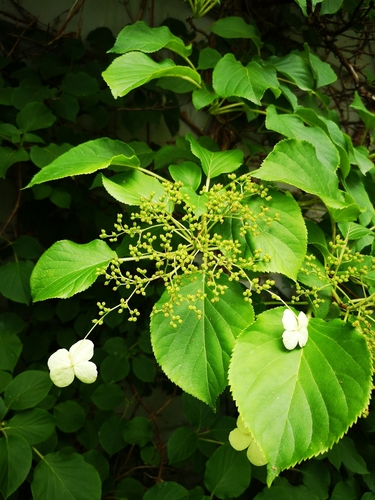
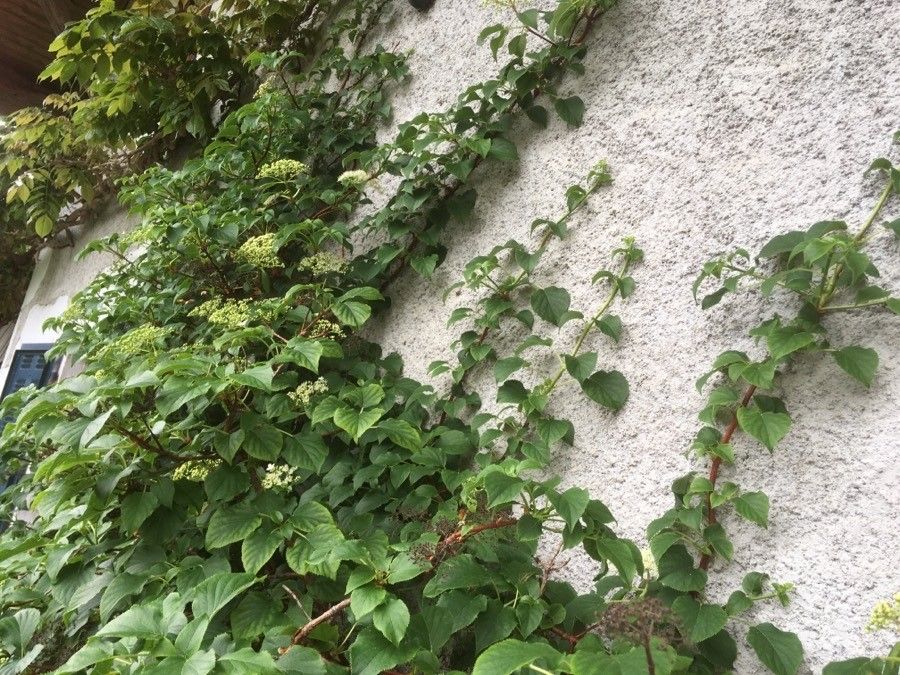
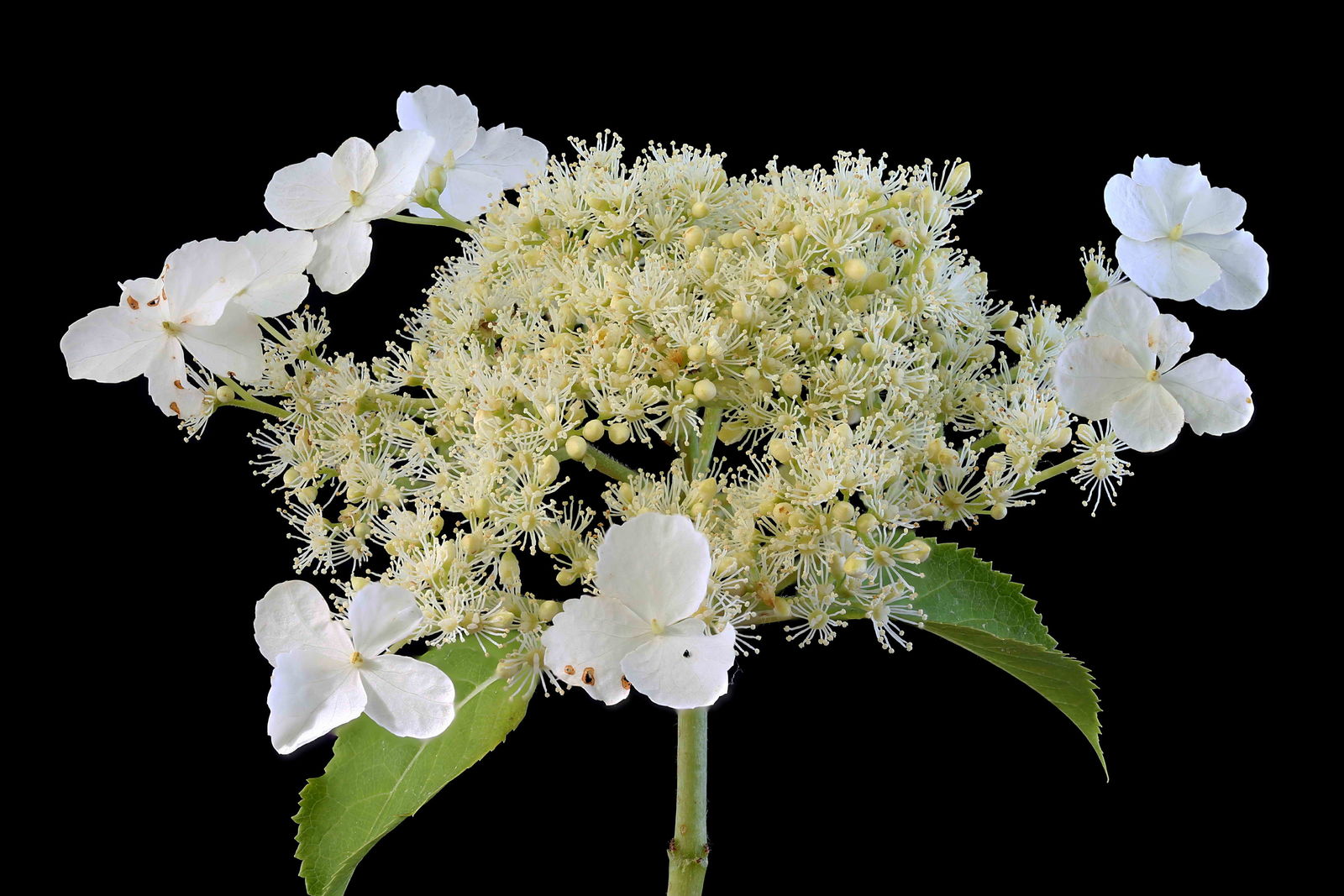
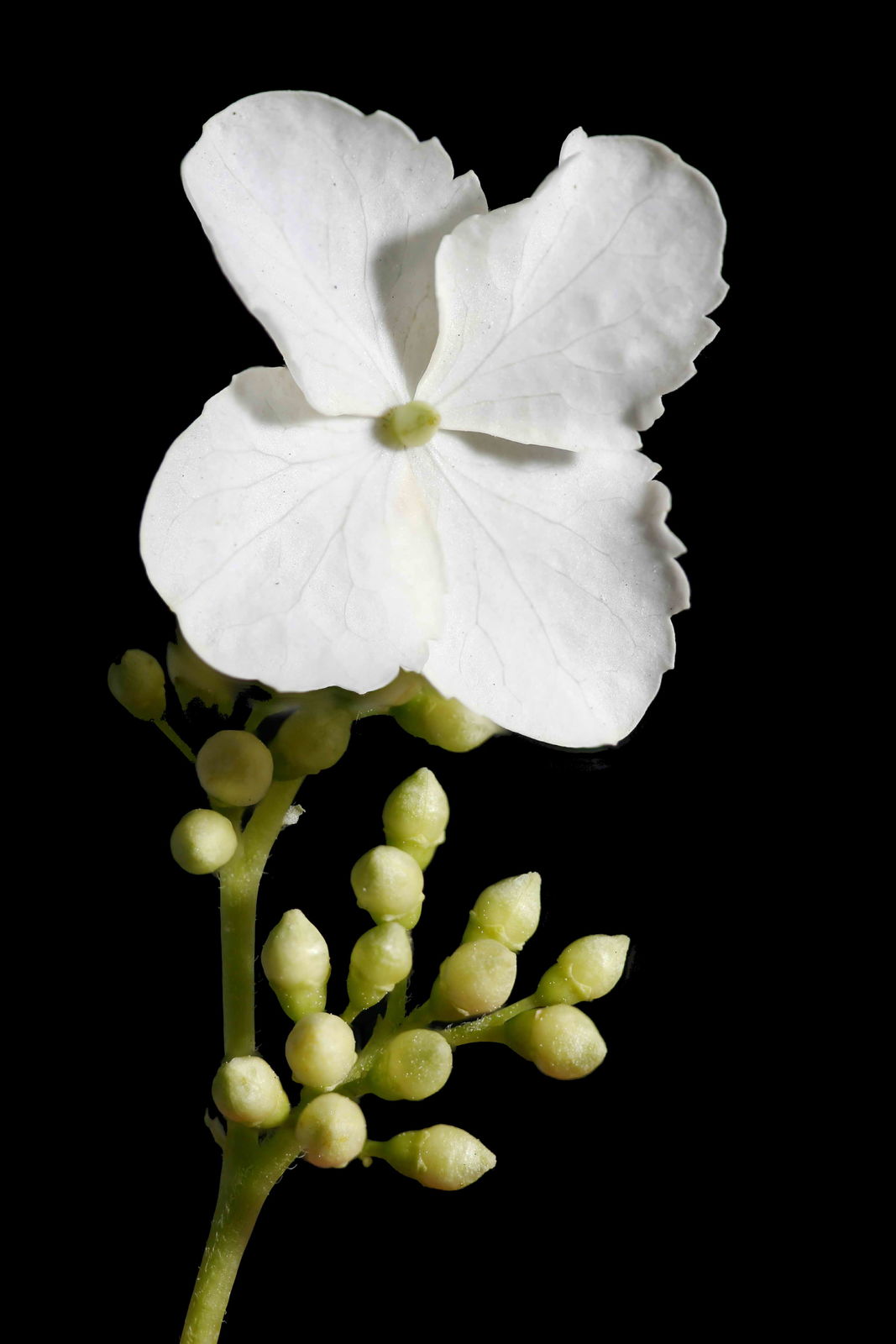
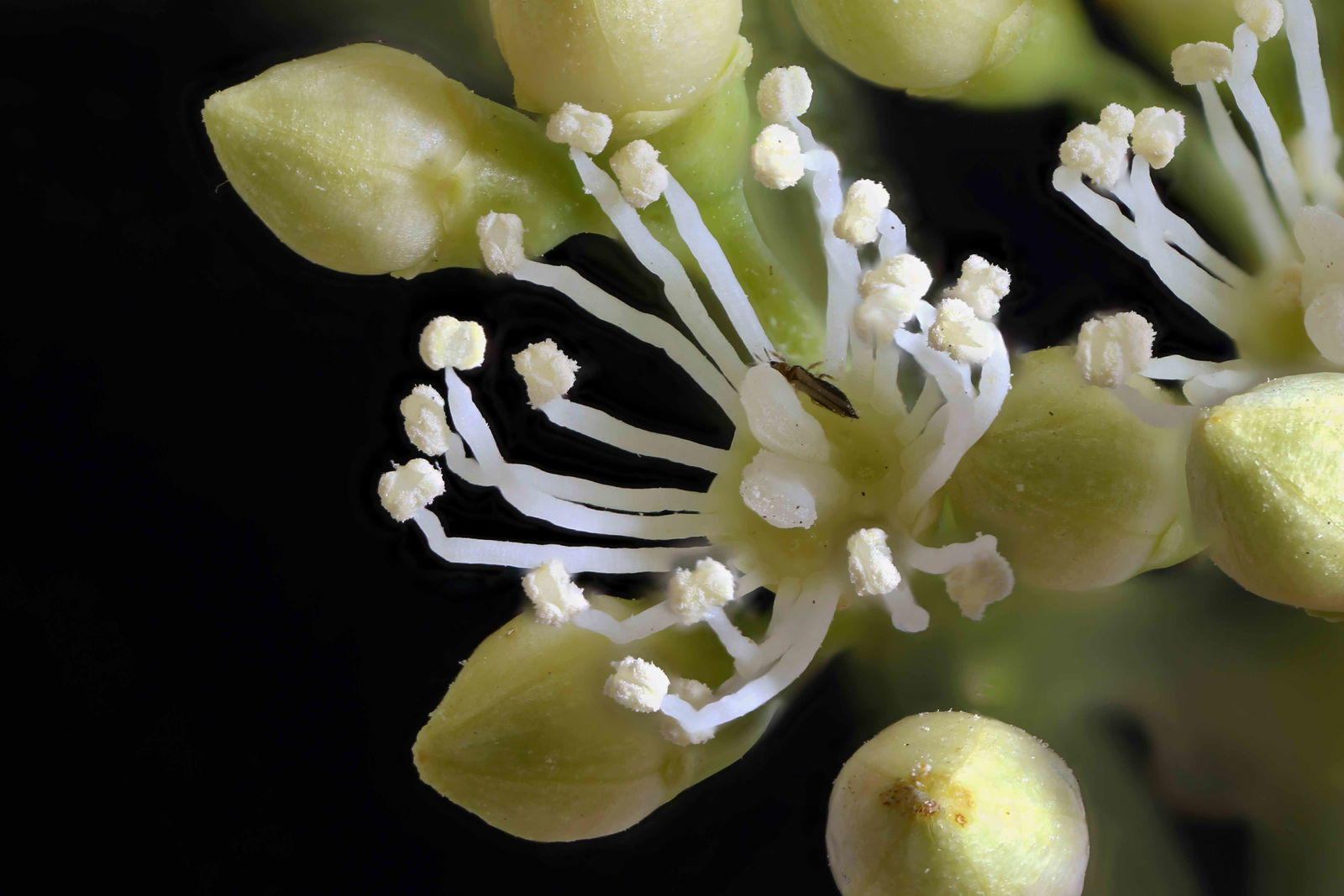
A deciduous climbing vine with large, fragrant white flowers and attractive, glossy leaves.
Benefits & Perks
["long-flowering","fragrant flowers","wildlife attractant (bees, butterflies, birds)","shade tolerant"]
Botanical Classification
| Phylum: | Magnoliophyta |
| Class: | Magnoliopsida |
| Order: | Cornales |
| Family: | Hydrangeaceae |
| Genus: | Hydrangea |
| Botanical Name: | Hydrangea petiolaris |
Plant Characteristics
Basic Information
- Category: Flowers
- Suitable Location: against a north or east-facing wall, or as a climbing feature on a trellis
- Suitable For:
- Is Weed: No
- Allergenicity: low
Environmental Needs
- Climate: {"temperatureRange":"5–30°C"}
- Hardiness: {"zones":"4–8"}
- Misting: rarely required, only if indoor air is very dry
- Drainage: Well-draining but moisture-retentive.
- Soil Type: Rich, loamy soil with good organic matter content.
Maintenance Level
- Maintenance Level: moderate
- Toughness Level: moderate
- Pruning Frequency: Annually in late winter or early spring before new growth begins.
- Pruning Intensity: Light to moderate; focus on removing dead, damaged, or overgrown stems.
Care Details
Ideal Sunlight Coverage:
Partial shade to full sun (4–6 hours of morning sun with afternoon shade, especially in hot climates).
Sunlight Tolerance Tips:
Acclimate gradually to direct sunlight to avoid scorching. In hot climates, provide shade during peak afternoon sun. Indoors, place near an east-facing window or use sheer curtains to filter intense light.
Care Requirements
Care Difficulty
moderatemoderate
Sunlight
partial shade, especially protection from hot afternoon sun
Morning sun is ideal; avoid harsh afternoon sun; adjust shade as seasons change.
Watering
every 7–10 days, more frequently in hot, dry conditions
Water thoroughly until runoff, ensure good drainage, and avoid overhead watering to prevent fungal issues.
Soil
rich, moist, well-draining soil with high organic matter
pH: Slightly acidic to neutral (pH 5.5–7.0).
Ensure good drainage; enrich with organic matter; maintain consistent moisture.
Temperature
Prefers cool to moderate temperatures (60–75°F / 15–24°C). Tolerates cooler spring and fall temperatures but avoids extreme heat or frost.
Protect from frost; provide shade in summer; maintain moderate humidity.
Fertilizing
every 4–6 weeks during spring and summer
Fertilize in spring and after flowering; use a balanced formula; avoid over-fertilizing.
Propagation
Methods
Stem cuttings taken in late spring or early summer.
Step-by-Step Propagation Guide
- Take 4–6 inch cuttings below a node.
- Remove lower leaves.
- Dip in rooting hormone.
- Plant in moist medium.
- Maintain humidity with a plastic cover.
Best Time: Late spring to early summer when the plant is actively growing.
Environment
High humidity (70–90%), warm temperatures (65–75°F / 18–24°C), and bright, indirect light.
Medium
Peat-based potting mix with added perlite or sand for drainage.
Hormone
Rooting hormone is recommended to improve success rates.
Timeline
Roots typically form in 4–8 weeks; establishment may take an additional growing season.
Tools Needed
Pruning shears, rooting hormone, small pots, plastic wrap or propagator, misting bottle.
Quick Tips
Use healthy, non-flowering stems; maintain consistent moisture; provide bottom heat if possible.
Pruning & Repotting
Pruning Guide
Method
Selective thinning of stems to improve air circulation and shape; avoid cutting back stems that bore flowers the previous year.
Pruning Plan
Prune to control size, encourage flowering, and remove dead or weak growth. Avoid heavy pruning as Hydrangea petiolaris blooms on old wood.
Tools
Pruning shears, loppers (for thicker stems), gloves, disinfectant for tools.
Checklist
Disinfect tools; prune before new growth; remove dead/damaged stems; thin crowded areas.
Repotting Guide
Best Season
Early spring before active growth begins.
Pot Size
Increase pot size by 2–3 inches in diameter.
Method
Gently remove the plant; trim any circling roots; place in a slightly larger pot with fresh, well-draining soil; water thoroughly after repotting.
Suggestions
Repot only if the plant becomes root-bound or outgrows its container. Outdoor plants rarely need repotting but may benefit from soil refreshment every few years.
Checklist
Choose appropriate pot size; use fresh soil mix; trim roots if needed; water well after repotting.
Advanced Care Tips
Watering Mastery
Watering Checklist
Check soil moisture before watering; water deeply; ensure drainage; water in the morning.
How to Apply Water Properly
Water at the base of the plant, focusing on the root zone. Apply water slowly to allow deep penetration, ensuring the soil is moistened to a depth of 6–8 inches. Water in the morning to minimize evaporation and allow foliage to dry before nightfall.
Watering Schedule Tips
Water deeply once a week during spring and summer, increasing to twice weekly during hot, dry periods. Reduce frequency in fall and winter, allowing soil to dry slightly between waterings.
Soil Improvement
Add compost or well-rotted manure to enhance fertility and structure; incorporate perlite or sand for drainage if needed.
Temperature Stress Management
Signs of Temperature Issues
Leaf scorch (brown edges) in excessive heat; leaf drop or stunted growth in cold stress.
Cold Stress
Low temperatures slow growth and can cause leaf drop or dieback, especially if roots are not protected.
Solution: Mulch heavily around the base to insulate roots; protect from frost with burlap or frost cloth; avoid planting in exposed, windy areas.
Hot Stress
Excessive heat leads to wilting, leaf scorch, and reduced flowering due to water stress and heat exhaustion.
Solution: Provide shade during peak heat; increase watering frequency; use mulch to retain soil moisture; ensure good air circulation.
Fertilizing Guide
Fertilizing Checklist
Use balanced fertilizer; apply in spring; follow package dilution; avoid high nitrogen.
Fertilizing Method
Use a balanced, slow-release fertilizer in early spring as new growth emerges. Apply a second light feeding after the first bloom cycle. Avoid high-nitrogen fertilizers to prevent excessive foliage at the expense of flowers.
Common Problems & Solutions
Toxicity Warning
Cats
Slightly ToxicCats are susceptible to gastrointestinal distress if they ingest parts of Hydrangea petiolaris. The cyanogenic glycosides can cause mild to moderate toxicity, primarily affecting the digestive tract.
⚠️ Symptoms:
🌿 Toxic Parts:
⚡ Toxic If:
if eaten
Dogs
Slightly ToxicIn dogs, ingestion of Hydrangea petiolaris can lead to mild to moderate gastrointestinal upset due to the presence of cyanogenic glycosides. The effects are typically not life-threatening but can cause discomfort.
⚠️ Symptoms:
🌿 Toxic Parts:
⚡ Toxic If:
if eaten
Humans
Slightly ToxicHydrangea petiolaris contains cyanogenic glycosides, which can release cyanide when ingested. The toxicity is generally mild to moderate, causing gastrointestinal discomfort and other symptoms. The physiological impact is primarily localized to the digestive system.
⚠️ Symptoms:
🌿 Toxic Parts:
⚡ Toxic If:
if eaten
Frequently Asked Questions
Q: How fast does Hydrangea petiolaris grow?
A: It grows moderately fast, typically 3–6 feet per year once established.
Q: Does Hydrangea petiolaris require support?
A: Yes, it is a climbing vine and needs a trellis, wall, or other support structure.
Q: Is Hydrangea petiolaris suitable for shade?
A: Yes, it thrives in partial to full shade, making it ideal for shaded garden areas.
Quick Reference
| Family: | Hydrangeaceae |
| Care: | moderate |
| Light: | partial shade, especially prot |
| Water: | every 7–10 days, more freque |
Get Expert Care Tips
Download the Plantious app for personalized care reminders and plant identification!
Google Play App Store