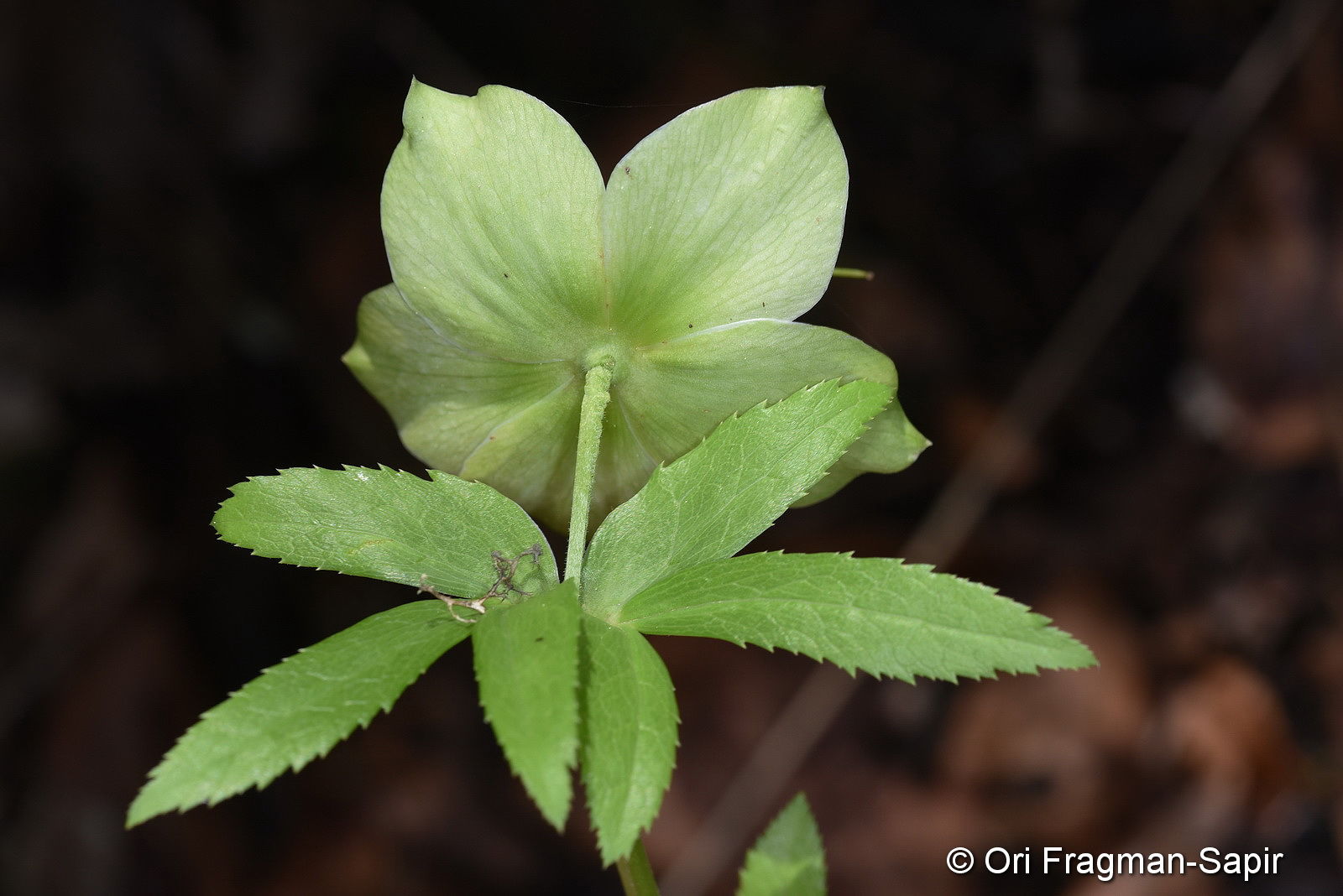
Lenten Rose
helleborus orientalis
Also known as: ["Oriental Hellebore","St. Benedict's Herb"]
Overview
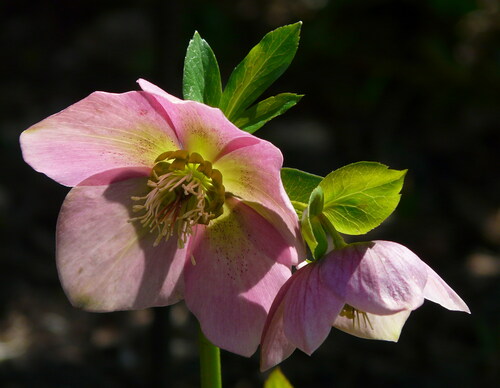
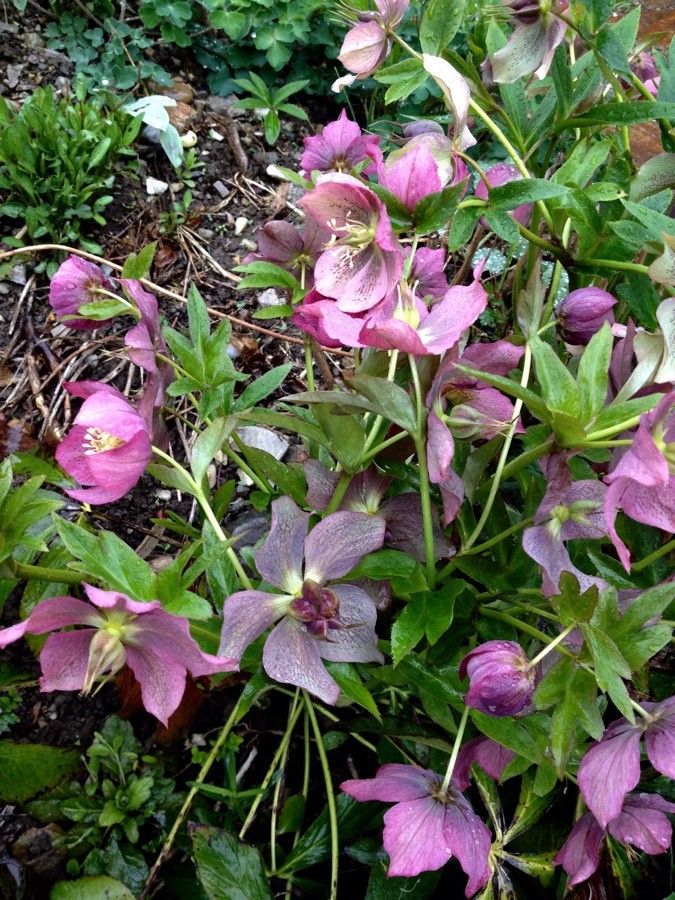
A perennial flowering plant native to southeastern Europe, known for its early spring blooms and leathery, evergreen foliage.
Benefits & Perks
["long-flowering","deer resistant","wildlife attractant (bees, butterflies, birds)","shade tolerant"]
Botanical Classification
| Phylum: | Magnoliophyta |
| Class: | Magnoliopsida |
| Order: | Ranunculales |
| Family: | Ranunculaceae |
| Genus: | Helleborus |
| Botanical Name: | Helleborus orientalis |
Plant Characteristics
Basic Information
- Category: Flowers
- Suitable Location: partially shaded garden bed with protection from harsh afternoon sun
- Suitable For:
- Is Weed: No
- Allergenicity: low
Environmental Needs
- Climate: {"temperatureRange":"–15–30°C"}
- Hardiness: {"zones":"4–9"}
- Misting: rarely required, only if ambient humidity is very low
- Drainage: Well-draining to slightly moist; must not remain waterlogged.
- Soil Type: Rich, well-drained, loamy soil with organic matter; avoid heavy clay.
Maintenance Level
- Maintenance Level: moderate
- Toughness Level: moderate
- Pruning Frequency: Annually after flowering or as needed to remove old growth.
- Pruning Intensity: Light to moderate; focus on tidiness rather than drastic shaping.
Care Details
Ideal Sunlight Coverage:
Partial shade to full shade; 4–6 hours of morning sun or dappled light; protection from harsh afternoon sun.
Sunlight Tolerance Tips:
Acclimate plants gradually to increased light; avoid direct sun exposure, especially in summer; place in shaded areas with indirect light.
Care Requirements
Care Difficulty
moderatemoderate
Sunlight
partial shade to full shade
Morning sun is ideal; avoid hot afternoon sun; dappled light is best for optimal growth.
Watering
every 7–10 days during active growth, less frequently in winter
Water thoroughly but infrequently to encourage deep roots; avoid waterlogged soil; prioritize morning watering to reduce fungal risk.
Soil
well-draining, humus-rich, neutral to alkaline soil
pH: Slightly acidic to neutral, pH 6.0–7.0.
Ensure good drainage; amend with organic matter; maintain consistent moisture.
Temperature
Cool to moderate temperatures, 50–70°F (10–21°C); tolerates cold but prefers protection from extreme heat.
Protect from frost; avoid hot, direct sun; maintain consistent soil moisture.
Fertilizing
every 4–6 weeks during spring and summer with balanced liquid fertilizer
Fertilize lightly after flowering; avoid over-fertilizing, which can harm roots; use organic options like compost or worm castings.
Propagation
Methods
Division or seed; division is faster and more reliable for home growers.
Step-by-Step Propagation Guide
- Divide clumps into sections with at least 3 buds each.
- Replant immediately at the same depth.
- Water thoroughly after planting.
Best Time: Early spring or late summer when the plant is not in active bloom.
Environment
Shaded, humid environment with consistent moisture; protect from extreme temperatures.
Medium
Well-drained potting mix with added perlite or sand; for division, use garden soil amended with compost.
Hormone
Not necessary for division; optional for seedlings to encourage root development.
Timeline
Division: immediate establishment; seeds: germination in 1–3 months, flowering in 2–3 years.
Tools Needed
Sharp, sterilized knife or spade, gloves, pots or planting site.
Quick Tips
Divide every 3–5 years to maintain vigor; sow seeds in containers for easier management; keep seedlings moist but not waterlogged.
Pruning & Repotting
Pruning Guide
Method
Cut flower stalks at the base; trim dead or damaged leaves; avoid cutting into healthy stems.
Pruning Plan
Remove spent flower stems and dead foliage to maintain appearance and encourage new growth; minimal pruning required.
Tools
Pruning shears, gloves, sterilizing solution.
Checklist
Sterilize tools; prune after flowering; remove only dead or spent parts; clean up debris.
Repotting Guide
Best Season
Early spring before new growth begins.
Pot Size
One size larger pot; ensure good drainage holes.
Method
Gently remove the plant; trim any dead roots; replant in fresh, well-drained soil at the same depth; water thoroughly.
Suggestions
Repot every 3–5 years or when the plant becomes root-bound; division is often combined with repotting.
Checklist
Choose appropriate pot size; use fresh soil mix; handle roots carefully; water after repotting.
Advanced Care Tips
Watering Mastery
Watering Checklist
Check soil moisture before watering; water deeply; ensure proper drainage; avoid overhead watering.
How to Apply Water Properly
Water at the base of the plant, ensuring moisture reaches the root zone; allow water to penetrate deeply, then drain; avoid wetting foliage to prevent disease.
Watering Schedule Tips
Water deeply once a week during active growth, reducing frequency in winter dormancy; adjust based on rainfall and soil moisture retention.
Soil Improvement
Add compost or well-rotted manure; incorporate perlite or sand for drainage; ensure organic matter is well-mixed.
Temperature Stress Management
Signs of Temperature Issues
Wilting, leaf scorch, stunted growth, or premature flowering in excessive heat; leaf drop or crown damage in cold stress.
Cold Stress
Low temperatures can cause root damage, slow growth, or dieback, especially in poorly drained soil.
Solution: Mulch heavily around the base; protect from frost with row covers; ensure well-drained soil to prevent root rot.
Hot Stress
Excessive heat can lead to dehydration, leaf scorch, and reduced flowering.
Solution: Provide shade during peak heat; increase watering frequency; use mulch to retain soil moisture.
Fertilizing Guide
Fertilizing Checklist
Use balanced fertilizer; apply in early spring; avoid late-season feeding.
Fertilizing Method
Use a balanced, slow-release fertilizer in early spring; avoid high-nitrogen formulas; reduce or stop feeding in late summer/autumn.
Common Problems & Solutions
Toxicity Warning
Cats
ToxicHelleborus orientalis is toxic to cats, with ingestion leading to severe gastrointestinal and cardiac effects. The plant's toxins can cause significant distress and potentially fatal cardiac complications in felines.
⚠️ Symptoms:
🌿 Toxic Parts:
⚡ Toxic If:
if eaten
Dogs
ToxicThe plant contains toxic compounds that can cause severe gastrointestinal upset and cardiac issues in dogs. The toxins interfere with normal cardiac function and can lead to serious health complications.
⚠️ Symptoms:
🌿 Toxic Parts:
⚡ Toxic If:
if eaten
Humans
ToxicHelleborus orientalis contains cardiotoxic and neurotoxic compounds, including helleborin and helleborein, which can disrupt cardiac function and nervous system activity. Ingestion can lead to severe gastrointestinal distress and potentially fatal cardiac complications.
⚠️ Symptoms:
🌿 Toxic Parts:
⚡ Toxic If:
if eaten
Frequently Asked Questions
Q: Is Helleborus orientalis toxic to pets?
A: Yes, it is toxic to dogs and cats if ingested.
Q: Does Lenten Rose prefer sun or shade?
A: It thrives in partial to full shade.
Q: How often should I water Helleborus orientalis?
A: Water moderately, keeping the soil consistently moist but not waterlogged.
Quick Reference
| Family: | Ranunculaceae |
| Care: | moderate |
| Light: | partial shade to full shade |
| Water: | every 7–10 days during activ |
Get Expert Care Tips
Download the Plantious app for personalized care reminders and plant identification!
Google Play App Store