Rattlesnake Plant
calathea lancifolia
Also known as: ["Rattlesnake Plant","Rattlesnake Calathea"]
Overview
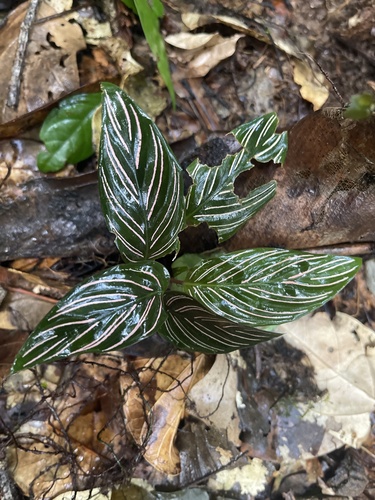
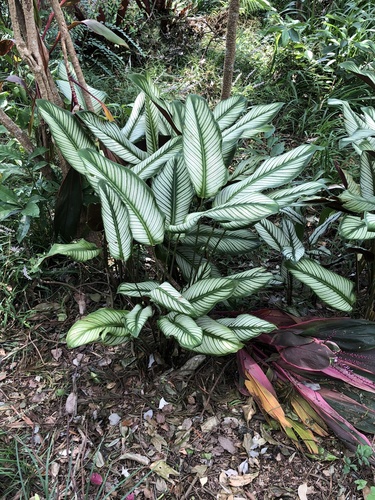
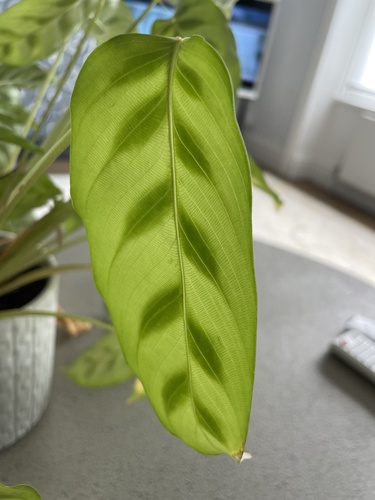
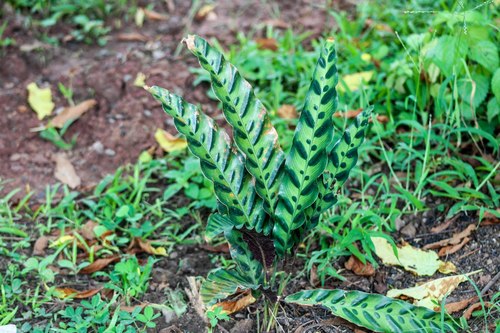
A tropical evergreen perennial with striking, elongated leaves featuring a distinctive wavy pattern and dark green spots along the edges.
Benefits & Perks
["aesthetic foliage","shade tolerant","air purifying"]
Botanical Classification
| Phylum: | Magnoliophyta |
| Class: | Liliopsida |
| Order: | Zingiberales |
| Family: | Marantaceae |
| Genus: | Calathea |
| Botanical Name: | Calathea lancifolia |
Plant Characteristics
Basic Information
- Category: Leaf Plants
- Suitable Location: indoor pot in a humid environment with bright, filtered light
- Suitable For:
- Is Weed: No
- Allergenicity: low
Environmental Needs
- Climate: {"temperatureRange":"18–27°C"}
- Hardiness: {"zones":"11–12"}
- Misting: every 2–3 days to maintain high humidity
- Drainage: Fast-draining to prevent waterlogging.
- Soil Type: Well-draining, rich potting mix with peat moss or coco coir for moisture retention.
Maintenance Level
- Maintenance Level: moderate
- Toughness Level: moderate
- Pruning Frequency: As needed, typically every few months or when dead leaves accumulate.
- Pruning Intensity: Light pruning; focus on removing individual leaves rather than cutting back stems.
Care Details
Ideal Sunlight Coverage:
Bright indirect light for 6–8 hours daily; adjust to lower light in summer to prevent leaf burn.
Sunlight Tolerance Tips:
Gradually acclimate to brighter light; keep away from direct sun; place in a north or east-facing window indoors.
Care Requirements
Care Difficulty
moderatemoderate
Sunlight
bright, indirect light
Rotate plant weekly for even growth; use sheer curtains to filter intense light.
Watering
every 5–7 days, allowing soil to dry slightly between waterings
Use distilled or rainwater to avoid mineral buildup; ensure soil is evenly moist but not waterlogged.
Soil
moist, well-draining, peat-based potting mix
pH: Acidic to slightly acidic (pH 5.5–6.5).
Ensure pots have drainage holes; avoid compacted soil; refresh topsoil annually.
Temperature
Ideal range 65–80°F (18–27°C); prefers stable temperatures, avoiding drafts or sudden changes.
Avoid placing near drafty windows; maintain consistent room temperature; monitor with a thermometer.
Fertilizing
every 2 weeks during active growth (spring and summer), every 3 months with slow-release fertilizer
Always water before fertilizing to prevent root burn; flush soil occasionally to remove salt buildup.
Propagation
Methods
Division during repotting; separate root clumps with healthy stems and leaves.
Step-by-Step Propagation Guide
- Remove plant from pot, gently separate divisions, plant in new pots, water lightly, maintain humidity.
Best Time: Spring or early summer when the plant is actively growing.
Environment
High humidity (70–90%), warm temperatures (70–75°F), and indirect light.
Medium
Standard potting mix with added perlite for drainage.
Hormone
Not necessary for division, but can aid root development if used.
Timeline
Roots establish within 2–4 weeks; new growth appears in 6–8 weeks.
Tools Needed
Clean knife or shears, pots, fresh soil mix, humidity dome or plastic bag.
Quick Tips
Ensure each division has roots and foliage; maintain consistent moisture without overwatering.
Pruning & Repotting
Pruning Guide
Method
Cut leaves at the base with clean, sharp tools; avoid cutting into healthy growth.
Pruning Plan
Remove yellow or damaged leaves to maintain aesthetics and plant health; encourage fuller growth.
Tools
Clean scissors or pruning shears, disinfectant solution.
Checklist
Identify damaged leaves, use clean tools, cut at base, dispose of clippings, clean tools after use.
Repotting Guide
Best Season
Spring, before the active growing season begins.
Pot Size
Choose a pot 1–2 inches larger in diameter than the current one.
Method
Remove plant gently, trim any circling roots, place in a new pot with fresh soil, water lightly.
Suggestions
Repot every 1–2 years or when roots outgrow the pot; promotes fresh soil and root health.
Checklist
Select appropriate pot, prepare new soil, handle roots carefully, water after repotting, place in suitable light.
Advanced Care Tips
Watering Mastery
Watering Checklist
Check soil moisture, use appropriate water, water thoroughly, ensure drainage, avoid foliage wetting.
How to Apply Water Properly
Water until it drains from the bottom, ensuring even saturation of the root zone; avoid wetting foliage to prevent fungal issues.
Watering Schedule Tips
Water thoroughly when the top 1–2 inches of soil feel dry; reduce frequency in winter to prevent root rot.
Soil Improvement
Add perlite or sand for drainage; incorporate organic matter like compost for fertility.
Temperature Stress Management
Signs of Temperature Issues
Curling leaves, brown leaf tips, or drooping foliage; may also exhibit stunted growth.
Cold Stress
Slows metabolic processes, causing leaf discoloration and potential root damage.
Solution: Move to a warmer location; use a space heater if necessary; insulate pots from cold surfaces.
Hot Stress
Leaves may wilt, curl, or develop brown edges; excessive transpiration can lead to dehydration.
Solution: Increase humidity with a pebble tray or mister; provide shade during peak heat; ensure adequate ventilation.
Fertilizing Guide
Fertilizing Checklist
Check season, dilute fertilizer, water before application, avoid foliage contact, flush periodically.
Fertilizing Method
Use a balanced liquid fertilizer diluted to half strength every 4–6 weeks during growing season (spring/summer); cease in fall/winter.
Common Problems & Solutions
Toxicity Warning
Cats
Non-toxicCalathea lancifolia is not toxic to cats. The plant does not produce any known toxins that would pose a risk to felines if ingested or touched.
⚡ Toxic If:
Generally non-toxic
Dogs
Non-toxicCalathea lancifolia is not toxic to dogs. The plant does not contain any known substances that are harmful to canines, even if ingested.
⚡ Toxic If:
Generally non-toxic
Humans
Non-toxicCalathea lancifolia, commonly known as Rattlesnake Plant, is not considered toxic to humans. It does not produce any known harmful compounds that would cause adverse effects upon ingestion or contact.
⚡ Toxic If:
Generally non-toxic
Frequently Asked Questions
Q: Why are the leaves of my Calathea lancifolia turning yellow?
A: Yellow leaves can indicate overwatering, underwatering, or low humidity. Ensure proper watering and maintain humidity levels above 50%.
Q: Does Calathea lancifolia require direct sunlight?
A: No, it prefers indirect, dappled light. Direct sunlight can scorch its leaves.
Q: How often should I water my Calathea lancifolia?
A: Water when the top inch of soil feels dry, typically once a week, but adjust based on environmental conditions.
Quick Reference
| Family: | Marantaceae |
| Care: | moderate |
| Light: | bright, indirect light |
| Water: | every 5–7 days, allowing soi |
Get Expert Care Tips
Download the Plantious app for personalized care reminders and plant identification!
Google Play App Store