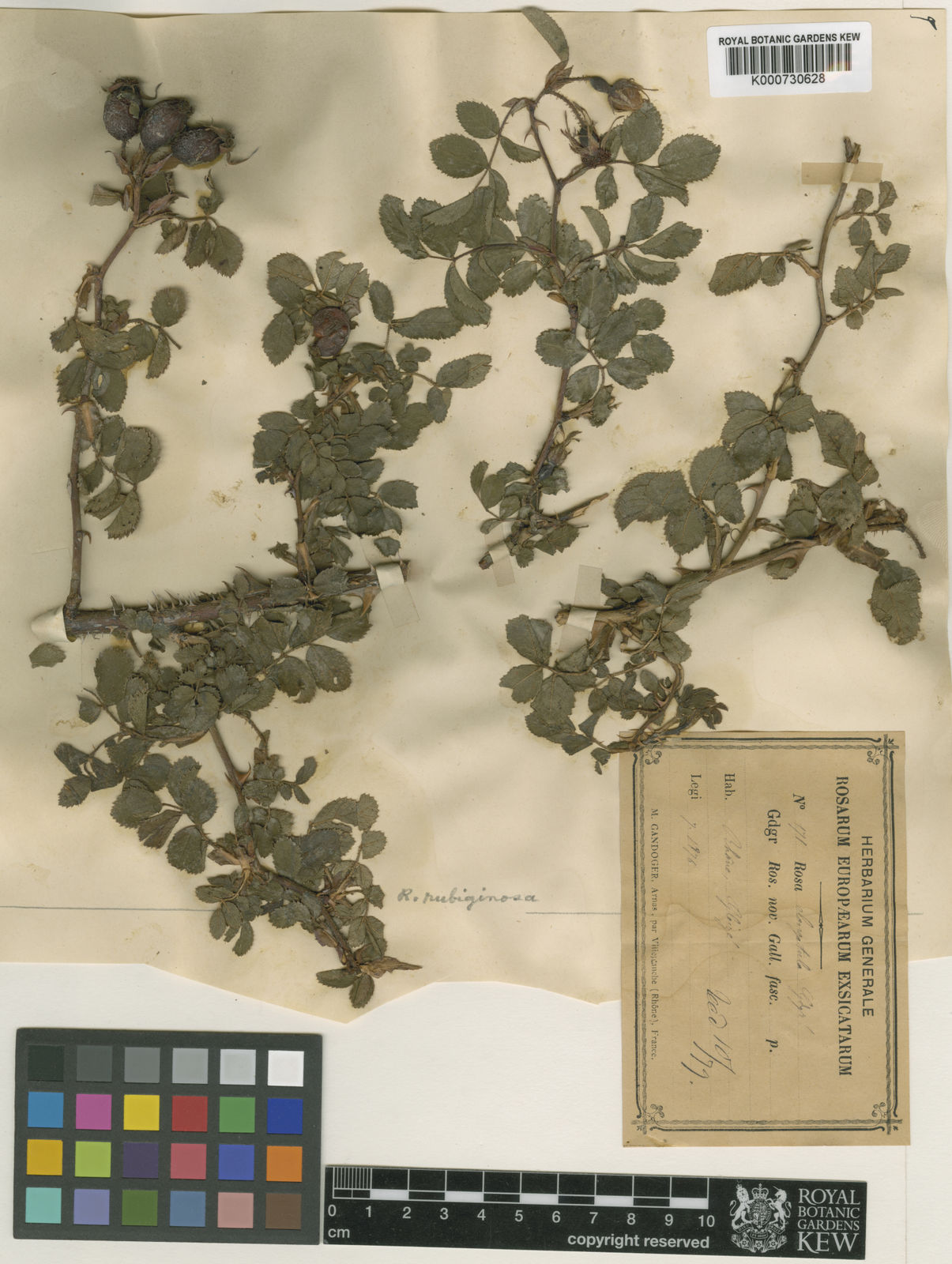
Sweet Briar Rose, Eglantine Rose
rosa rubiginosa
Also known as: ["Sweetbriar Rose","Eglantine","Rose Eglantine"]
Overview
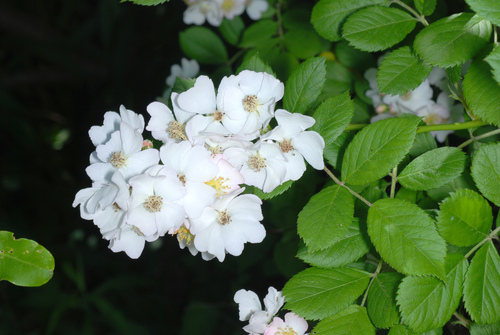
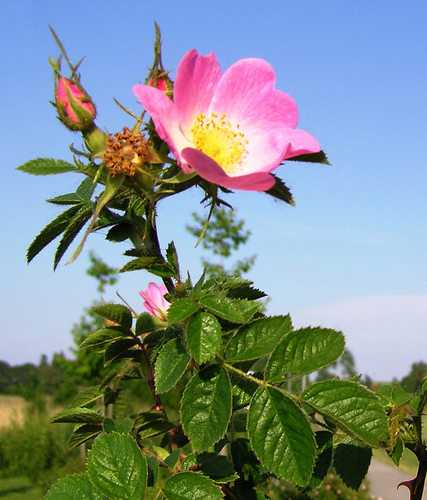
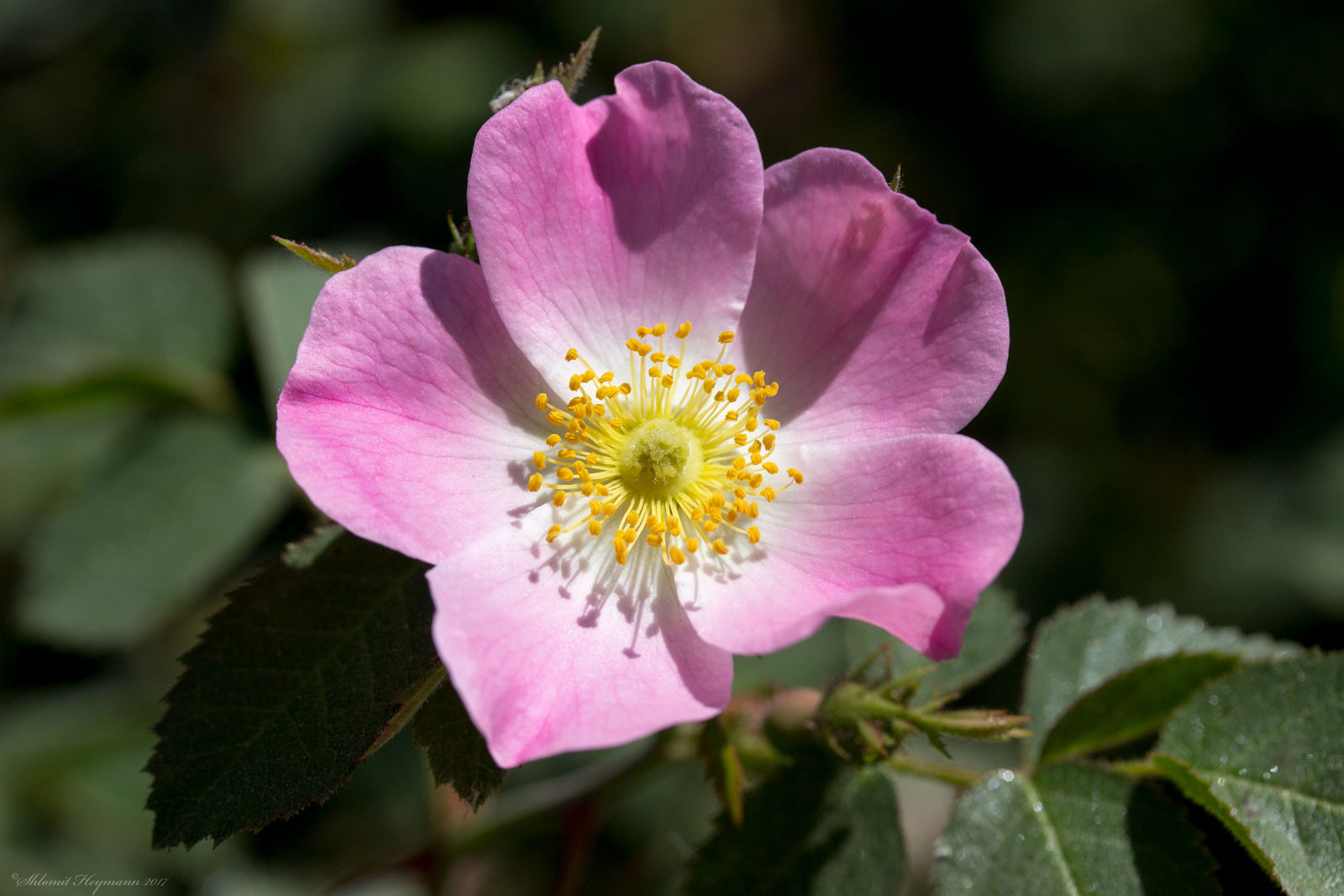
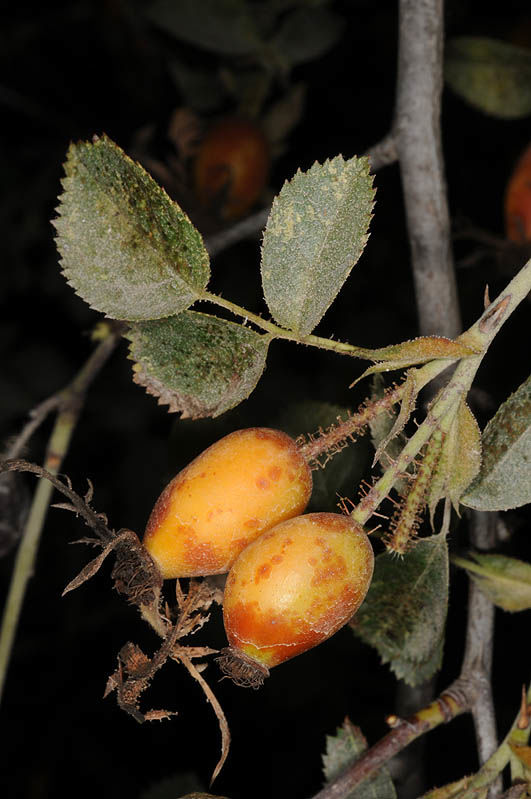
A deciduous shrub rose with fragrant pink flowers and small red hips, known for its sweet apple-like scent from its leaves.
Benefits & Perks
["fragrant flowers","wildlife attractant (bees, butterflies, birds)","aesthetic foliage","edible fruits"]
Botanical Classification
| Phylum: | Magnoliophyta |
| Class: | Magnoliopsida |
| Order: | Rosales |
| Family: | Rosaceae |
| Genus: | Rosa |
| Botanical Name: | Rosa rubiginosa |
Plant Characteristics
Basic Information
- Category: Flowers
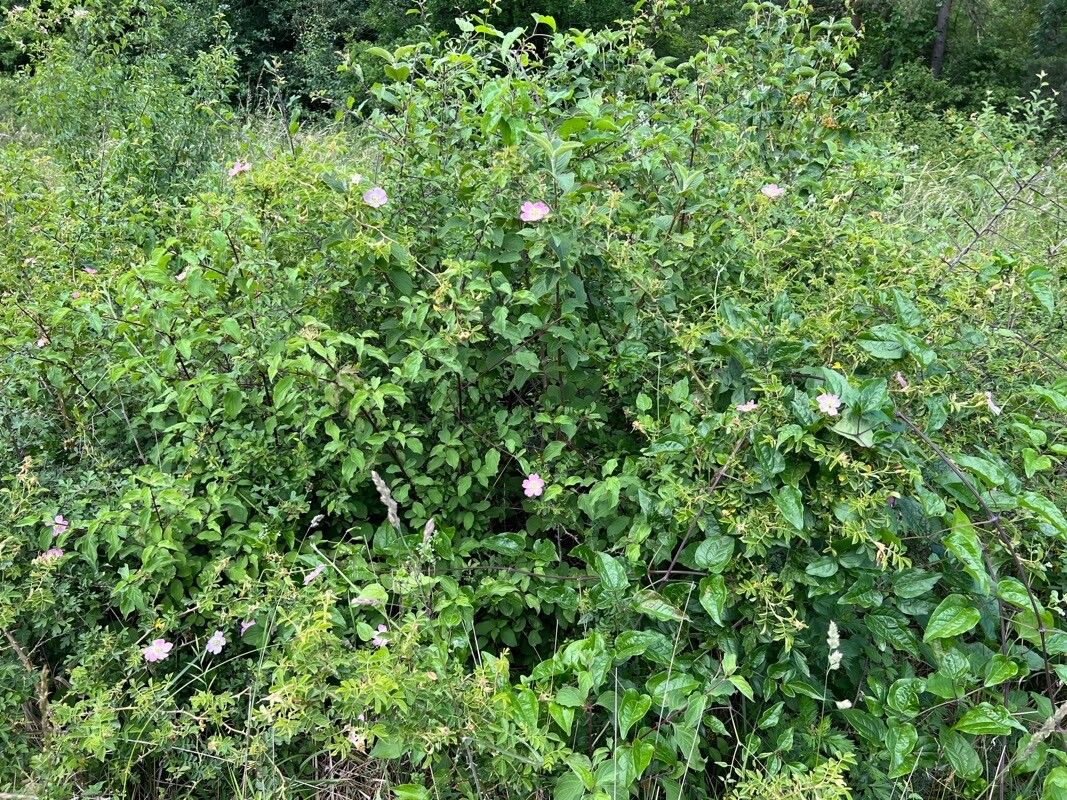
- Suitable Location: garden border, hedge, or mixed shrubbery
- Suitable For:
- Is Weed: No
- Allergenicity: low
Environmental Needs
- Climate: {"temperatureRange":"–15–35°C"}
- Hardiness: {"zones":"4–8"}
- Misting: rarely required, only if ambient humidity is very low
- Drainage: Well-draining to avoid waterlogged conditions, which can cause root rot.
- Soil Type: Rich, loamy soil with good organic matter content. Well-draining but moisture-retentive.
Maintenance Level
- Maintenance Level: moderate
- Toughness Level: moderate
- Pruning Frequency: Annually in late winter or early spring before new growth starts. Light pruning can be done after flowering if needed.
- Pruning Intensity: Moderate to heavy, depending on the plant's age and condition. Young plants require less aggressive
Care Details
Ideal Sunlight Coverage:
Full sun (6–8 hours/day) is ideal, though partial shade is acceptable in hot climates. Adjust exposure seasonally to prevent scorching.
Sunlight Tolerance Tips:
Acclimate plants gradually to intense sunlight. Protect from harsh afternoon sun in hot regions. Indoor plants need bright, indirect light if moved outside.
Care Requirements
Care Difficulty
moderatemoderate
Sunlight
full sun to partial shade
Rotate plant for even growth; use shade cloth in extreme heat; morning sun is preferable to afternoon sun.
Watering
every 7–10 days during active growth, reduce in winter
Water thoroughly until runoff, allow soil to dry slightly between waterings, and avoid overhead watering to prevent fungal issues.
Soil
well-drained, fertile loam with good organic matter
pH: Slightly acidic to neutral (pH 6.0–7.0).
Ensure good drainage; amend with organic matter; test pH periodically; avoid compacted soil.
Temperature
Prefers 60–75°F (15–24°C) during active growth. Tolerates cooler temperatures but may go dormant below 50°F (10°C).
Avoid sudden temperature shifts; protect from frost; ensure good air flow in hot weather.
Fertilizing
every 4–6 weeks during spring and summer
Avoid over-fertilizing to prevent root burn; water before fertilizing to prevent salt buildup; use organic options for gentle feeding.
Propagation
Methods
Stem cuttings or hardwood cuttings are most reliable. Seeds can also be used but may result in variable traits.
Step-by-Step Propagation Guide
- Select healthy stems.
- Cut below a node.
- Remove lower leaves.
- Dip in rooting hormone.
- Plant in medium.
- Maintain humidity.
Best Time: Late winter or early spring before active growth begins for cuttings. Seeds can be sown in spring or fall.
Environment
High humidity (70–90%), warm temperatures (65–75°F/18–24°C), and indirect light for cuttings.
Medium
Well-draining mix of peat, perlite, and sand. Use a rooting medium like vermiculite for hardwood cuttings.
Hormone
Recommended for stem cuttings to improve rooting success.
Timeline
Stem cuttings may root in 4–8 weeks. Hardwood cuttings can take 2–3 months. Establishment may take a full growing season.
Tools Needed
Pruners, rooting hormone, propagation tray, humidity dome, well-draining medium.
Quick Tips
Use sharp, sterile tools; maintain consistent moisture; provide bottom heat for faster rooting.
Pruning & Repotting
Pruning Guide
Method
Cut canes back to an outward-facing bud or node. Remove old wood to encourage new growth. Thin out crowded areas for better airflow.
Pruning Plan
Remove dead, diseased, or crossing canes to improve air circulation and encourage healthy growth. Shape the plant for aesthetic appeal and productivity.
Tools
Sharp bypass pruners, loppers for thick canes, gloves, and disinfectant for tool sanitation.
Checklist
Disinfect tools; prune dead/diseased wood first; make clean cuts; remove crossing branches; shape the plant.
Repotting Guide
Best Season
Early spring before active growth begins is ideal. Avoid repotting during flowering or dormancy.
Pot Size
Increase pot size by 2–3 inches (5–7.5 cm) in diameter. Ensure the new pot has adequate drainage holes.
Method
Gently remove the plant; prune any circling roots; place in a slightly larger pot with fresh, well-draining soil; water thoroughly.
Suggestions
Repot every 2–3 years or when roots fill the container. Potted roses benefit from fresh soil and root pruning to maintain vigor.
Checklist
Choose appropriate pot size; prepare fresh soil mix; prune roots if needed; water well after repotting; place in appropriate light.
Advanced Care Tips
Watering Mastery
Watering Checklist
Check soil moisture before watering; water deeply; ensure drainage; avoid wetting foliage.
How to Apply Water Properly
Water at the base of the plant, ensuring moisture reaches the root zone. Water early in the morning to minimize evaporation and allow foliage to dry before nightfall.
Watering Schedule Tips
Water deeply once a week during active growth, reducing frequency in winter to every 2–3 weeks. Adjust based on rainfall and soil moisture.
Soil Improvement
Add compost or well-rotted manure to enhance fertility and structure. Incorporate perlite or sand for drainage.
Temperature Stress Management
Signs of Temperature Issues
Chlorosis, leaf drop, stunted growth, or bud abortion in extreme heat or cold.
Cold Stress
Low temperatures slow growth and may cause leaf drop or dormancy. Frost can damage tender tissues.
Solution: Mulch heavily in winter, protect from frost with row covers, and move potted plants to sheltered locations.
Hot Stress
Excessive heat can lead to wilting, leaf scorch, or reduced flowering due to water stress.
Solution: Provide shade during peak heat, increase watering, and ensure good air circulation to reduce stress.
Fertilizing Guide
Fertilizing Checklist
Check fertilizer type; follow dilution rates; apply during active growth; avoid late-season feeding.
Fertilizing Method
Use a balanced, slow-release fertilizer in early spring before new growth. Apply again after the first bloom cycle. Reduce or stop in late summer/fall.
Common Problems & Solutions
Toxicity Warning
Cats
Slightly ToxicThe seeds of Rosa rubiginosa contain cyanogenic glycosides, which can cause mild toxicity in cats if consumed in large amounts. The flesh of the fruit is generally safe for cats.
⚠️ Symptoms:
🌿 Toxic Parts:
⚡ Toxic If:
if eaten in large quantities
Dogs
Slightly ToxicThe seeds of Rosa rubiginosa contain cyanogenic glycosides, which can cause mild toxicity in dogs if consumed in large amounts. The flesh of the fruit is generally safe for dogs.
⚠️ Symptoms:
🌿 Toxic Parts:
⚡ Toxic If:
if eaten in large quantities
Humans
Non-toxicThe seeds of Rosa rubiginosa contain small amounts of cyanogenic glycosides, which can release cyanide when ingested in large quantities. However, the concentration is generally too low to cause significant toxicity in typical consumption.
⚠️ Symptoms:
🌿 Toxic Parts:
⚡ Toxic If:
if eaten in large quantities
Frequently Asked Questions
Q: Is Rosa rubiginosa suitable for wildlife gardens?
A: Yes, it attracts bees, butterflies, and birds with its flowers and hips.
Q: Are the hips of Rosa rubiginosa edible?
A: Yes, the hips are edible and rich in vitamin C.
Q: How should Rosa rubiginosa be pruned?
A: Prune in late winter or early spring, removing dead or weak stems and shaping the plant.
Quick Reference
| Family: | Rosaceae |
| Care: | moderate |
| Light: | full sun to partial shade |
| Water: | every 7–10 days during activ |
Get Expert Care Tips
Download the Plantious app for personalized care reminders and plant identification!
Google Play App Store