Kentucky Bluegrass
poa pratensis
Also known as: ["Common Bluegrass","June Grass"]
Overview
A cool-season perennial grass species widely used for lawns, pastures, and sports fields due to its attractive appearance and durability.
Benefits & Perks
["drought tolerant","shade tolerant","wildlife attractant (bees, butterflies, birds)"]
Botanical Classification
| Phylum: | Magnoliophyta |
| Class: | Liliopsida |
| Order: | Poales |
| Family: | Poaceae |
| Genus: | Poa |
| Botanical Name: | Poa pratensis |
Plant Characteristics
Basic Information
- Category: Grasses
- Suitable Location: lawn, meadow, or pasture in temperate regions
- Suitable For:
- Is Weed: No
- Allergenicity: moderate
Environmental Needs
- Climate: {"temperatureRange":"−40–30°C"}
- Hardiness: {"zones":"3–9"}
- Misting: rarely required
- Drainage: Well-draining to moderately draining; avoid waterlogged conditions.
- Soil Type: Loamy, fertile soil with good organic matter; well-draining but moisture-retentive.
Maintenance Level
- Maintenance Level: moderate
- Toughness Level: moderate
- Pruning Frequency: Annually in late winter or early spring; as needed for patch repair.
- Pruning Intensity: Moderate; remove 1/3 of thatch if excessive; overseed bare patches.
Care Details
Ideal Sunlight Coverage:
Full sun (6–8 hours/day) in cooler climates; partial shade in hot regions; adjust for seasonal light intensity.
Sunlight Tolerance Tips:
Acclimate plants gradually to intense sunlight; avoid sudden exposure to prevent scorching; provide shade during peak summer heat.
Care Requirements
Care Difficulty
easymoderate
Sunlight
full sun to partial shade
Monitor for leaf scorch; adjust shade cloth if needed; rotate pots for even light exposure.
Watering
every 7–14 days, depending on rainfall and temperature
Water early morning to minimize evaporation; ensure soil is moist but not waterlogged; avoid frequent shallow watering.
Soil
well-drained, fertile loam with pH 5.8–7.0
pH: Slightly acidic to neutral (pH 5.8–7.0).
Test soil pH annually; amend with compost yearly; ensure good drainage to prevent root rot.
Temperature
Optimal range 60–75°F (15–24°C); prefers cool climates; may go dormant in extreme heat or cold.
Protect from frost; avoid sudden temperature swings; adjust watering for heat/cold.
Fertilizing
every 4–6 weeks during active growth (spring and fall)
Test soil before fertilizing; apply evenly around root zone; water lightly after application.
Propagation
Methods
Seeds or sod; vegetative propagation via plugs or division.
Step-by-Step Propagation Guide
- Prepare soil.
- Sow seeds or lay sod.
- Water gently.
- Maintain consistent moisture.
- Mow lightly once established.
Best Time: Early spring or fall for seeds; late spring for sod or plugs.
Environment
Warm, moist conditions for seeds; full sun for establishment; protect from extreme weather.
Medium
Loamy soil with good drainage; may add compost for seed germination.
Hormone
Not typically needed for seeds; rooting hormone optional for vegetative propagation.
Timeline
Seeds: 2–4 weeks for germination; sod/plugs: establish in 2–4 weeks.
Tools Needed
Rake, watering can, seed spreader, lawn roller (for sod).
Quick Tips
Keep seedbed consistently moist; avoid compacting soil with sod; mow high initially to encourage root growth.
Pruning & Repotting
Pruning Guide
Method
Dethatching with rake or machine; overseeding bare areas; topdressing with compost.
Pruning Plan
Focus on maintaining density and health; remove dead or diseased patches; aerate soil to improve growth.
Tools
Dethatching rake, core aerator, lawn mower (set high).
Checklist
Check for thatch buildup; aerate compacted soil; overseed bare spots; fertilize after pruning.
Repotting Guide
Best Season
Early spring before active growth.
Pot Size
One size larger pot; ensure adequate drainage holes.
Method
Remove plant gently; trim roots if needed; use fresh, well-draining soil; ensure proper drainage.
Suggestions
Not typically repotted; if in containers, repot every 2–3 years to refresh soil.
Checklist
Inspect root health; trim damaged roots; use fresh soil mix; water lightly after repotting.
Advanced Care Tips
Watering Mastery
Watering Checklist
Check soil moisture before watering; water early morning; ensure proper drainage; adjust frequency seasonally.
How to Apply Water Properly
Water the root zone thoroughly until runoff occurs, ensuring even saturation; allow water to penetrate 6–8 inches deep; avoid wetting foliage to prevent disease.
Watering Schedule Tips
Water deeply 1–2 times per week during active growth, reducing frequency in winter; adjust based on rainfall and soil moisture retention.
Soil Improvement
Add compost or organic matter for fertility; use sand or perlite for drainage; topdress with peat moss for pH adjustment.
Temperature Stress Management
Signs of Temperature Issues
Yellowing or browning leaves in heat; stunted growth or browning in cold; wilting or leaf drop in stress.
Cold Stress
Growth slows or halts; roots may freeze in poorly insulated soil; leaves may turn brown or purple.
Solution: Apply mulch for insulation; avoid overwatering in cold; move containers to sheltered areas; use frost cloth if needed.
Hot Stress
Wilting despite soil moisture; leaf scorch; reduced vigor; potential dormancy in extreme heat.
Solution: Provide shade during peak heat; increase watering frequency; ensure good air circulation; water early morning.
Fertilizing Guide
Fertilizing Checklist
Check soil pH; follow label instructions; avoid contact with foliage; water after fertilizing.
Fertilizing Method
Use balanced slow-release fertilizer in early spring and fall; avoid high-nitrogen formulas; reduce or stop in winter.
Common Problems & Solutions
Toxicity Warning
Cats
Non-toxicPoa pratensis is not considered toxic to cats. It is a common grass species and is not known to cause poisoning in felines when ingested in typical amounts.
⚡ Toxic If:
Generally non-toxic
Dogs
Non-toxicPoa pratensis is not considered toxic to dogs. It is a common grass species and is not known to cause poisoning in canines when ingested in typical amounts.
⚡ Toxic If:
Generally non-toxic
Humans
Non-toxicPoa pratensis, commonly known as Kentucky bluegrass, is generally considered non-toxic to humans. It is a common lawn grass and is not known to cause adverse effects when ingested in small quantities.
⚡ Toxic If:
Generally non-toxic
Frequently Asked Questions
Q: Is Kentucky Bluegrass suitable for shady areas?
A: Yes, it tolerates partial shade but prefers full sun for optimal growth.
Q: How often should Kentucky Bluegrass be watered?
A: It requires regular watering, especially during dry periods, but is moderately drought-tolerant once established.
Q: Does Kentucky Bluegrass spread quickly?
A: Yes, it spreads through rhizomes, creating a dense turf over time.
Quick Reference
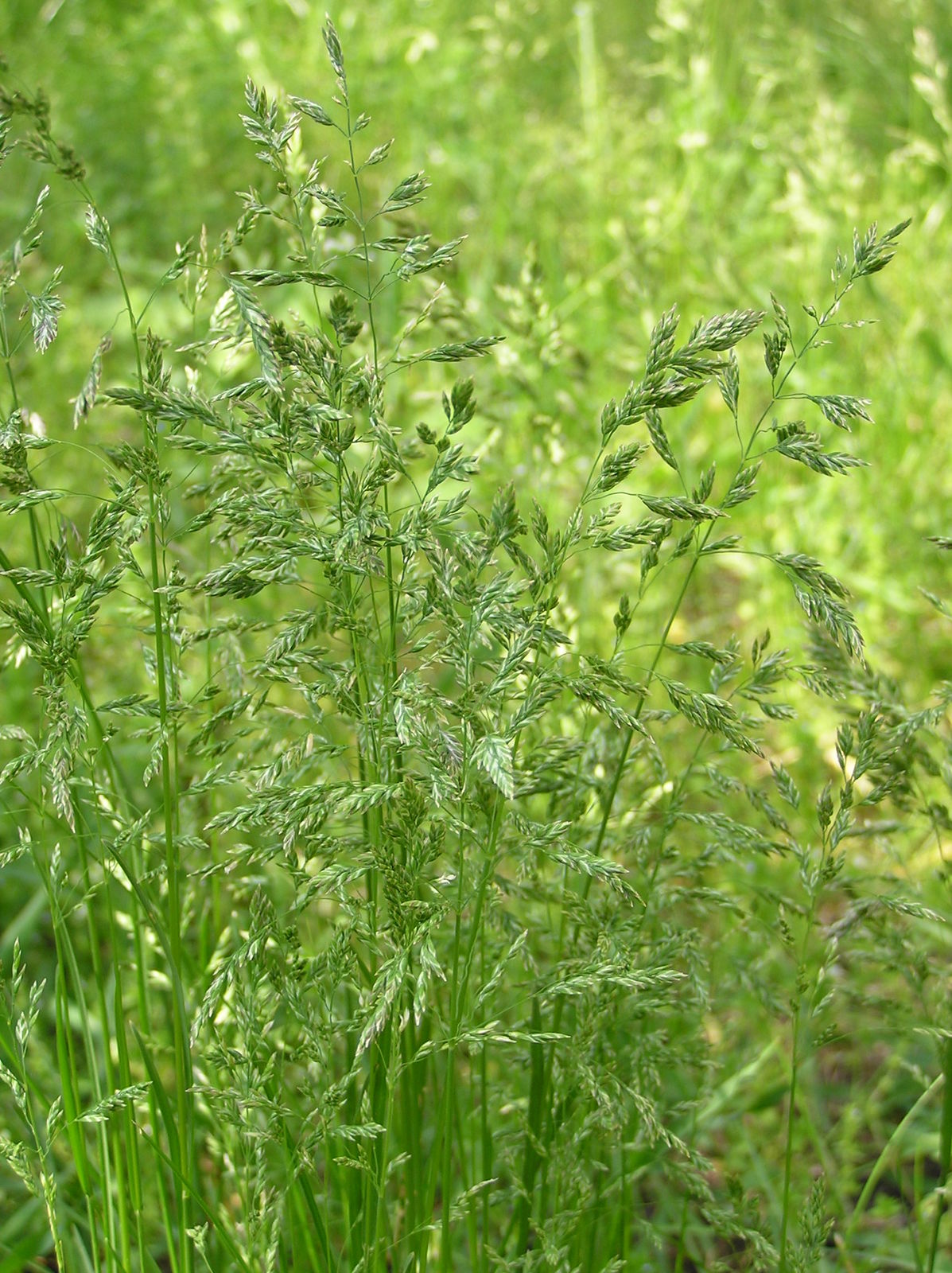
| Family: | Poaceae |
| Care: | easy |
| Light: | full sun to partial shade |
| Water: | every 7–14 days, depending o |
Get Expert Care Tips
Download the Plantious app for personalized care reminders and plant identification!
Google Play App Store