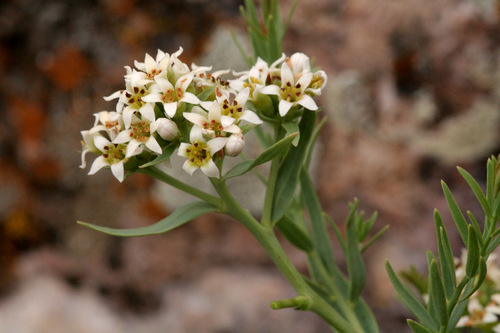
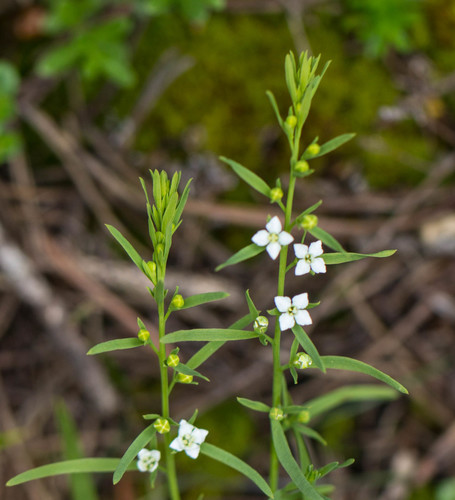
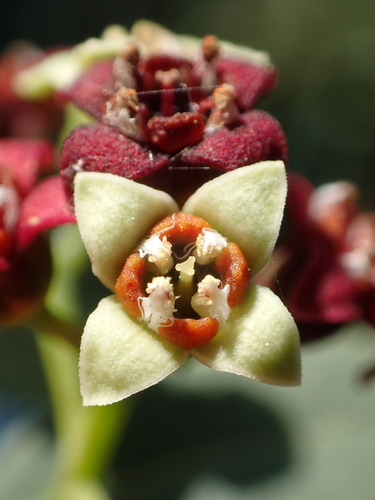
Mistletoe
viscum album
Also known as: ["European mistletoe","common mistletoe"]
Overview
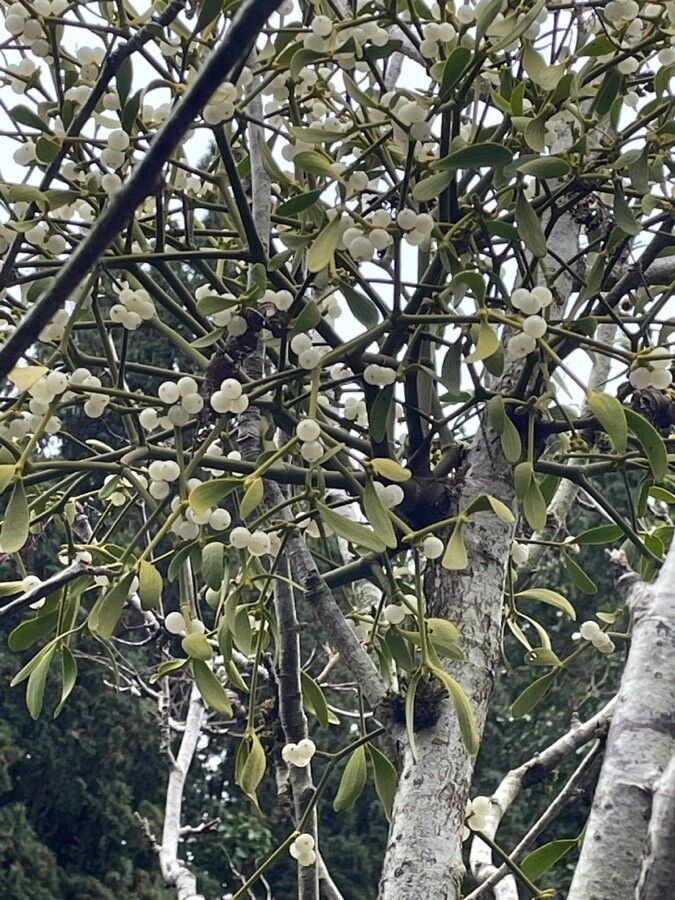
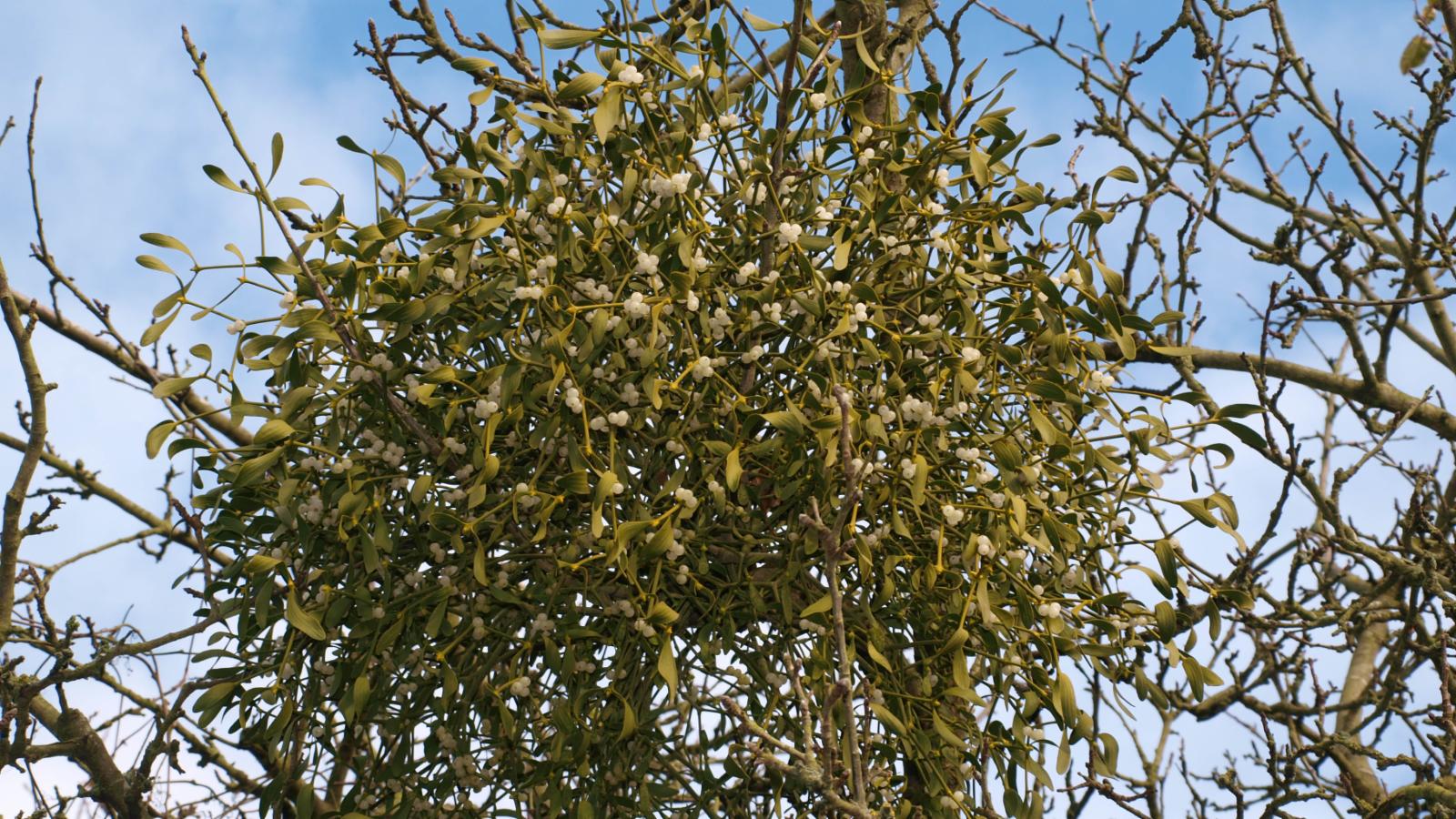
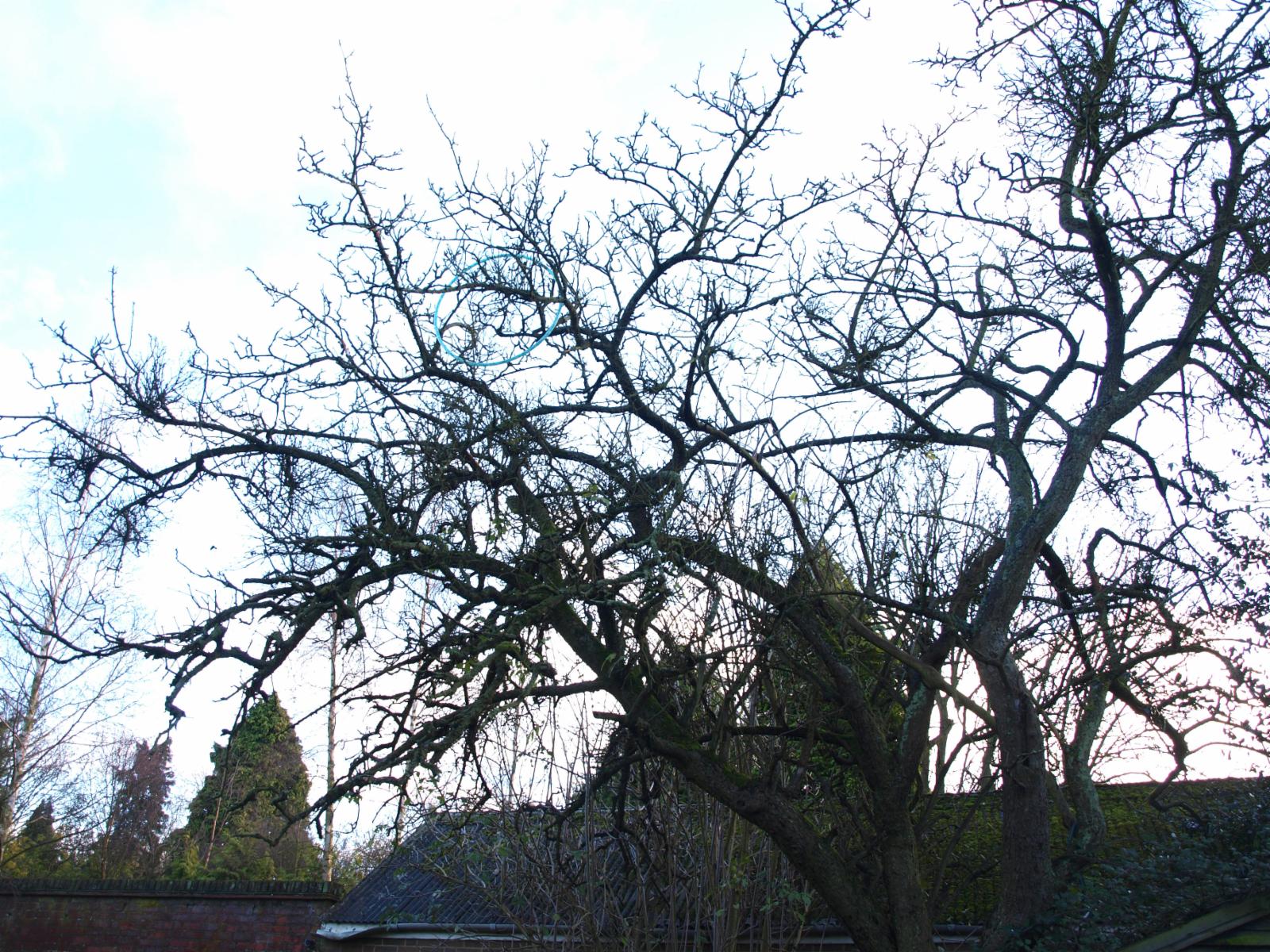
A hemiparasitic plant that grows on the branches of trees, known for its white berries and cultural significance during winter holidays.
Benefits & Perks
["wildlife attractant (bees, butterflies, birds)"]
Botanical Classification
| Phylum: | Magnoliophyta |
| Class: | Magnoliopsida |
| Order: | Santalales |
| Family: | Santalaceae |
| Genus: | Viscum |
| Botanical Name: | Viscum album |
Plant Characteristics
Basic Information
- Category: Herbs & Weeds
- Suitable Location: on deciduous or coniferous host trees, particularly oak, apple, and pine
- Suitable For:
- Is Weed: No
- Allergenicity: low
Environmental Needs
- Climate: {"temperatureRange":"0–30°C"}
- Hardiness: {"zones":"6–9"}
- Misting: rarely required, as it is adapted to humid conditions near host plants
- Drainage: Fast-draining to prevent waterlogging.
- Soil Type: Well-draining, slightly acidic soil with organic matter; can use cactus mix with added peat.
Maintenance Level
- Maintenance Level: very high
- Toughness Level: very low
- Pruning Frequency: As needed, typically annually or when maintenance is required.
- Pruning Intensity: Light pruning; remove only dead, damaged, or unwanted growth.
Care Details
Ideal Sunlight Coverage:
Low to medium indirect light; tolerates shade; avoid direct sunlight.
Sunlight Tolerance Tips:
Acclimate slowly to brighter light if needed; protect from harsh direct sun; suitable for shaded indoor or outdoor spots.
Care Requirements
Care Difficulty
expert onlychallenging
Sunlight
partial shade, often found on host trees in forest understories
Avoid direct sun; prefers shade; adjust based on season.
Watering
infrequently, only when soil is completely dry, typically every 2–4 weeks
Water only when soil is fully dry; avoid overwatering; ensure excellent drainage.
Soil
not applicable, as it is a parasitic plant growing on host trees
pH: Slightly acidic (pH 5.5–6.5).
Ensure fast drainage; maintain slight acidity; avoid heavy soils.
Temperature
Thrives in cool to moderate temperatures (50–70°F or 10–21°C); tolerates cooler conditions but avoids frost.
Keep cool; avoid frost; protect from extreme heat.
Fertilizing
rarely, if ever, as it is a parasitic plant deriving nutrients from host
Use weak fertilizer; feed only in growing season; less is more.
Propagation
Methods
Primarily by seed or layering; stem cuttings are less common and challenging.
Step-by-Step Propagation Guide
- Prepare medium.
- Plant seeds or cuttings.
- Maintain humidity.
- Wait for roots.
Best Time: Spring or early summer when the plant is actively growing.
Environment
Warm, humid, and shaded environment with indirect light.
Medium
Well-draining soil mix with added organic matter; can use sphagnum moss for seeds.
Hormone
Not typically required for seeds; rooting hormone may help with cuttings.
Timeline
Seeds may take several months to germinate; cuttings can root in 4–8 weeks.
Tools Needed
Sharp knife, rooting hormone (optional), pots, well-draining soil mix.
Quick Tips
Be patient with germination; maintain consistent moisture; provide warmth.
Pruning & Repotting
Pruning Guide
Method
Use clean cuts; remove small sections; avoid heavy pruning.
Pruning Plan
Minimal pruning; focus on removing dead or diseased parts to maintain health.
Tools
Pruning shears, sterilized knife.
Checklist
Identify dead/diseased parts; sterilize tools; prune carefully; dispose of clippings.
Repotting Guide
Best Season
Spring, before active growth begins.
Pot Size
Use a pot only slightly larger than the current one; ensure good drainage.
Method
Gently remove plant; trim roots if necessary; repot in fresh, well-draining soil.
Suggestions
Generally not required; repot only if the plant is root-bound or soil is depleted.
Checklist
Check root health; prepare new pot; use fresh soil; water lightly after repotting.
Advanced Care Tips
Watering Mastery
Watering Checklist
Check soil dryness; water deeply; ensure drainage; reduce in winter.
How to Apply Water Properly
Water deeply at the root zone, ensuring moisture reaches the base but avoiding waterlogging; water in the morning to allow foliage to dry.
Watering Schedule Tips
Water sparingly, allowing soil to dry completely between infrequent waterings; reduce further in winter dormancy.
Soil Improvement
Add perlite or sand for drainage; incorporate organic matter like peat or compost.
Temperature Stress Management
Signs of Temperature Issues
Leaf drop, stunted growth, or browning edges in extreme heat or cold.
Cold Stress
Slows growth, may cause leaf drop or dieback if exposed to freezing temperatures.
Solution: Protect from frost; move indoors in winter; ensure temperatures stay above freezing.
Hot Stress
Leaves may wilt, scorch, or drop in excessive heat; growth may stagnate.
Solution: Provide shade; increase humidity; ensure adequate ventilation; water carefully.
Fertilizing Guide
Fertilizing Checklist
Check growth phase; dilute fertilizer; apply sparingly; avoid winter.
Fertilizing Method
Fertilize sparingly with a balanced, diluted liquid fertilizer during active growth (spring/summer); avoid winter feeding.
Common Problems & Solutions
Toxicity Warning
Cats
ToxicCats are particularly sensitive to the toxins in Viscum album. Ingestion can result in severe gastrointestinal and systemic effects due to viscotoxins and lectins, which disrupt normal cellular processes.
⚠️ Symptoms:
🌿 Toxic Parts:
⚡ Toxic If:
if eaten
Dogs
ToxicIn dogs, ingestion of Viscum album can lead to gastrointestinal upset and systemic toxicity due to the presence of viscotoxins and lectins. These compounds can cause severe physiological stress.
⚠️ Symptoms:
🌿 Toxic Parts:
⚡ Toxic If:
if eaten
Humans
ToxicViscum album, commonly known as European mistletoe, contains viscotoxins and lectins that can cause significant physiological disturbances upon ingestion. These compounds interfere with cellular functions and can lead to systemic toxicity.
⚠️ Symptoms:
🌿 Toxic Parts:
⚡ Toxic If:
if eaten
Frequently Asked Questions
Q: Is mistletoe toxic to humans?
A: Yes, Viscum album is toxic to humans if ingested.
Q: How does mistletoe grow?
A: It is a hemiparasitic plant that attaches to and derives nutrients from host trees.
Q: What is the cultural significance of mistletoe?
A: It is traditionally used in winter holiday celebrations, often hung for kissing beneath.
Quick Reference
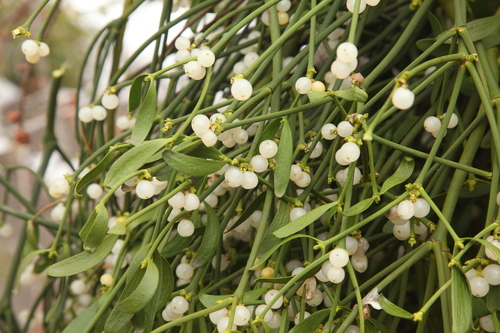

| Family: | Santalaceae |
| Care: | expert only |
| Light: | partial shade, often found on |
| Water: | infrequently, only when soil i |
Get Expert Care Tips
Download the Plantious app for personalized care reminders and plant identification!
Google Play App Store