Great Yellow Gentian
gentiana lutea
Also known as: ["Yellow Gentian","Bitterwort"]
Overview
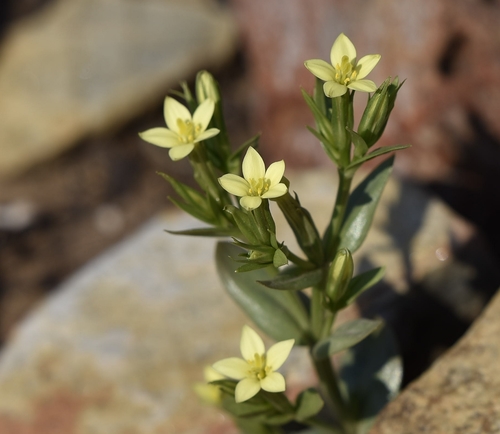
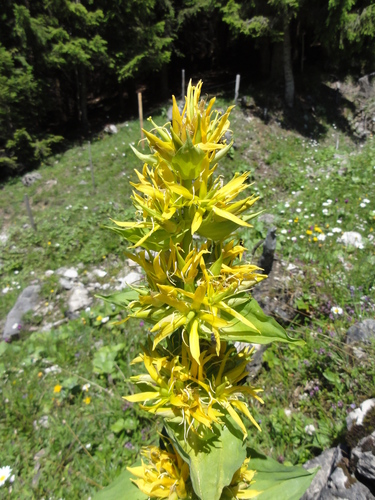
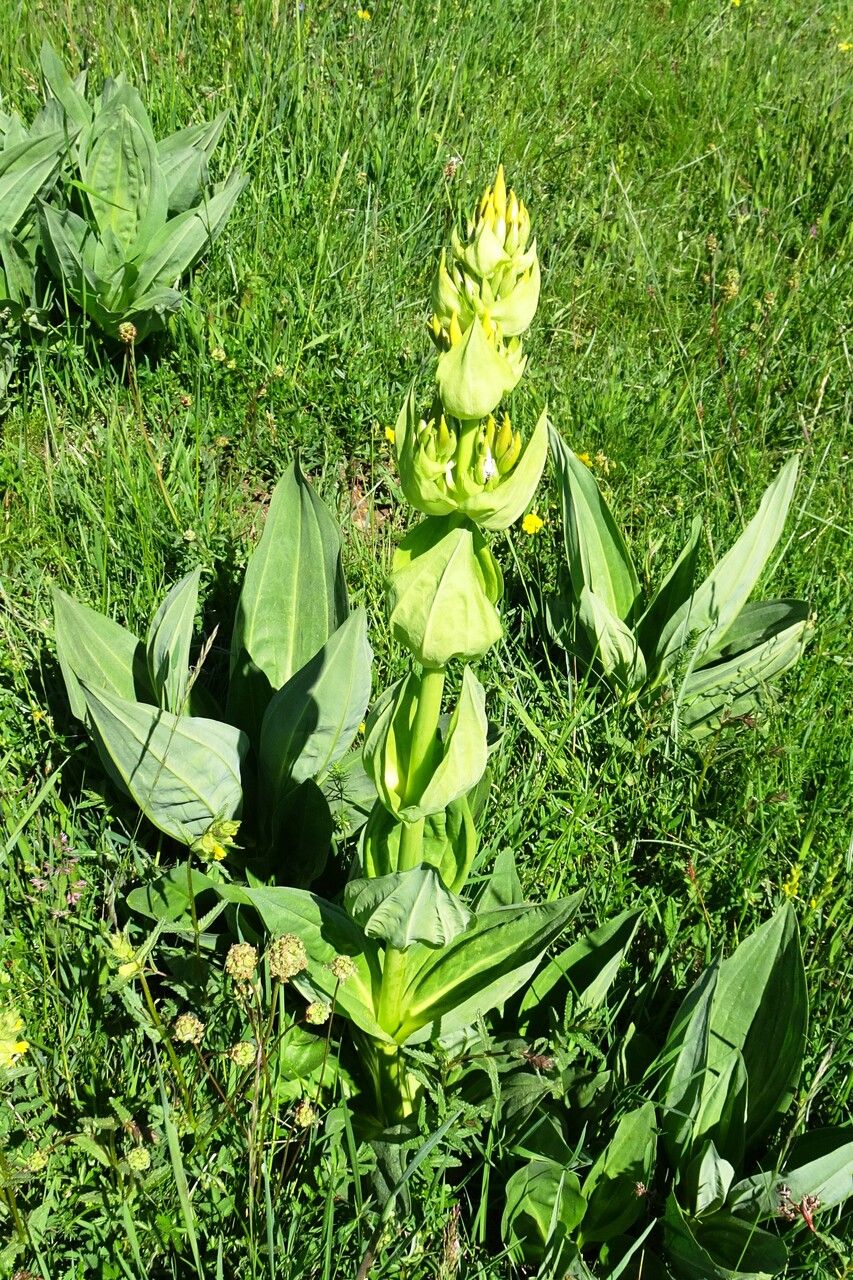
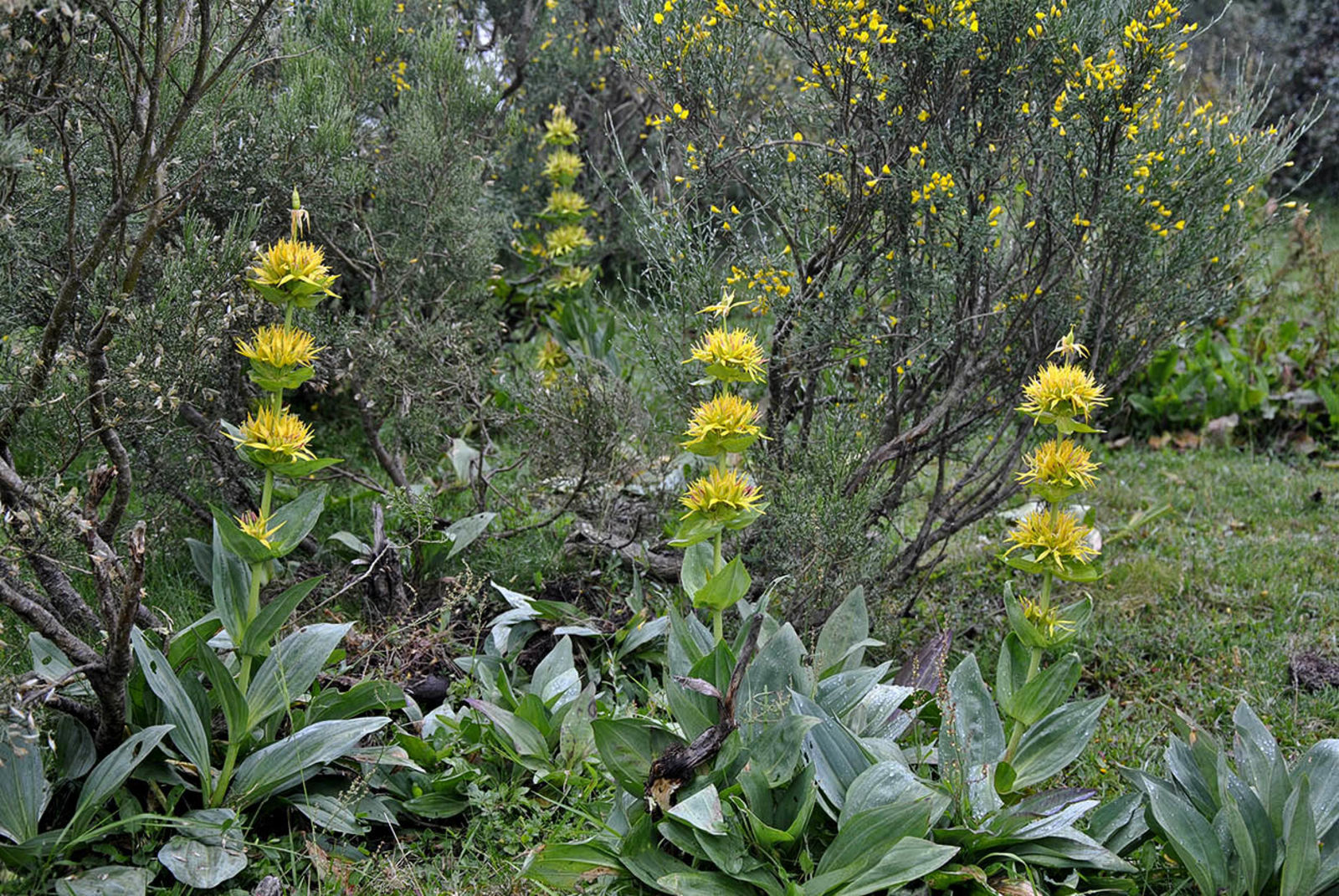
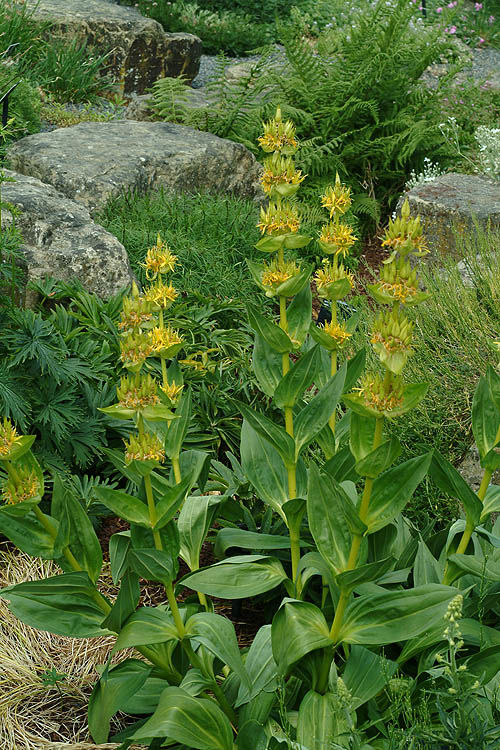
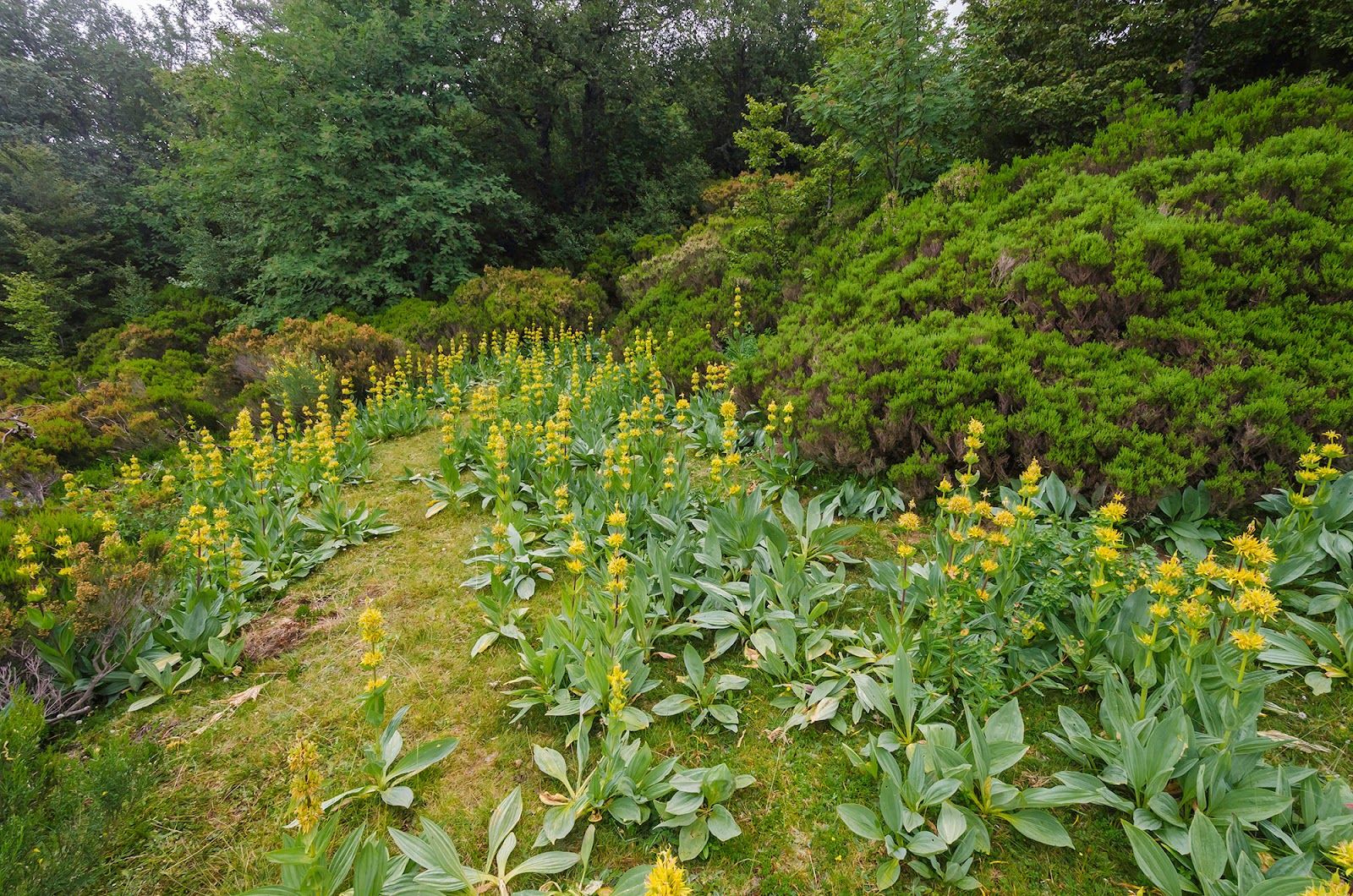
A large herbaceous perennial with striking yellow flowers and deeply lobed leaves, native to the mountains of Europe.
Benefits & Perks
["medicinal use","aesthetic foliage","rare/collector’s item"]
Botanical Classification
| Phylum: | Magnoliophyta |
| Class: | Magnoliopsida |
| Order: | Gentianales |
| Family: | Gentianaceae |
| Genus: | Gentiana |
| Botanical Name: | Gentiana lutea |
Plant Characteristics
Basic Information
- Category: Herbs & Weeds
- Suitable Location: garden bed in a sheltered spot, prefers cooler climates
- Suitable For:
- Is Weed: No
- Allergenicity: low
Environmental Needs
- Climate: {"temperatureRange":"–15–30°C"}
- Hardiness: {"zones":"4–8"}
- Misting: rarely required, only if ambient humidity is very low
- Drainage: Well-draining to fast-draining; avoid heavy clay soils.
- Soil Type: Rich, loamy soil with good organic matter; well-draining to prevent waterlogging.
Maintenance Level
- Maintenance Level: moderate
- Toughness Level: moderate
- Pruning Frequency: As needed, typically in late winter or early spring.
- Pruning Intensity: Light to moderate; avoid heavy pruning unless rejuvenation is required.
Care Details
Ideal Sunlight Coverage:
Full sun to partial shade (4–6 hours of direct sunlight daily); tolerates light shade in hot climates.
Sunlight Tolerance Tips:
Acclimate plants gradually to intense sunlight; protect from harsh afternoon sun in hot regions; ensure adequate air circulation to prevent scorching.
Care Requirements
Care Difficulty
moderatemoderate
Sunlight
full sun to partial shade
Morning sun is ideal; provide shade during peak heat; rotate pots for even light exposure.
Watering
every 7–10 days during growing season, reduce in winter
Water thoroughly but infrequently to encourage deep roots; ensure soil dries slightly between waterings; avoid waterlogging.
Soil
well-drained, rich, alkaline to neutral soil
pH: Slightly acidic to neutral (pH 6.0–7.0).
Ensure soil is loose and airy; avoid compacted soil; maintain consistent moisture levels.
Temperature
Prefers cool to moderate temperatures (60–75°F or 15–24°C); thrives in alpine-like conditions with cool nights.
Protect from frost; ensure good air circulation; avoid sudden temperature fluctuations.
Fertilizing
every 4–6 weeks during active growth with balanced liquid fertilizer
Fertilize sparingly; apply before new growth emerges; stop feeding in autumn.
Propagation
Methods
Seed or root division; seeds require stratification for germination.
Step-by-Step Propagation Guide
- Collect seeds in autumn.
- Stratify for 3 months.
- Sow shallowly.
- Divide roots in spring.
- Replant divisions immediately.
Best Time: Spring for root division; autumn for seed sowing (after cold stratification).
Environment
Cool, humid conditions for seeds; warm, shaded spot for root division.
Medium
Well-draining seed starting mix or sandy loam for root division.
Hormone
Not typically required for root division; optional for seeds to encourage germination.
Timeline
Seeds may take 1–2 years to germinate; root division establishes in 1 season.
Tools Needed
Pruners, trowel, seed trays, plastic wrap for humidity.
Quick Tips
Stratify seeds before sowing; divide roots when the plant is dormant; keep seedlings consistently moist.
Pruning & Repotting
Pruning Guide
Method
Trim back old leaves; remove spent flower stalks; thin overcrowded growth.
Pruning Plan
Minimal pruning needed; focus on removing dead or damaged foliage to maintain plant health.
Tools
Pruners, gloves, disinfectant for tools.
Checklist
Disinfect tools; prune dead/damaged parts; avoid cutting into healthy growth.
Repotting Guide
Best Season
Early spring before new growth begins.
Pot Size
Increase pot size by 2–3 inches in diameter; ensure the new pot has drainage holes.
Method
Remove plant gently; trim roots if necessary; replant in fresh, well-draining soil; ensure good drainage.
Suggestions
Repot every 2–3 years or when roots fill the container; beneficial for mature plants to refresh soil.
Checklist
Prepare new pot; trim roots if crowded; use fresh soil mix; water lightly after repotting.
Advanced Care Tips
Watering Mastery
Watering Checklist
Check soil moisture before watering; water deeply; ensure drainage; avoid wetting foliage.
How to Apply Water Properly
Water at the base of the plant, ensuring moisture reaches the root zone; water early in the day to minimize evaporation; allow excess water to drain away.
Watering Schedule Tips
Water deeply once a week during active growth, reducing frequency in winter; adjust based on rainfall and soil moisture retention.
Soil Improvement
Add compost or well-rotted manure; incorporate perlite or sand for drainage; ensure organic matter is well-mixed.
Temperature Stress Management
Signs of Temperature Issues
Wilting, yellowing leaves, stunted growth, or leaf burn in extreme heat; leaf drop or root rot in cold, wet conditions.
Cold Stress
Low temperatures can cause root damage or dormancy; prolonged frost may lead to tissue damage if not protected.
Solution: Mulch heavily around the base; provide frost protection in winter; avoid overwatering in cold weather.
Hot Stress
Excessive heat can lead to leaf scorch, wilting, and reduced flowering; may go dormant if conditions are too hot and dry.
Solution: Provide afternoon shade; increase watering frequency; use mulch to retain soil moisture.
Fertilizing Guide
Fertilizing Checklist
Use diluted fertilizer; apply to moist soil; avoid contact with foliage.
Fertilizing Method
Use a balanced, slow-release fertilizer in early spring; avoid high-nitrogen formulas; reduce feeding in late summer.
Common Problems & Solutions
Toxicity Warning
Cats
Slightly ToxicCats may experience mild gastrointestinal distress if they consume parts of Gentiana lutea, particularly the roots and rhizomes. The plant's active compounds can cause irritation to the digestive system, resulting in symptoms such as vomiting or diarrhea.
⚠️ Symptoms:
🌿 Toxic Parts:
⚡ Toxic If:
if eaten
Dogs
Slightly ToxicThe roots and rhizomes of Gentiana lutea can cause mild gastrointestinal upset in dogs if ingested. The plant's bitter compounds may irritate the digestive tract, leading to discomfort and potential vomiting or diarrhea.
⚠️ Symptoms:
🌿 Toxic Parts:
⚡ Toxic If:
if eaten
Humans
Slightly ToxicGentiana lutea contains bitter compounds, primarily gentiopicrin and amarogentin, which can cause gastrointestinal irritation when ingested in large quantities. The plant has been historically used in traditional medicine for its digestive and anti-inflammatory properties, but excessive consumption may lead to adverse effects.
⚠️ Symptoms:
🌿 Toxic Parts:
⚡ Toxic If:
if eaten
Frequently Asked Questions
Q: Is Gentiana lutea safe for human consumption?
A: It is mildly toxic if ingested in large quantities but has been used traditionally in small doses for medicinal purposes.
Q: How tall does Gentiana lutea grow?
A: It can reach up to 2 meters in height with a spread of about 1 meter.
Q: Does Gentiana lutea require full sun?
A: Yes, it thrives in full sun to partial shade and prefers well-drained soil.
Quick Reference
| Family: | Gentianaceae |
| Care: | moderate |
| Light: | full sun to partial shade |
| Water: | every 7–10 days during growi |
Get Expert Care Tips
Download the Plantious app for personalized care reminders and plant identification!
Google Play App Store