Introduction
Most succulents can be identified at home by looking for a few reliable cues: areoles (cactus or not), overall form (rosette, columnar, trailing), leaf surface (powdery farina, hairs, spines), and distinct traits like translucent “windows”. Use the sections below to narrow yours down, then confirm with a database or an AI plant ID app.
1) Cactus or not? Look for areoles
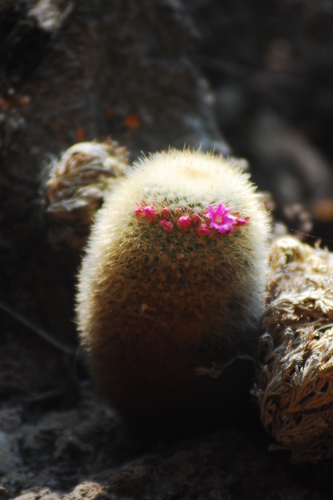
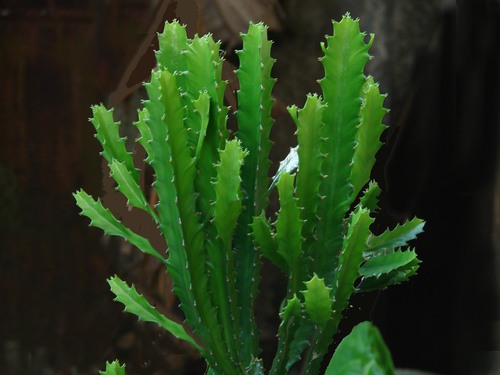
True cacti have areoles—tiny cushion pads where spines, glochids, or flowers emerge (e.g., Mammillaria spinosissima). Euphorbias often look cactus-like but lack areoles and exude milky latex when cut (e.g., Euphorbia trigona).
Know More: Cactus vs Euphorbia — Areoles & Safe Identification2) Rosette shape cues
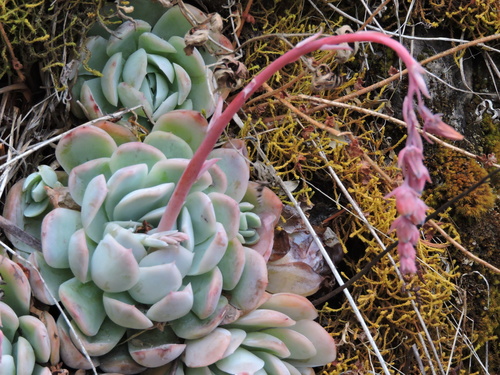
Flat, flower-like rosettes often indicate Echeveria (e.g., Echeveria elegans) with smooth or powdery leaves, while upright, banded rosettes suggest Haworthiopsis fasciata (zebra haworthia). Aeonium forms rosettes on woody stems; leaves are usually less powdery than many Echeveria.
Know More: Rosette Succulents — Echeveria, Haworthia & Aeonium3) Trailing “string” types
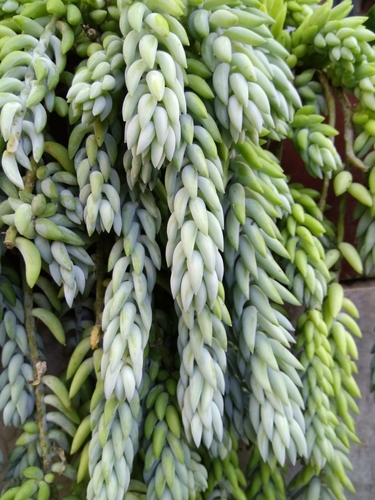
Hanging or shelf-edge trailers include Sedum morganianum (Burro’s Tail) with dense teardrop leaves that fall easily, and Curio rowleyanus (String of Pearls) with beadlike spheres showing a fine translucent “window”.
Know More: Trailing Succulents — Burro’s Tail vs String of Pearls4) Surface textures: farina, hairs, and tough leaves
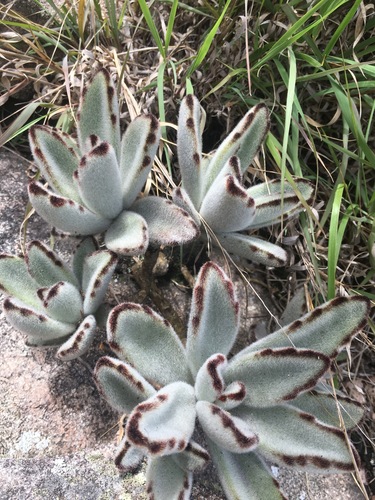
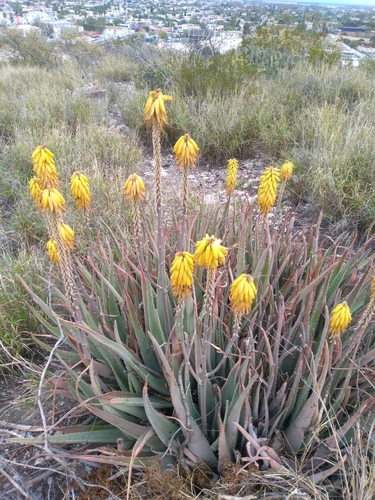
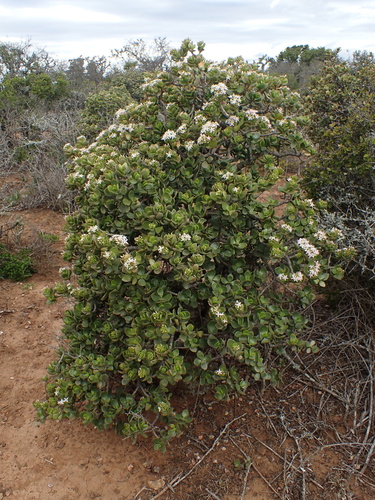
Powdery, fingerprint-prone leaves = farina (common in Echeveria). Soft hairs = tomentose types like Kalanchoe tomentosa (Panda Plant). Tough, toothed leaves point to Aloe vera; thicker, smooth leaves on a woody mini-tree suggest Crassula ovata (Jade Plant).
Know More: Succulent Surface Textures — Farina, Hairs & Toothed Leaves5) Quick photo checklist
- Top + side view to capture form (rosette/columnar/trailing).
- Close-up of leaf tips/edges and any spines or bands.
- Stem details (ribs, segments) and presence/absence of areoles.
- Any latex/sap when trimmed; note leaf fragility (e.g., Burro’s Tail).