Introduction
Succulents store water in leaves, stems, or roots—yet they come in many shapes. At home, you can identify them by leaf geometry (rosette vs. columnar vs. trailing), surface texture (glossy, powdery, spined), and special structures like areoles in cacti.
1) Rosette succulents (flat, layered leaves)
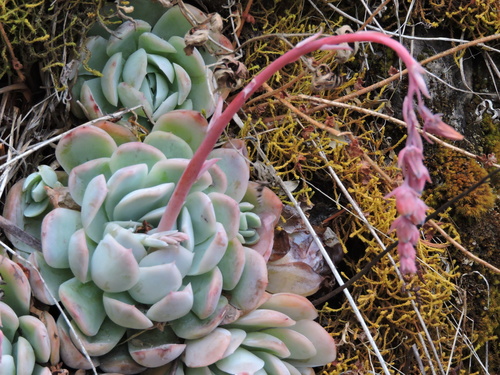
Rosettes look like geometric flowers. Common indoor genera include Echeveria (e.g., Echeveria elegans) with smooth, often powdery leaves, and Haworthiopsis fasciata (often known as Haworthia) with upright, V-shaped leaves and white transverse bands (“zebra”).
Know More: Identifying Rosette Succulents — Echeveria vs Haworthia2) Cactus or not? (areoles are the giveaway)
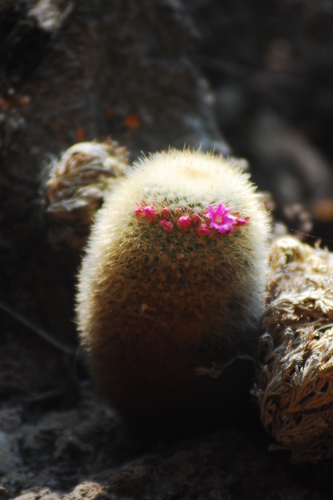
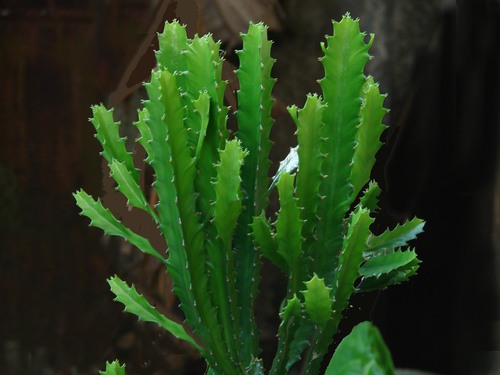
True cacti have areoles—tiny cushions where spines, glochids, or flowers emerge (e.g., Mammillaria spinosissima). Many Euphorbias (Euphorbia trigona) look cactus-like but lack areoles and exude milky sap when cut.
Know More: Cactus vs Euphorbia — Spotting Areoles & Safe Handling3) Trailing & string types
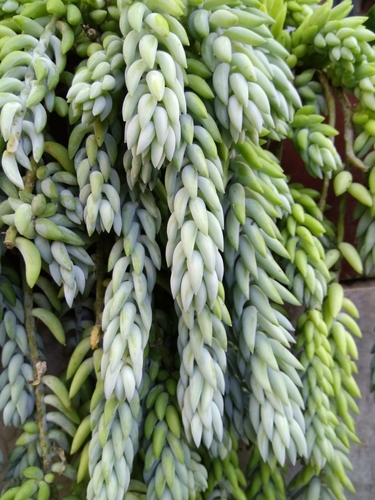
Trailing succulents drape from shelves and baskets. Examples include Sedum morganianum (Burro’s Tail) with beadlike leaves that detach easily, and Curio rowleyanus (String of Pearls; formerly Senecio rowleyanus) with spherical “pearls”.
Know More: Trailing Succulents — Burro’s Tail & String of Pearls (Quick ID)4) Windowed & translucent leaves
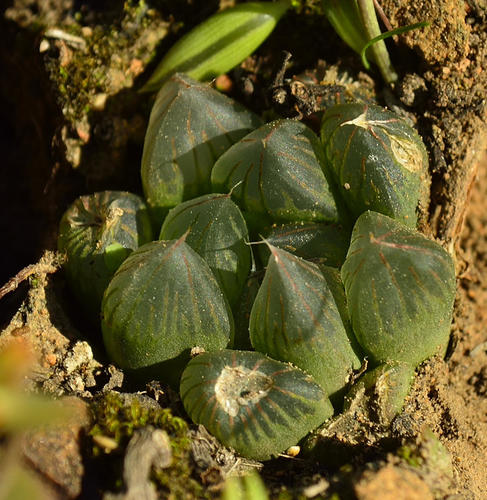
Some species show translucent “windows” that let light deep into the leaf—classic in Haworthia cooperi. These are usually small, clumping plants that prefer bright-indirect light over harsh sun.
Know More: Windowed Succulents — How to Recognize & Care5) Quick photo checklist for ID
- Top and side view of the plant (capture overall form).
- Close-up of leaf tips/edges and any spines or bands.
- Stem details (ribs, segments) and presence/absence of areoles.